

.png)
Dubai’s food story began long before skyscrapers and celebrity chefs. It was shaped by Bedouin survival cooking, trade routes that passed through Ottoman ports, and the steady arrival of cultures during the pearl-diving era that once powered the city.
As Deira’s souks grew into desert commerce hubs, simple halal street foods became the language of hospitality, quick to serve, rich in flavour, and built to feed traders, travellers, and families alike.
Today, with influences from more than 200 nationalities, Dubai’s most iconic dishes remain rooted in that same spirit, practical, generous, and meant to be shared.
At a Glance
Dubai’s culinary identity is a 24/7 intersection of Emirati tradition and a 200-nationality diaspora. From the historic souks of Deira to the high-design food trucks of the newer districts, the city’s essential flavours are characterised by a balance of spice and syrup, offering high-engagement street eats that remain accessible even within a landscape of luxury dining.
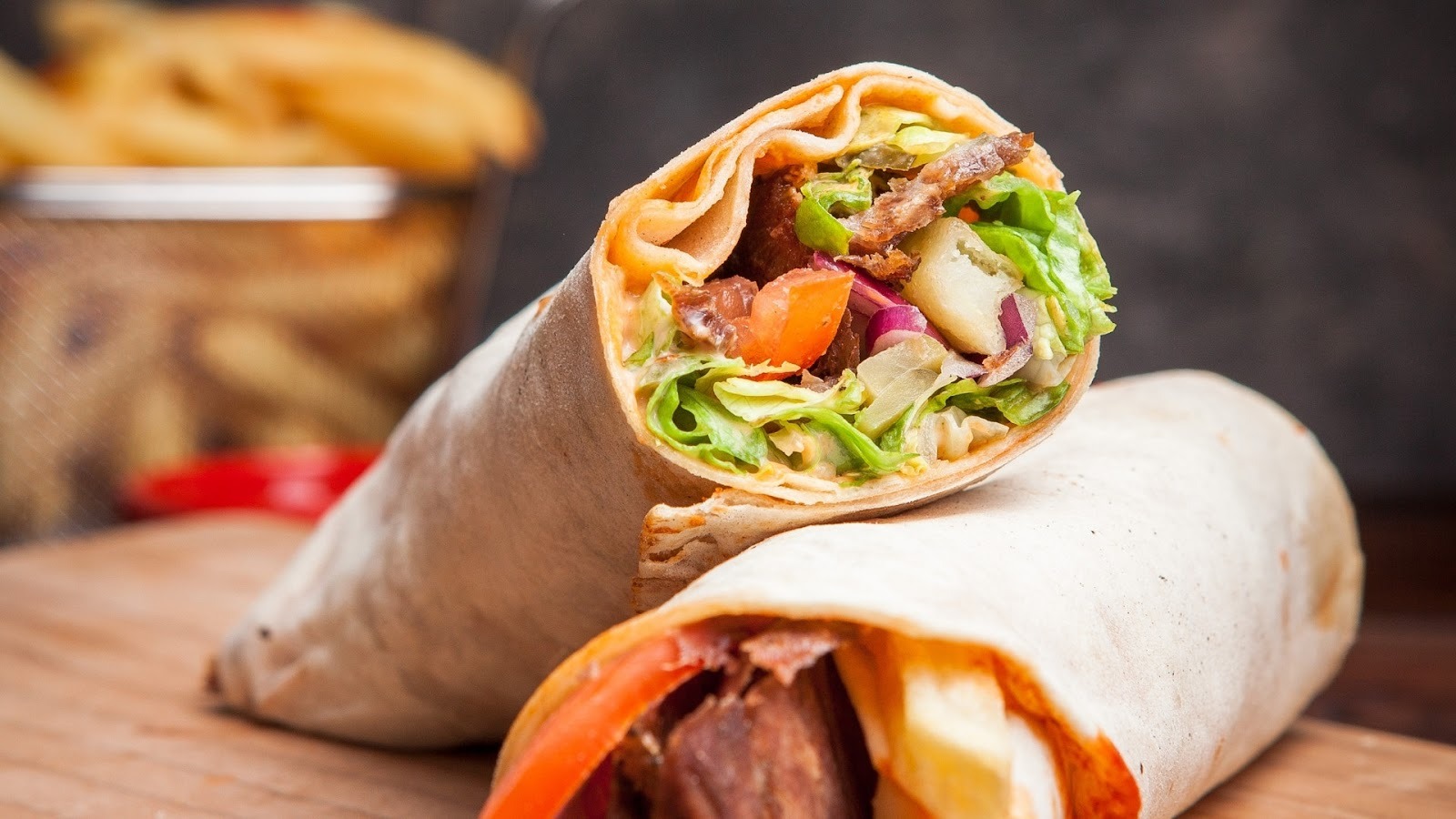
alt text: Shawarma
If you eat one thing on a Dubai street corner, make it shawarma. It is fast, affordable, and available nearly 24 hours a day across Satwa, Deira, and Karama.
The city’s gold standard is the Arabic-style Chicken Shawarma, distinguished by a 24-hour marinade of Greek yogurt, lemon zest, and a "Bezar" spice blend (saffron, cinnamon, and dried lime).
The best versions are shaved from the spit only when the exterior reaches a charred, caramelized state, then wrapped tightly in thin saj bread with an aggressive amount of toum (whipped garlic paste) and exactly three Lebanese pickles to balance the fat.
For those who like their food journeys to flow from street bites to refined tables, the season’s flavours often come together naturally across the city, especially during Festivals of Dubai.
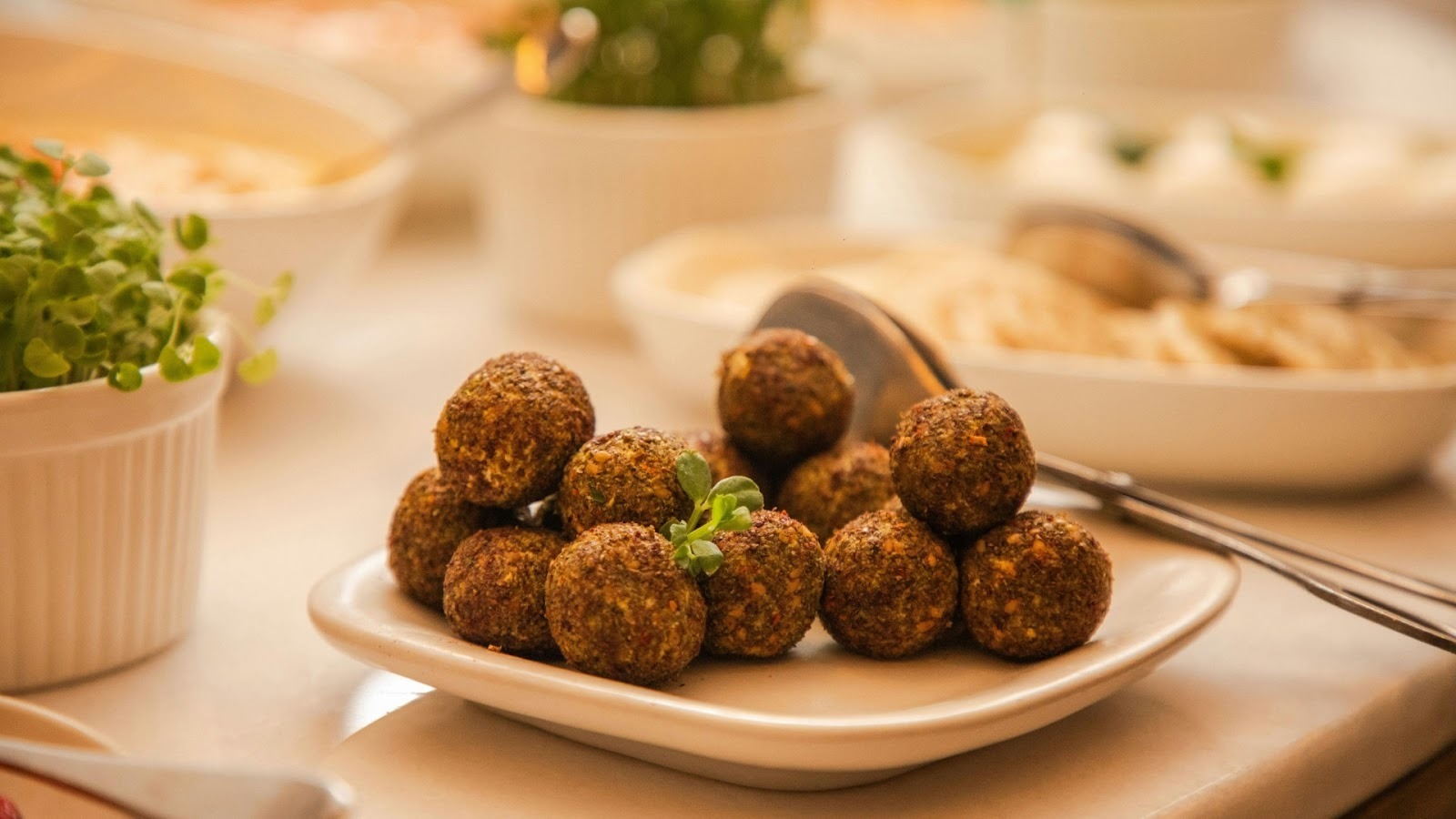
Alt text: Falafel
As the definitive vegetarian street king, these crispy chickpea fritters offer a texture-driven experience that is both filling and affordable.
The "Mahshi" (stuffed) variation remains the peak of Dubai’s street-side innovation. These are not simple chickpea balls; they are hand-molded with a core of sautéed onions, sumac, and shatta (chilli paste).
The dough is a coarse, vibrant green grind of soaked chickpeas, never canned, mixed with massive quantities of fresh parsley and coriander, then deep-fried until the exterior forms a mahogany-brown crust that shatters upon impact.
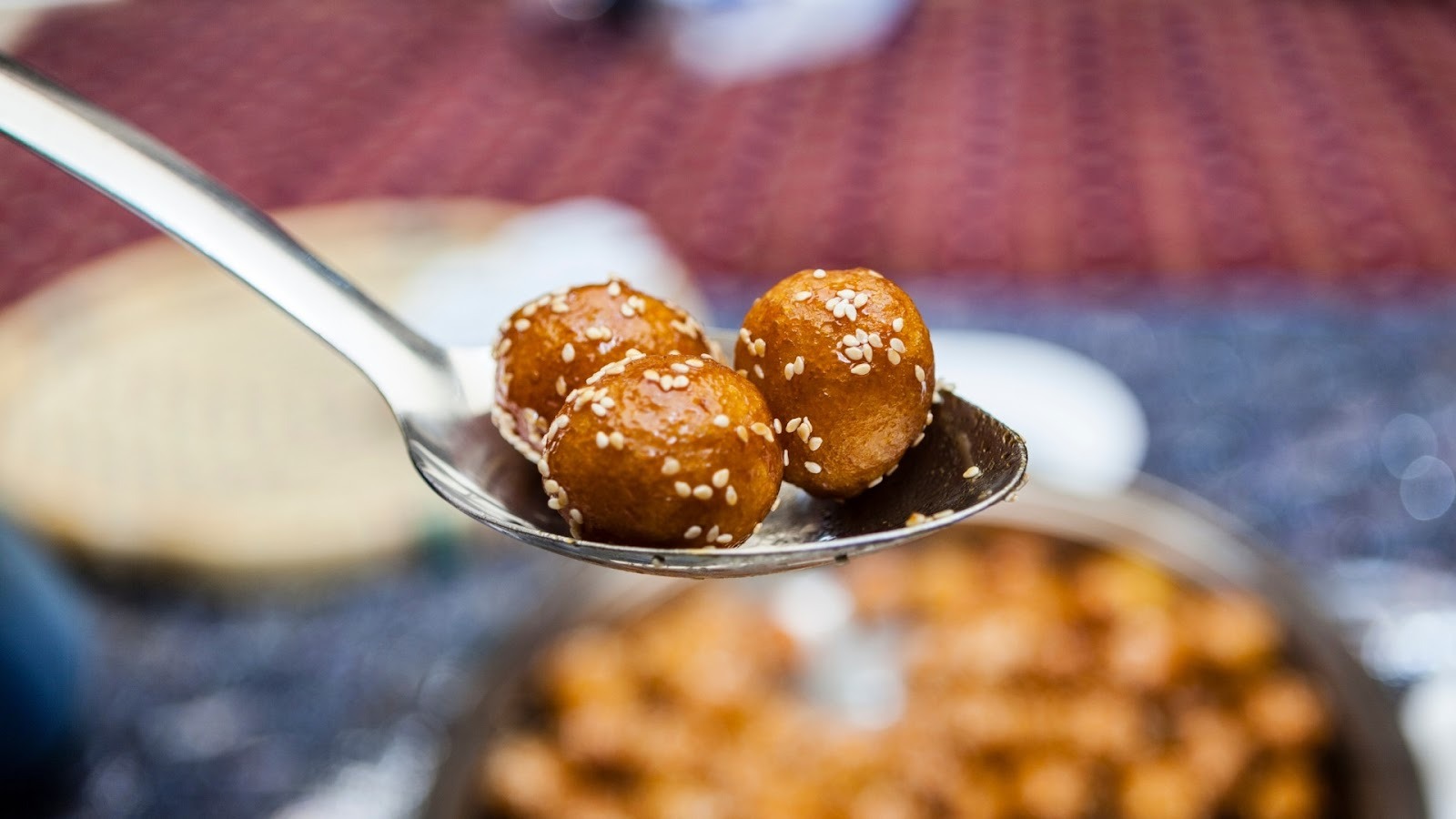
Alt text: Luqaimat
Experiencing the contrast between Dubai’s gold-dusted patisseries and its heritage sweets is best done through these golden, date-syrup-soaked dumplings.
The definitive Emirati version is the Saffron-Infused Date Syrup dumpling. The dough is fermented for at least three hours to achieve a hollow, airy center, then drop-fried into perfect spheres.
The best variation is double-fried for extra structural integrity before being drenched in warm dibs (date molasses) and toasted sesame seeds, creating a sensory contrast between the hot, elastic dough and the cool, sticky syrup.
Also read: Tables That Shape the Way Dubai Eats
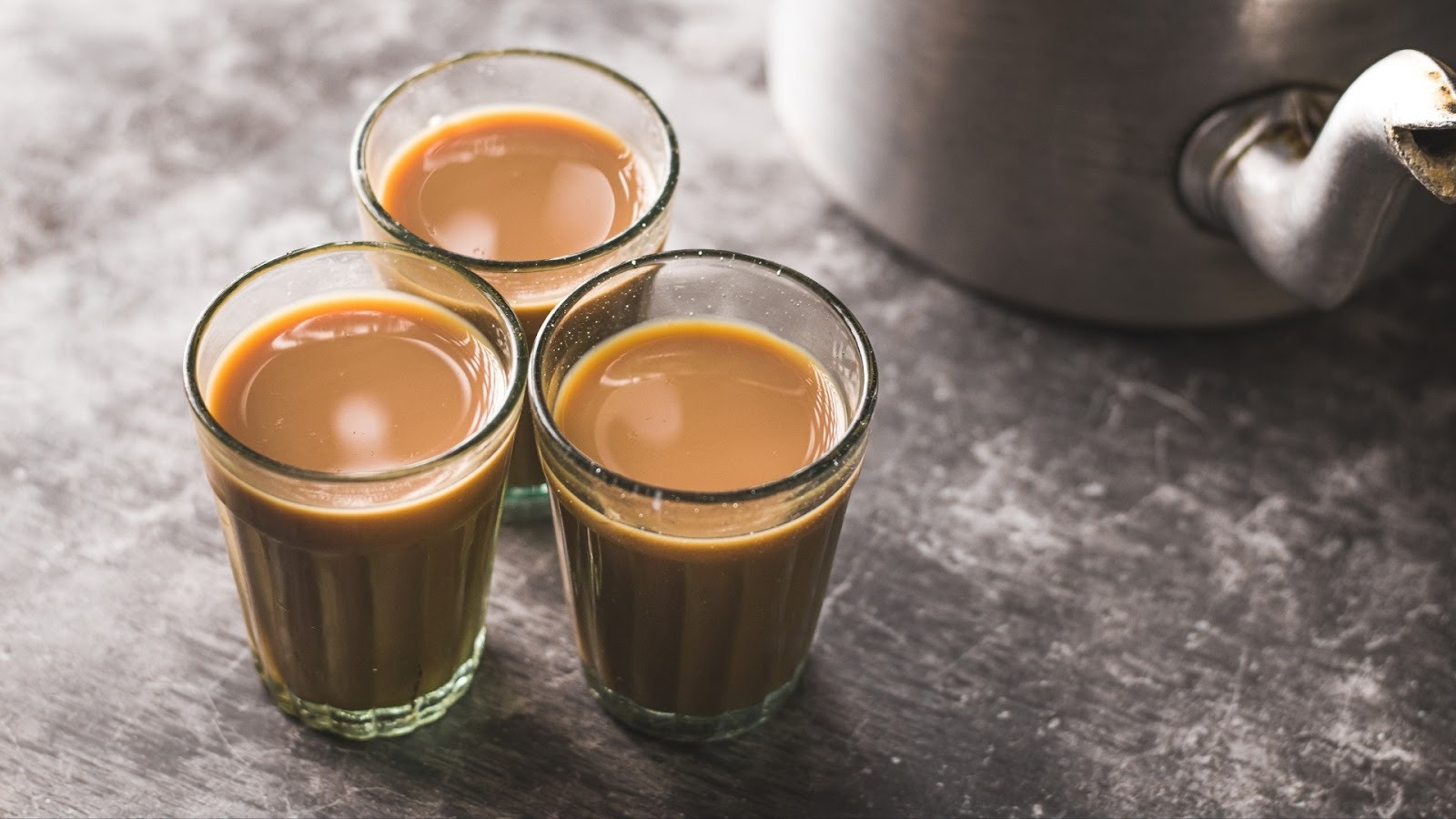
Alt text: Karak Chai
No drink defines everyday Dubai more than karak. Participating in the city’s most widespread 11 PM ritual involves finding a curbside spot for a cup of spiced milk tea.
While standard tea is common, the "Karak Adeni" variation found in Bur Dubai is the most sought-after. This involves simmering loose-leaf black tea with crushed cardamom, cloves, and ginger for a minimum of 20 minutes before adding evaporated milk.
The process is finished with a "pulling" technique, pouring the tea between two vessels from a height, to create a thick, frothy head and a concentrated, velvety texture.
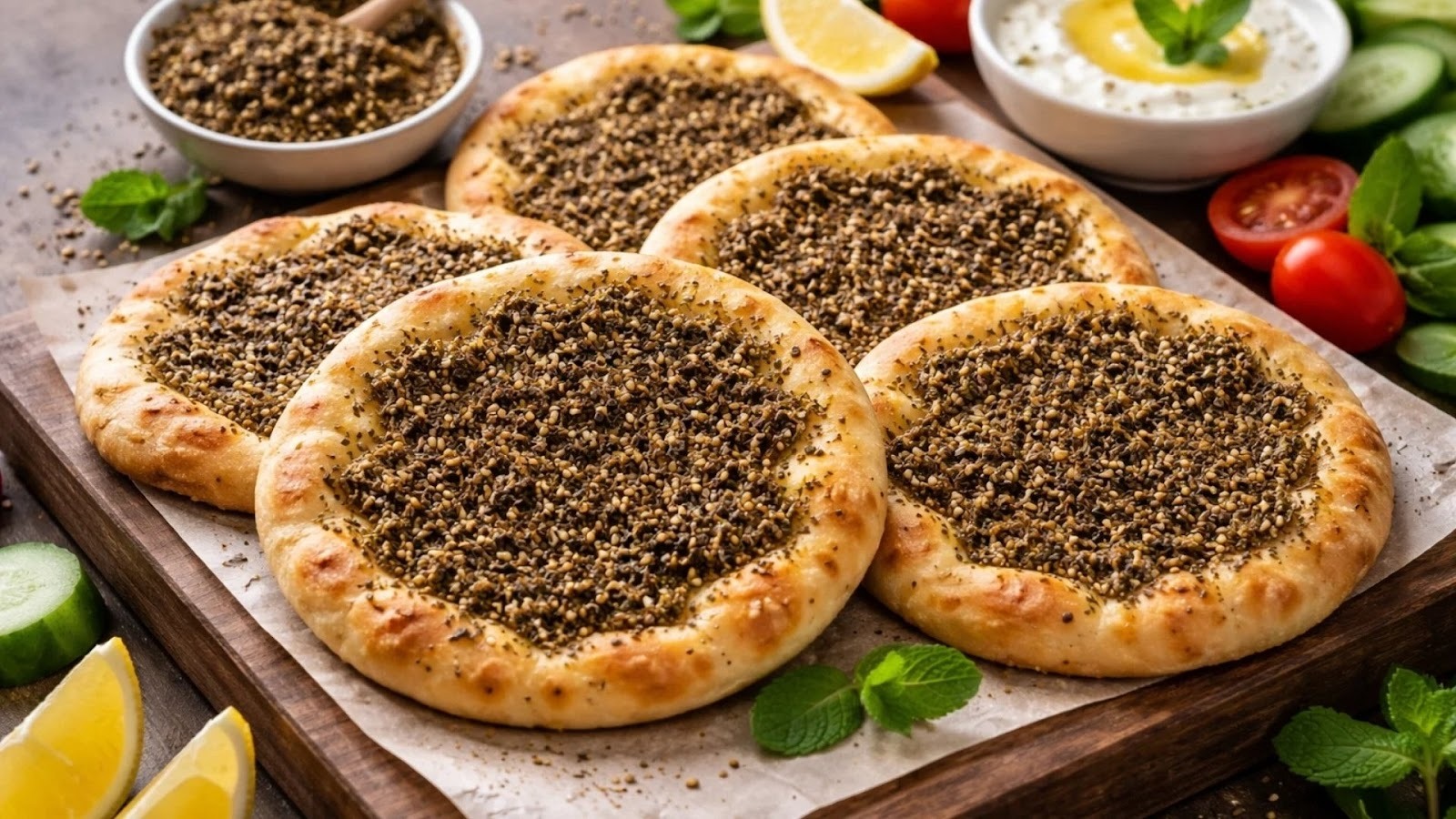
Alt text: Manakish
Often referred to as the "Arab pizza," this breakfast staple is the benchmark for Levantine bakery skills.
The "Cocktail" Manakish is the local favorite, featuring a half-and-half split of Za’atar and cheese. The best are baked in a furn (brick oven) at temperatures exceeding 400°C.
The cheese side uses a blend of salty Akkawi and stretchy Mozzarella, while the Za’atar side utilizes premium Palestinian olive oil and wild thyme, ensuring the dough remains soft and pillowy in the center with a blistered, cracker-thin base.
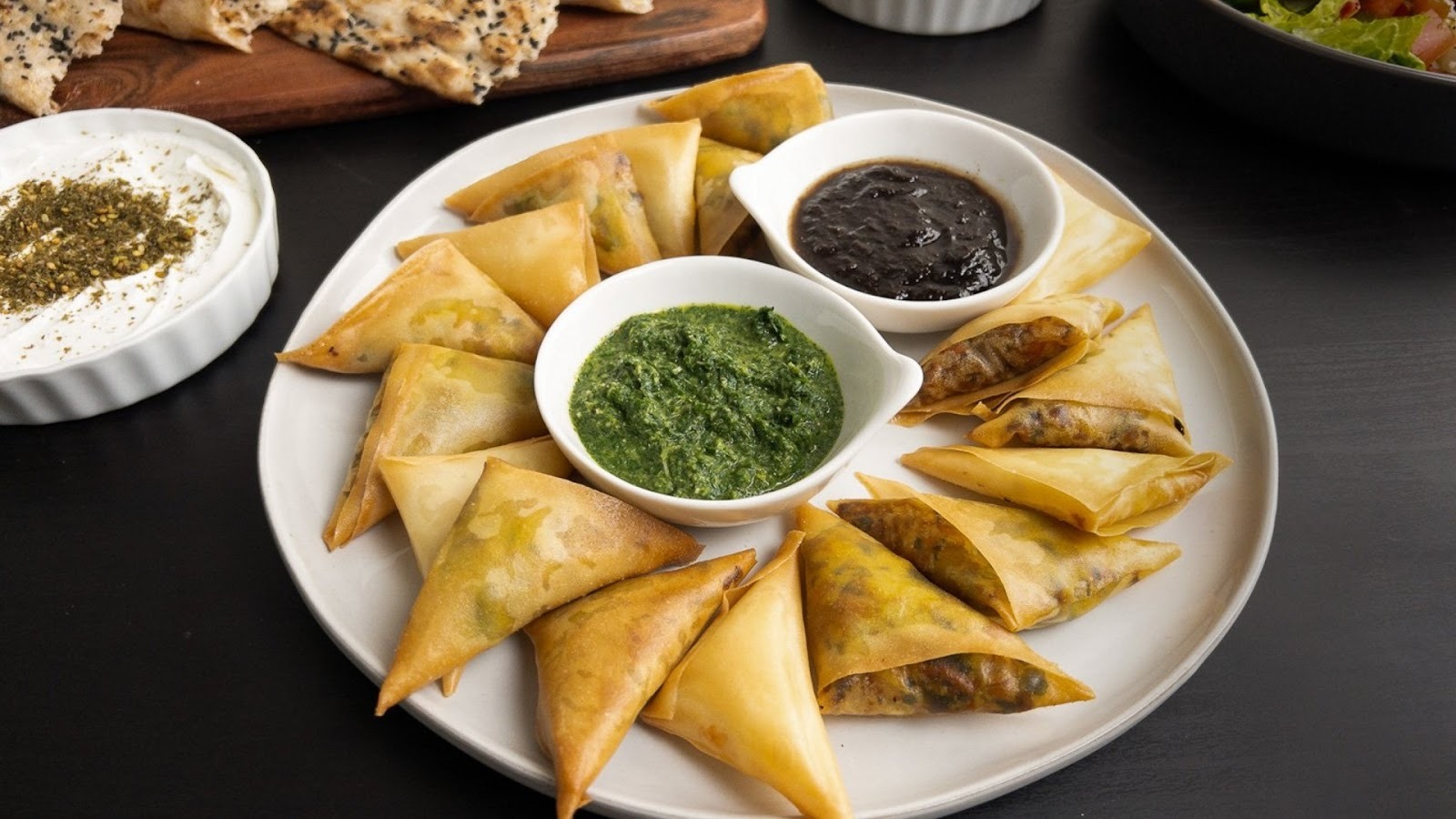
Alt text: Samboosa
Finding these flaky, cumin-forward pastries is easiest at the various Street Carts that line the alleyways of Deira’s souks.
The Emirati Meat Samboosa is defined by its ultra-thin, "spring roll" style pastry, which offers a lighter crunch than the doughy Indian samosa. The filling is a dry-fry of minced lamb seasoned with Bezar and turmeric, mixed with a high ratio of fresh scallions and cilantro.
The key to the best variation is the inclusion of "loomi" (dried lime) powder, which provides a sharp, citrusy undertone to the rich meat.
Also read: New Year’s Day Brunches in Dubai Worth Waking Up For
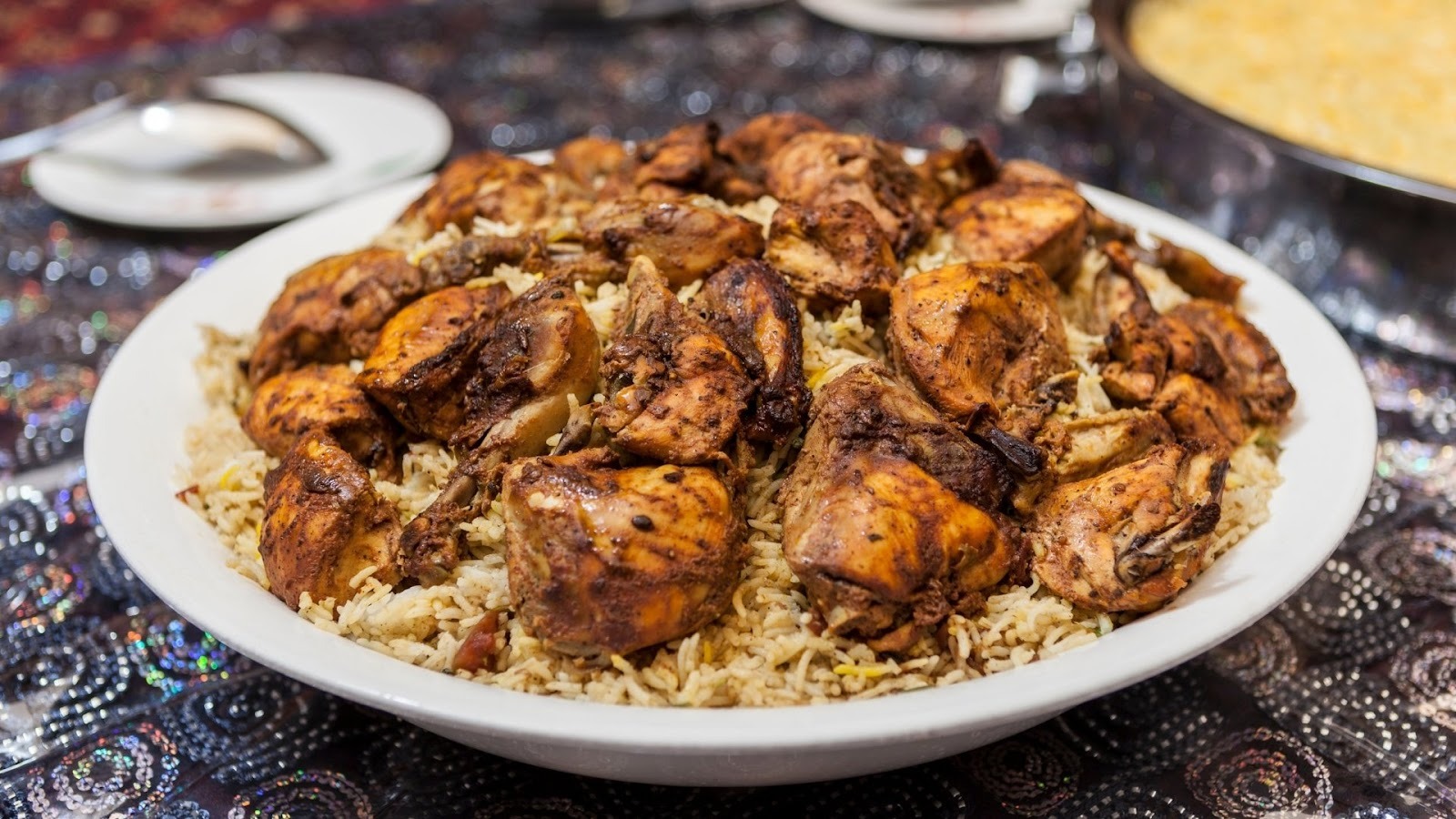
Alt text: Machboos
For an immersion into Emirati home-cooking, this aromatic rice and meat dish is a non-negotiable order.
The Chicken Machboos "Fogga" is the most authentic variation, where the meat is first boiled in a spice-heavy broth of cardamom, cinnamon, and whole cloves, then removed and roasted in the oven to crisp the skin.
The long-grain Basmati rice is then cooked in that same concentrated chicken stock with pierced dried black limes, ensuring every grain is saturated with deep, earthy aromatics.
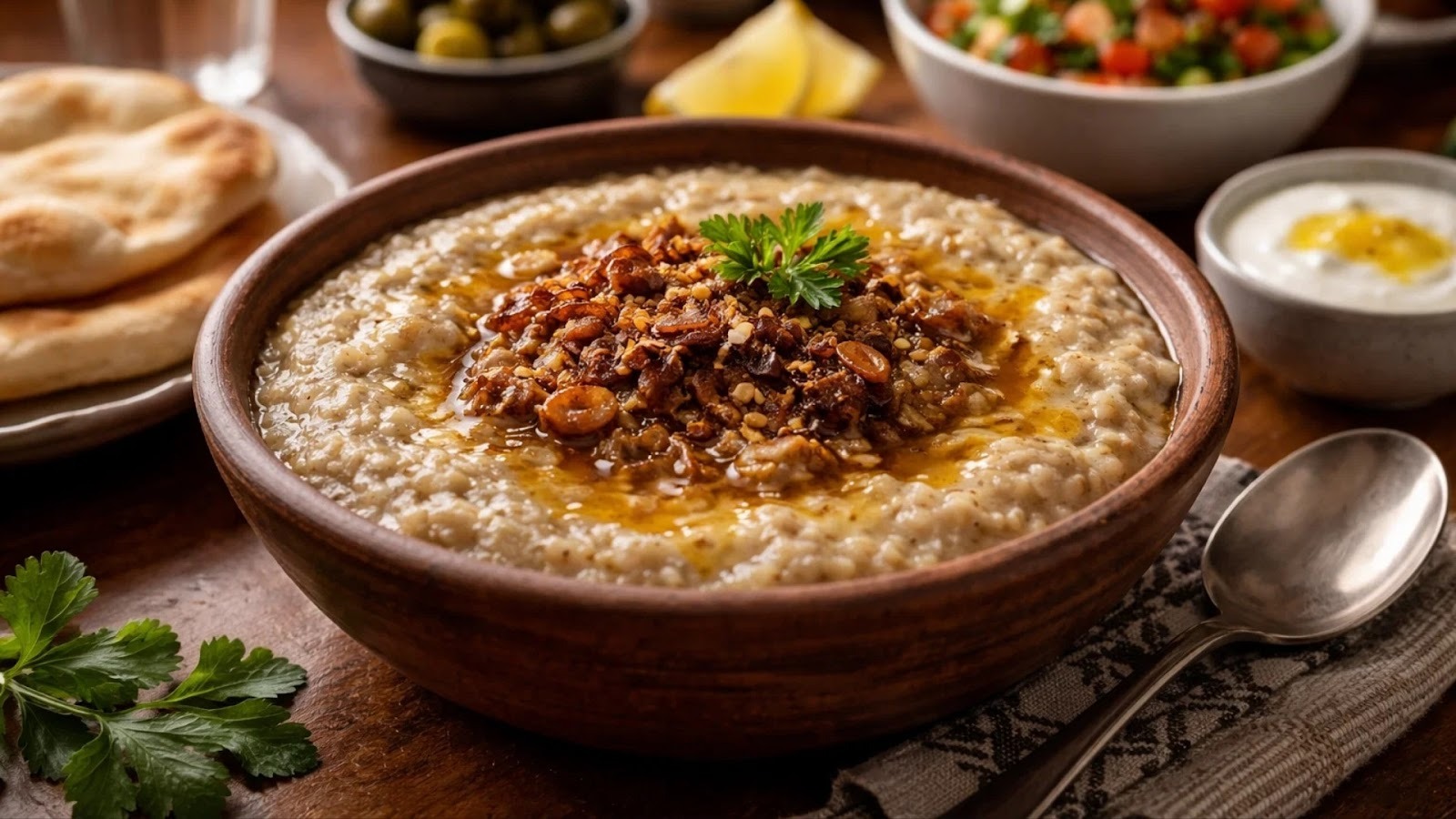
Alt text:Harees
This slow-cooked wheat and meat porridge represents a deep-seated tradition, particularly during Ramadan and festive periods.
The traditional Mutton Harees is a labor-intensive "mash" that involves soaking high-quality whole wheat overnight and slow-cooking it with bone-in mutton for six hours.
The best variation is "beaten" manually with a wooden paddle (madraba) until the gluten from the wheat and the fibers of the meat merge into a smooth, elastic porridge, finished only with a pool of melted local ghee (smen).
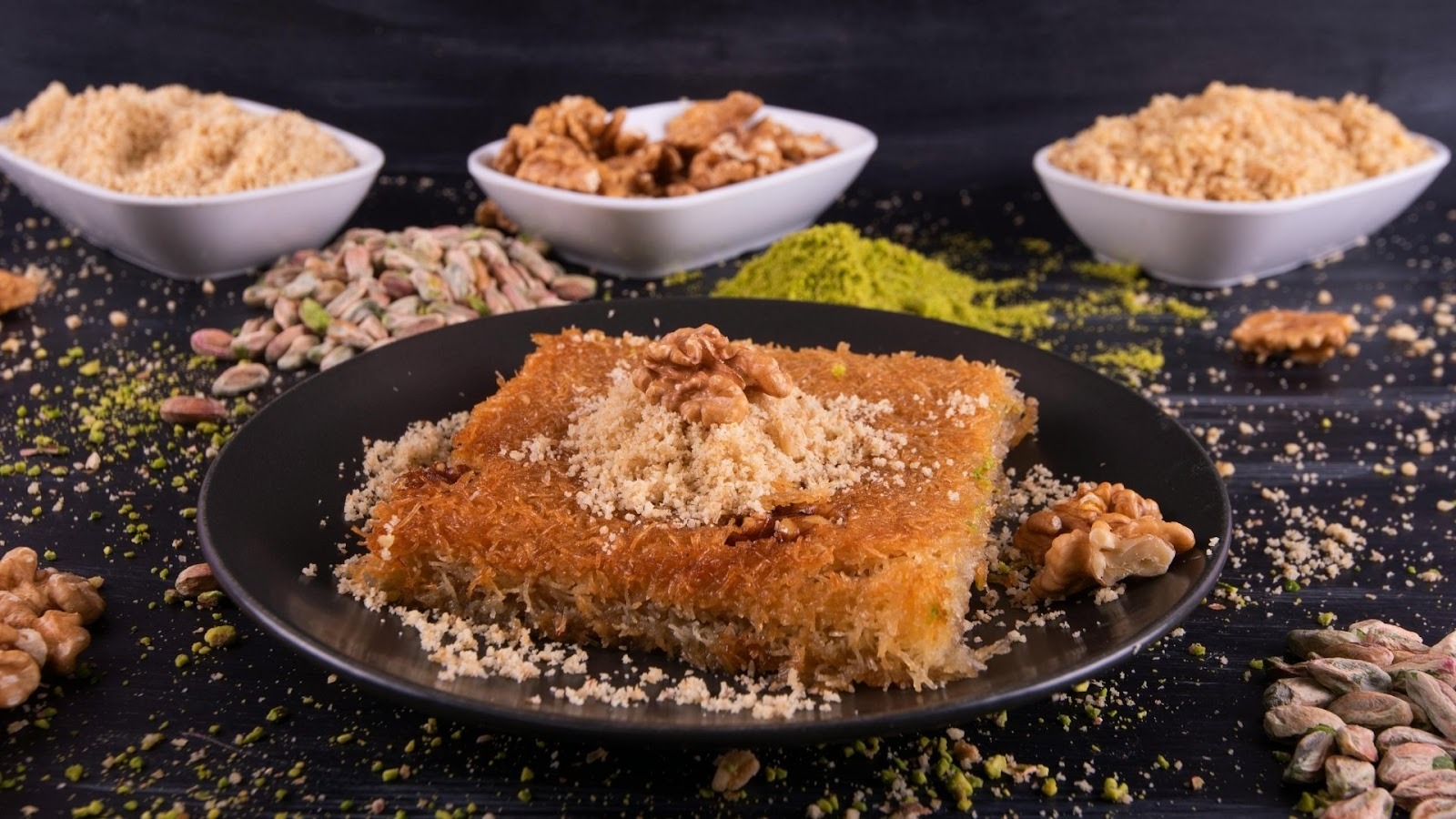
Alt text: Knafeh
The search for a gooey-sweet finale often leads to the Levantine dessert specialists who master the balance of cheese and syrup.
The "Khishneh" (Coarse) Knafeh is the Dubai favorite for its texture. It features a base of Nabulsi cheese, soaked in water to remove the salt, topped with a layer of butter-toasted kataifi (shredded phyllo).
The variation is defined by its orange-tinted, crunchy exterior, which is doused in cold rosewater syrup immediately after leaving the oven to ensure the cheese remains molten while the pastry stays crisp.
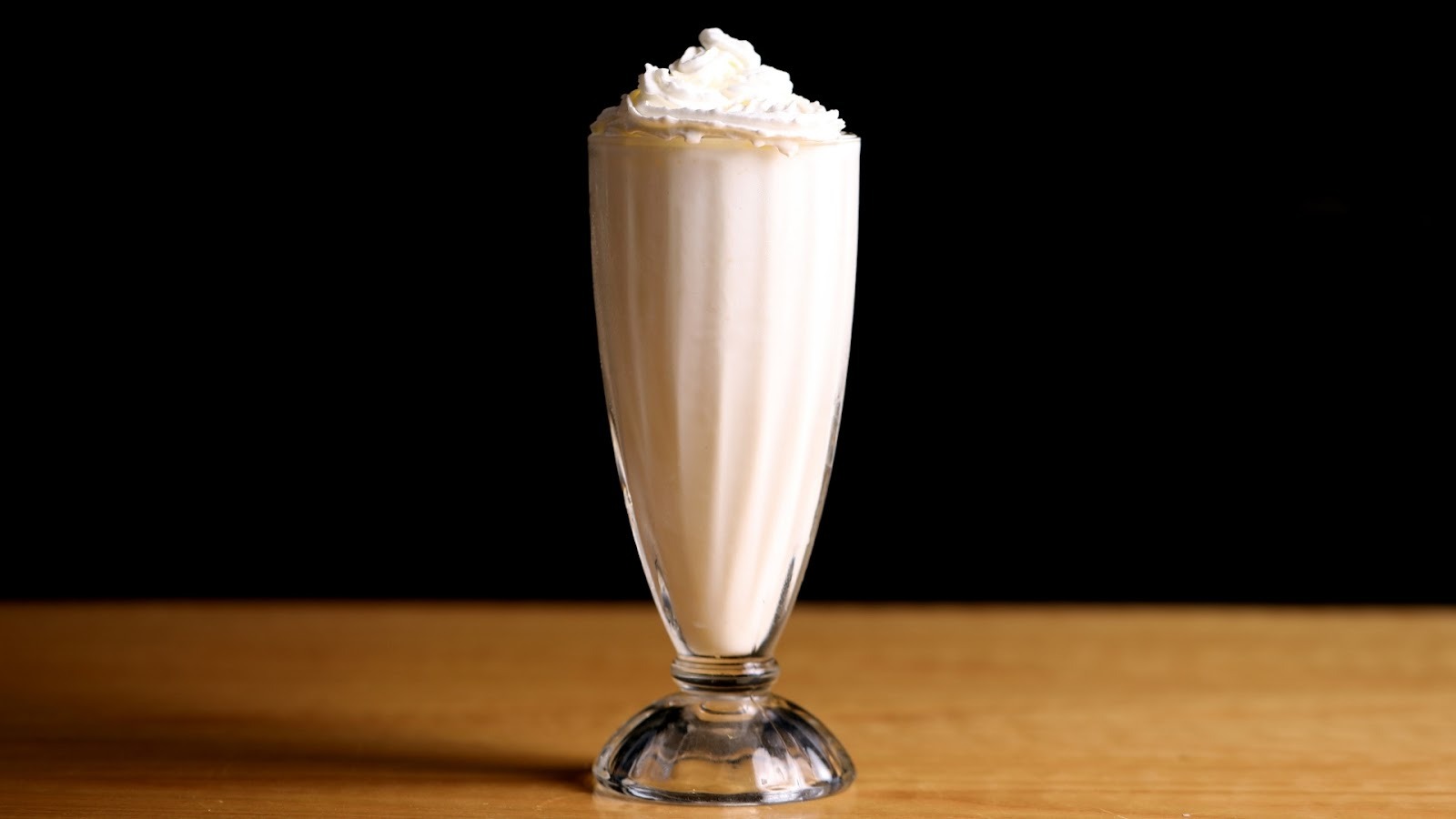
Alt text: Camel Milkshake
Trying a modern twist on a desert staple has become a popular activity within the city’s Mall-based kiosks and desert camps.
The Date and Camel Milkshake is the quintessential modern-Emirati variation. It uses fresh, unpasteurized camel milk, known for its naturally salty, mineral-rich profile, blended with premium Medjool dates and a touch of vanilla bean.
The best versions avoid heavy ice creams, relying instead on the high protein content of the camel milk to create a naturally thick, frothy consistency that is both nutritious and indulgent.
After tasting your way through the city’s street legends, settling into a table at DOORS Dubai offers a natural next chapter, where bold flavours meet a more refined plate without losing the spirit of Dubai’s food culture.
Dubai’s most loved foods were never designed to impress; they were built to sustain, travel well, and bring people together. From souk counters to neighbourhood cafés, each dish carries layers of trade history, migration, and everyday life that still shape how the city eats today. What began as survival cooking has quietly become one of Dubai’s richest cultural signatures.
That same spirit of generosity now lives in places that elevate flavour without losing its soul. At DOORS Dubai, the offers and celebration sets, including the Express Wagyu Experience and shared brunch menus, translate comfort into something more refined while keeping the focus on value and togetherness.
For those who enjoy ending a food journey where atmosphere matches the meal, letting a table by the fountain anchor the experience often feels like the natural next chapter rather than a plan.
1. Is Dubai street food generally safe to eat for visitors?
Yes. Dubai has strict food safety regulations, and most street vendors and small eateries operate under regular municipal inspections. Hygiene ratings are displayed at many locations, and halal standards are widely enforced.
2. Are most traditional Dubai street foods halal by default?
Yes. The vast majority of everyday street food in Dubai is halal, including shawarma, falafel, samboosa, rice dishes, and desserts. Non-halal food is usually clearly labelled and limited to specific restaurants.
3. Can vegetarians eat easily from Dubai’s street food scene?
Absolutely. Falafel, manakish with za’atar or cheese, luqaimat, karak chai, and many sweets are vegetarian, with vegan options becoming increasingly common across souks and cafés.
4. Where are the best areas to explore authentic street food in one walk?
Deira, Bur Dubai, Satwa, and Karama remain the strongest clusters for traditional, affordable street eats, with dense concentrations of bakeries, tea stalls, dessert shops, and small grills.
5. Do these traditional foods stay popular with younger generations in Dubai?
Yes. Despite the growth of fine dining and global chains, classic street foods remain part of daily life, with many spots busy late into the night, especially for shawarma, karak tea, and desserts.
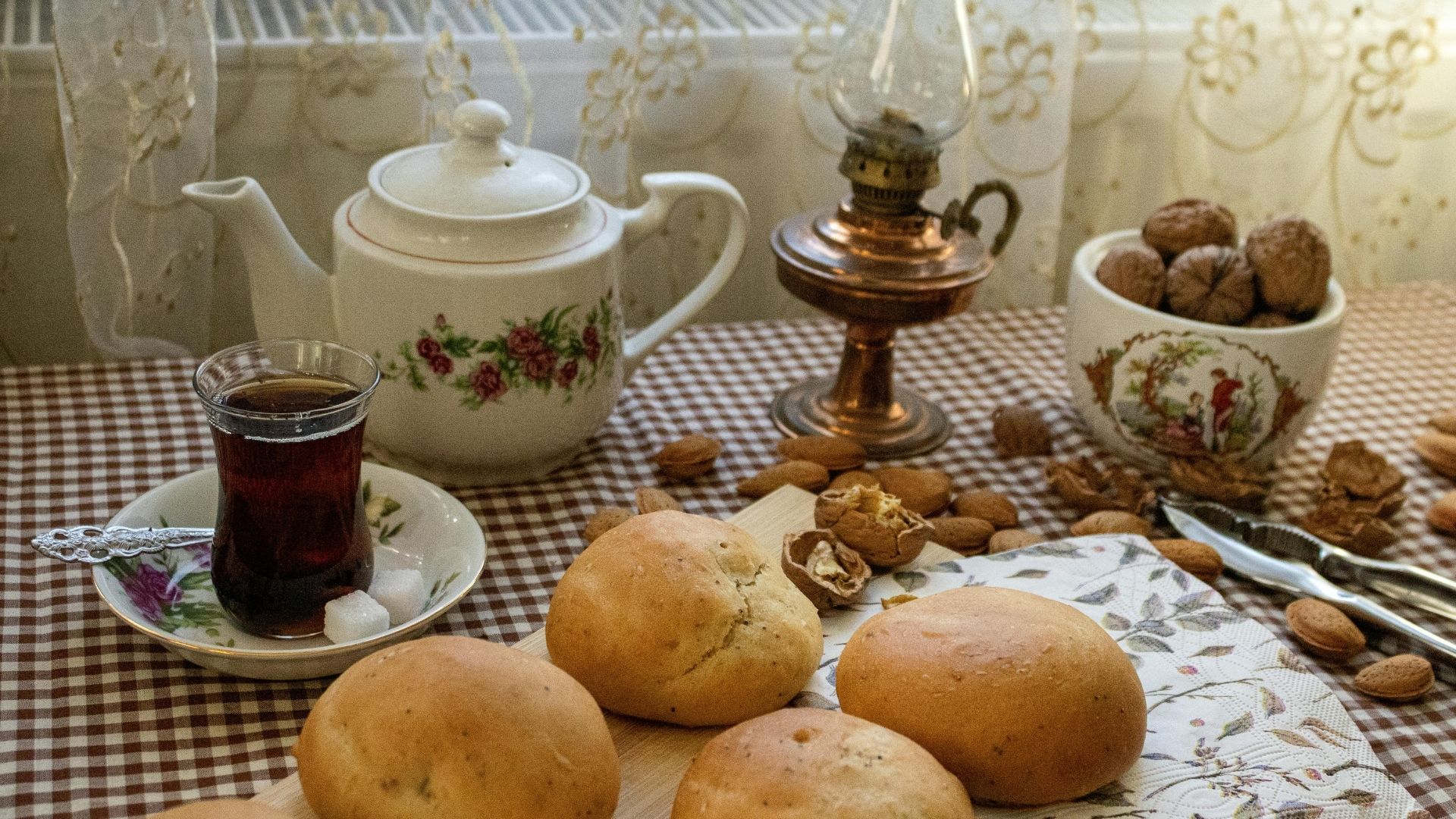
Discover the best afternoon tea Dubai has to offer from luxury hotels to waterfront lounges with elegant menus, skyline views, and refined bites.
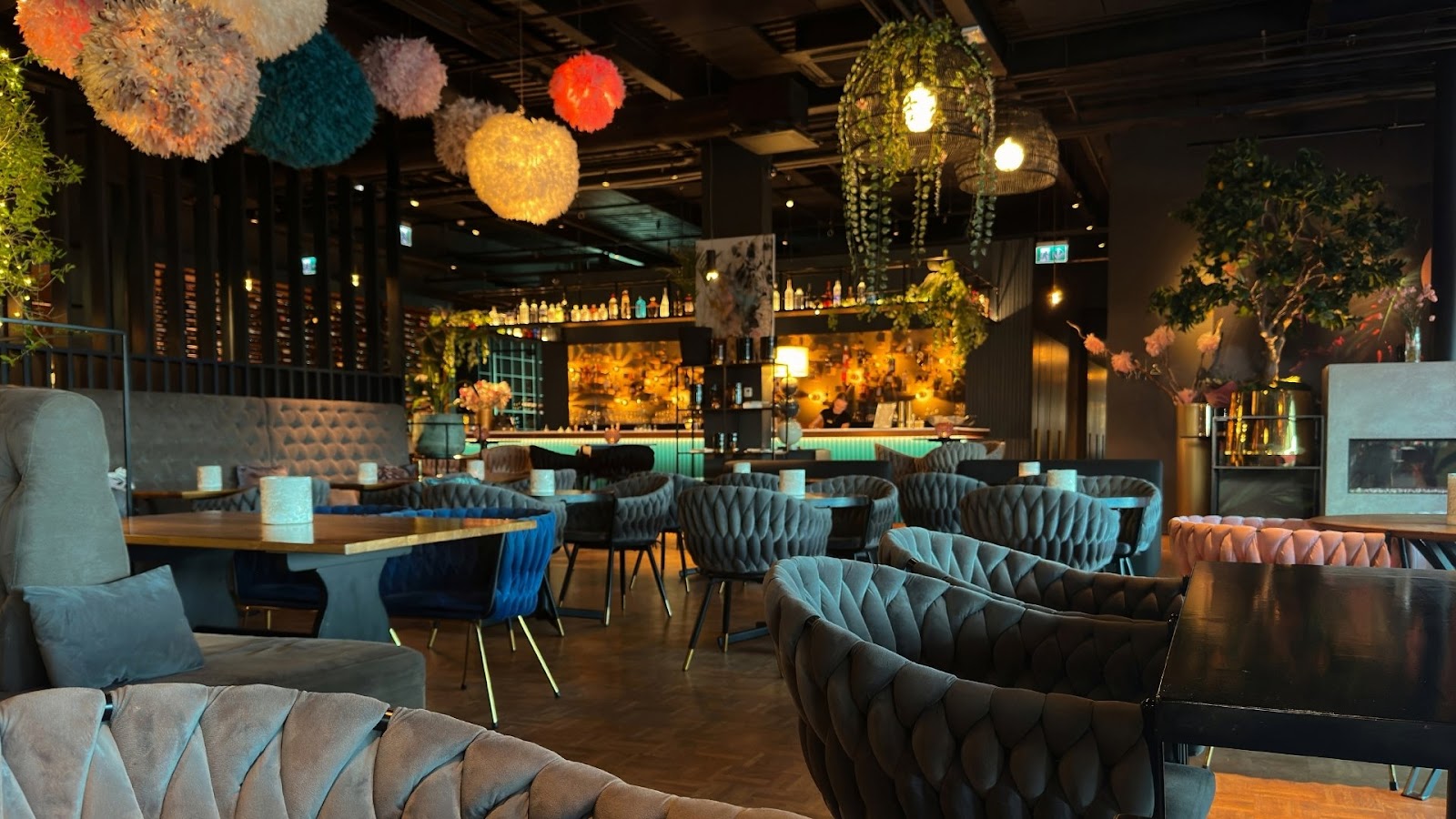
Explore this curated guide to the best fine dining restaurants in Dubai focused on setting service and seasonal dining experiences!


.svg)