
.png)
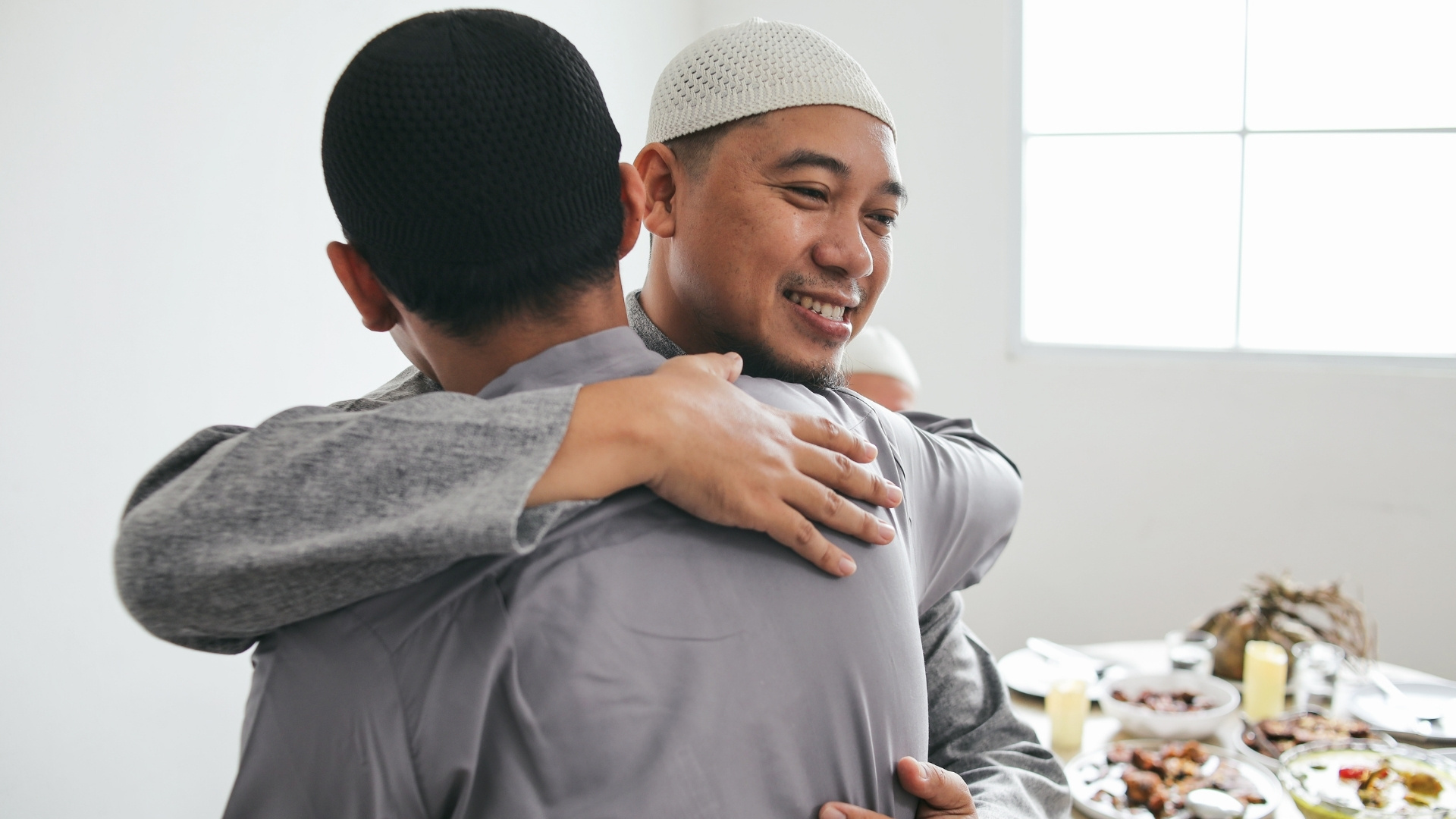
Even the most meaningful celebrations can feel quietly disconnected in a city that moves as quickly as Dubai. Eid al-Fitr in 2026 is expected to fall between Friday, March 20 and Sunday, March 22, closing the month of Ramadan with prayer, pause, and gathering.
Yet the days leading up to it often blur into a familiar routine; calendars filling fast, offers stacking up, celebrations reduced to reservations rather than reflection. What should feel intentional can begin to feel hurried, commercialised, and oddly distant from its purpose.
Then comes the moment when the pace softens. Early hours carry the scent of oud lingering after prayer, the warmth of freshly poured coffee cupped in the hand, the gentle weight of dates placed with care.
These sensory details anchor the day, restoring a sense of presence that the city often rushes past. Such a balance is never accidental. A memorable Eid depends on choosing the right setting, the right company, and spaces that respect calm as much as celebration; until time, flavour, and place finally align.
At a Glance:

Eid al-Fitr translates to the "festival of breaking the fast," marking the start of Shawwal in the Islamic calendar. After a month shaped by restraint, worship, and giving, the day begins with congregational Eid prayers.
In Dubai, the sermons return to themes of gratitude and responsibility. At the heart of this morning is Zakat al-Fitr, a mandatory act of charity given before prayers to ensure every member of the community can join the festivities.
In Dubai, these values become visible through rituals repeated across neighbourhoods. The city undergoes a cultural reset: public parking is often free, metro hours extend, and malls like the Dubai Mall and the Mall of the Emirates are draped in festive lights.
It is a time when the city's pace softens, and people step out in their finest new "Eid clothes" to visit family and friends.
Away from the grand events, Eid is also found in the small gestures:
These quiet traditions give shape to Dubai’s larger celebrations. Discover how the city carries this spirit across its most iconic festivals and events with Festivals of Dubai.
As night falls, the celebration moves to the sky. While the dates are subject to the moon sighting, expectations for 2026 include dazzling fireworks at Bluewaters Island, Dubai Festival City, and Al Seef.
These displays serve as a collective exhale, framing the transition from the internal reflection of Ramadan to the holiday's external joy.
Moments like these reveal how the city adapts to its people and their traditions. To explore how everyday life in Dubai shifts with its seasons and celebrations, read The Joy of Living in Dubai.
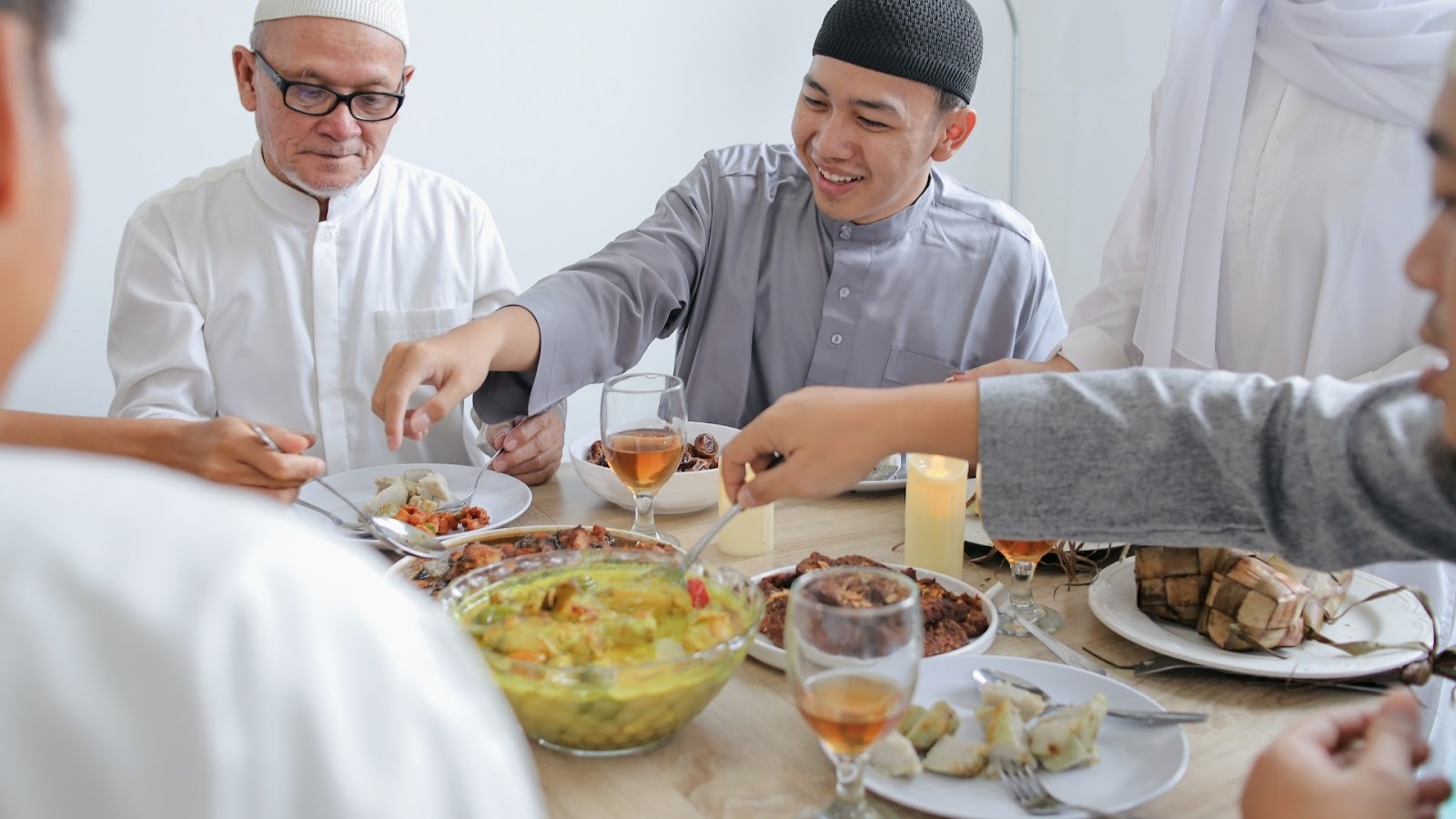
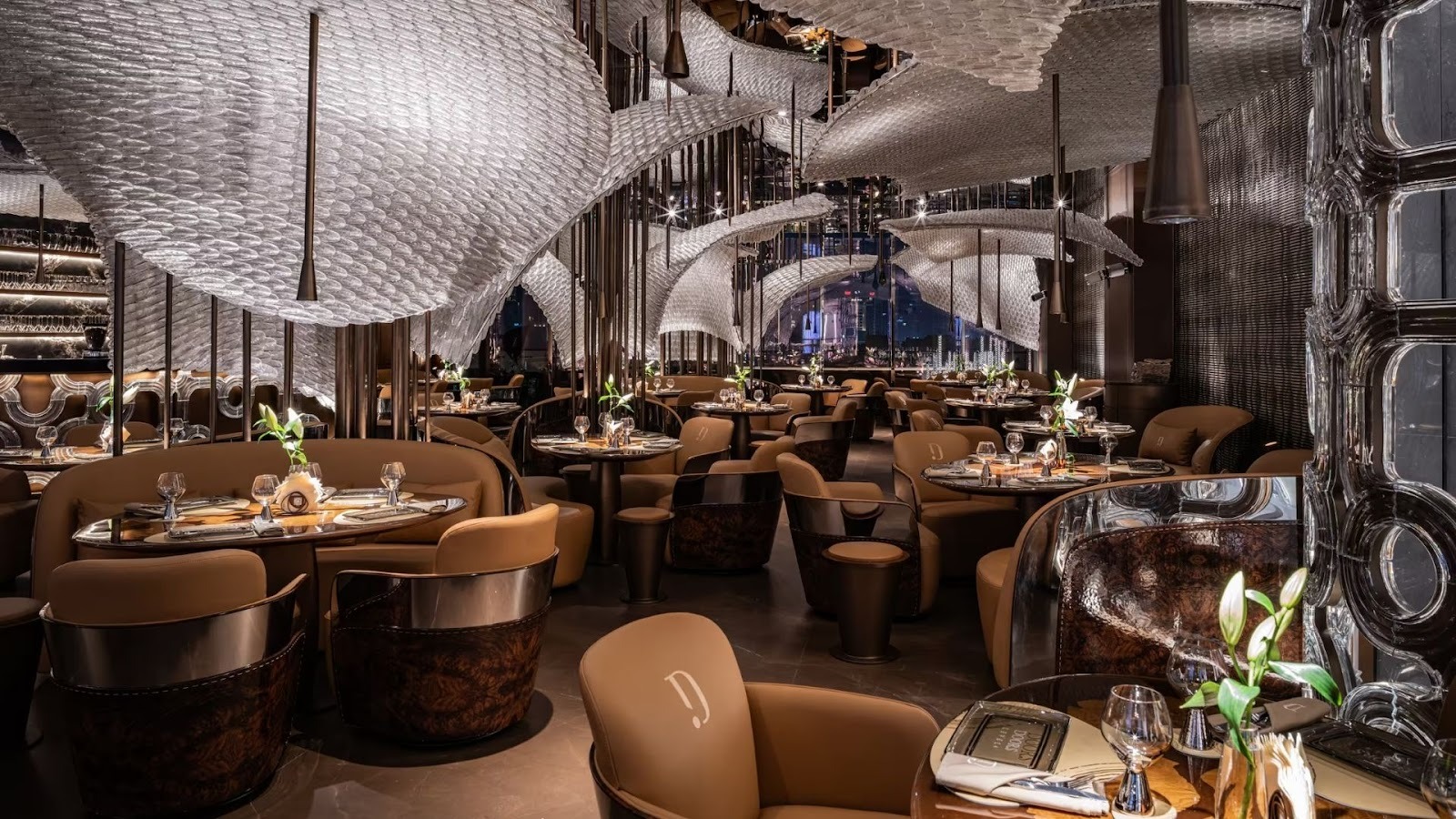
The heart of Eid is the shared table, and in Dubai, the most memorable gatherings often centre around the ritual of the grill. The smoky aroma of meat over an open flame is a universal language of hospitality, and one destination that elevates this into high-art performance is DOORS Dubai.
Located in the Fashion Avenue expansion on Level 4, DOORS provides what many consider the highest and most prestigious vantage point in the mall.
From its outdoor terrace, you aren't just watching the Dubai Fountain and Burj Khalifa; you are experiencing them from an aerial, panoramic perspective that captures the full choreography of the water and the sheer scale of the tower.
Orchestrated by the internationally acclaimed Chef Kemal Çeylan, the menu features an enticing array of traditional dishes with a modern twist. For those who prioritise the art of grilling, DOORS offers an experience that is pure theater:
After the table is cleared, the celebration often moves toward quieter spaces that reflect the city’s cultural depth. For a different perspective on how Dubai balances gathering with reflection, read the Guide to Mohammed Bin Rashid Library in Dubai.
Eid al-Fitr marks the close of Ramadan and a return to shared time with family and friends. After weeks shaped by routine and restraint, the celebration brings people back to the table; often for longer meals, quieter conversations, and gatherings that unfold without a fixed schedule.
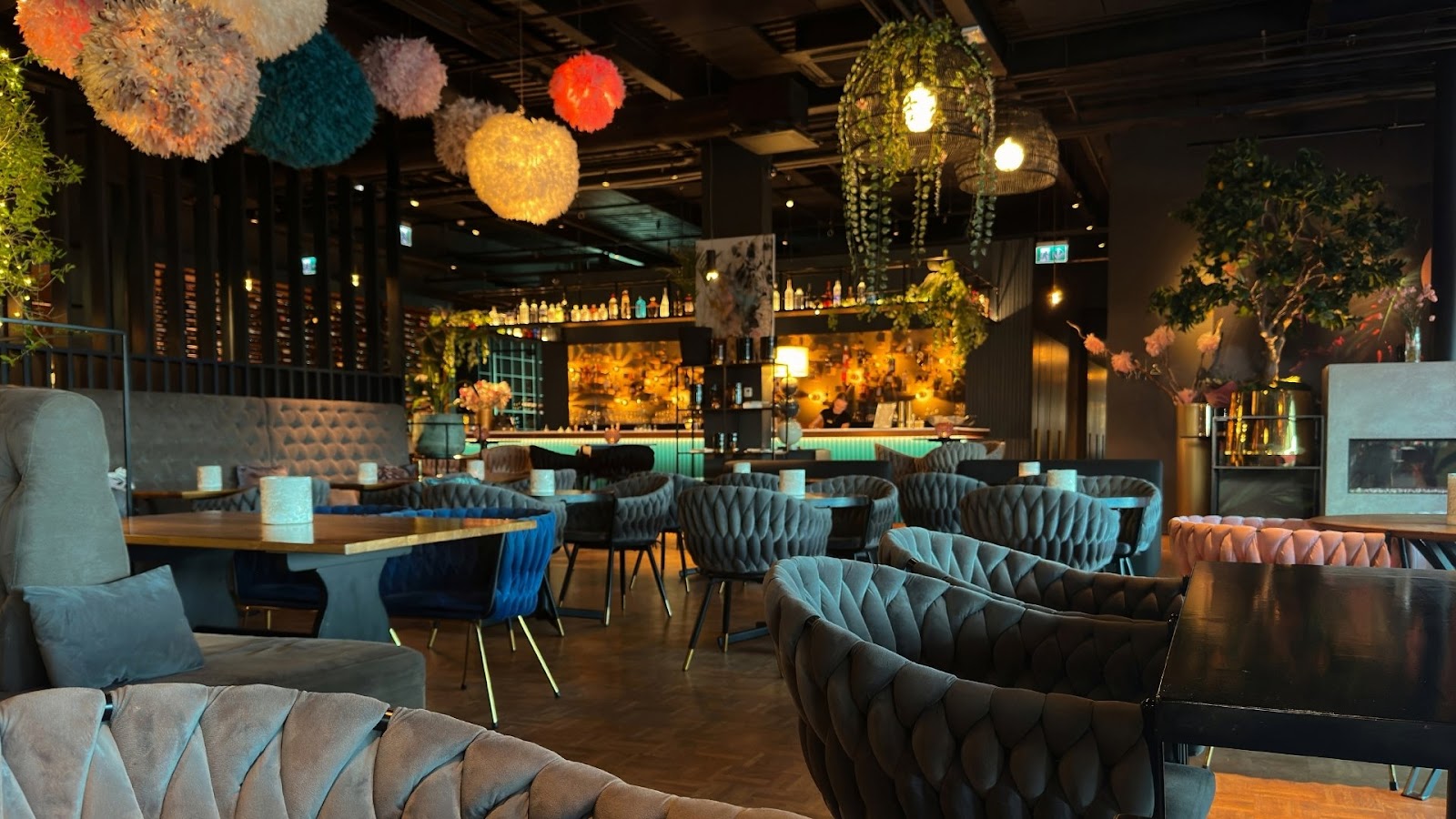
A well-chosen table becomes a practical centre for the day, supporting both conversation and comfort. Venues like DOORS Dubai provide this balance through thoughtful service, considered pacing, and a setting designed for groups rather than quick turnover.
Whether celebrating with family or close friends, the table is prepared, the view is steady, and the occasion is given room to settle.
Eid al-Fitr in Dubai is expected to fall between Friday, 20 March and Sunday, 22 March, 2026, subject to the official moon sighting announced by UAE authorities.
Eid al-Fitr marks the end of Ramadan and the beginning of Shawwal. It signifies the completion of a month of fasting, prayer, charity, and reflection.
Traditions include Eid prayers at mosques, giving Zakat al-Fitr, family visits, sharing festive meals, gifting Eidiya to children, and enjoying traditional sweets such as luqaimat and maamoul.
Dubai observes Eid with extended public holidays, festive decorations across malls and public spaces, cultural events, and evening fireworks at locations like Bluewaters Island and Dubai Festival City.
Yes. Eid al-Fitr is traditionally centred around shared meals, making it a popular time for families and friends to gather at restaurants that offer group-friendly seating and relaxed dining experiences.
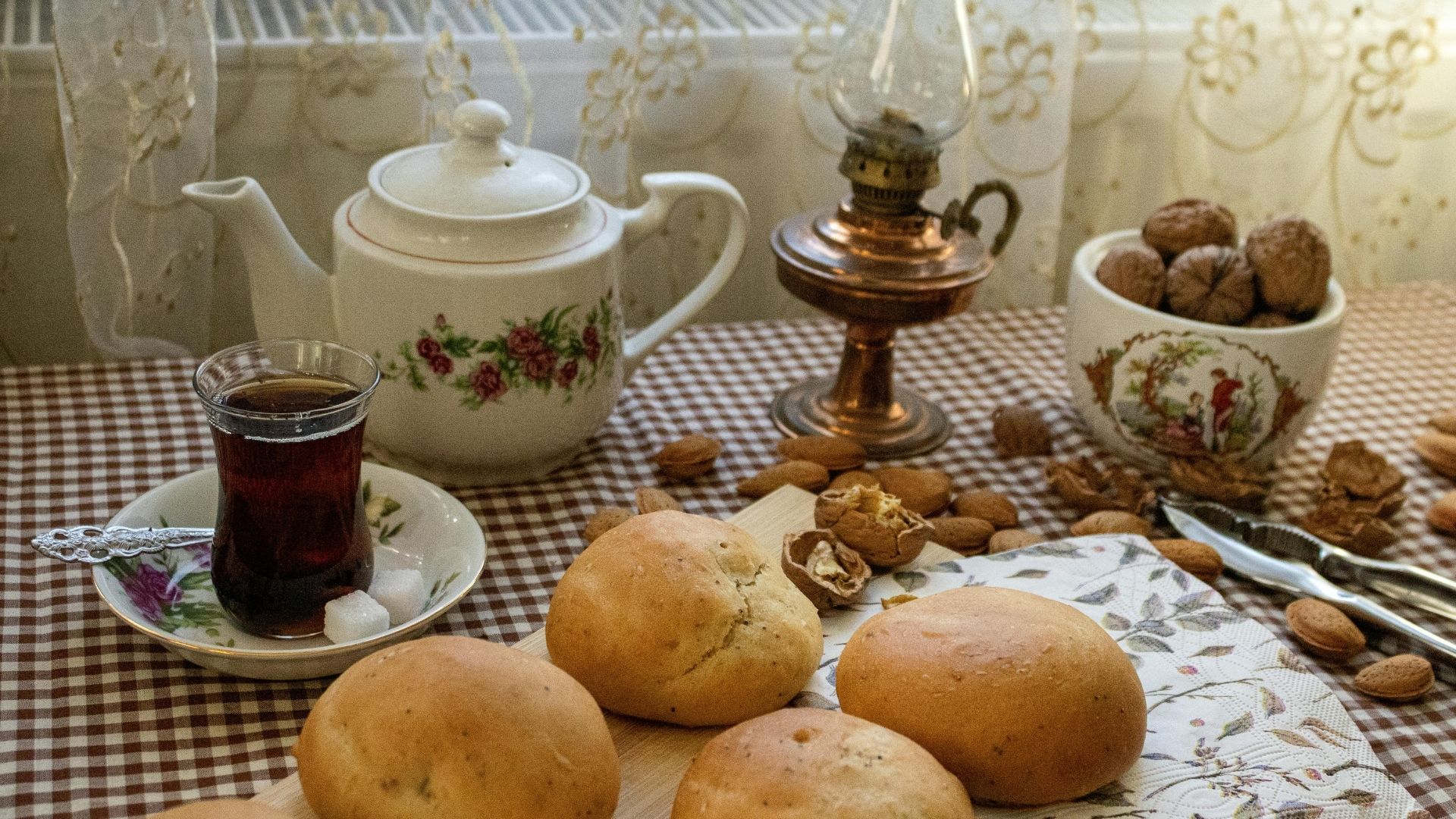
Discover the best afternoon tea Dubai has to offer from luxury hotels to waterfront lounges with elegant menus, skyline views, and refined bites.
Explore this curated guide to the best fine dining restaurants in Dubai focused on setting service and seasonal dining experiences!


.svg)