
.png)
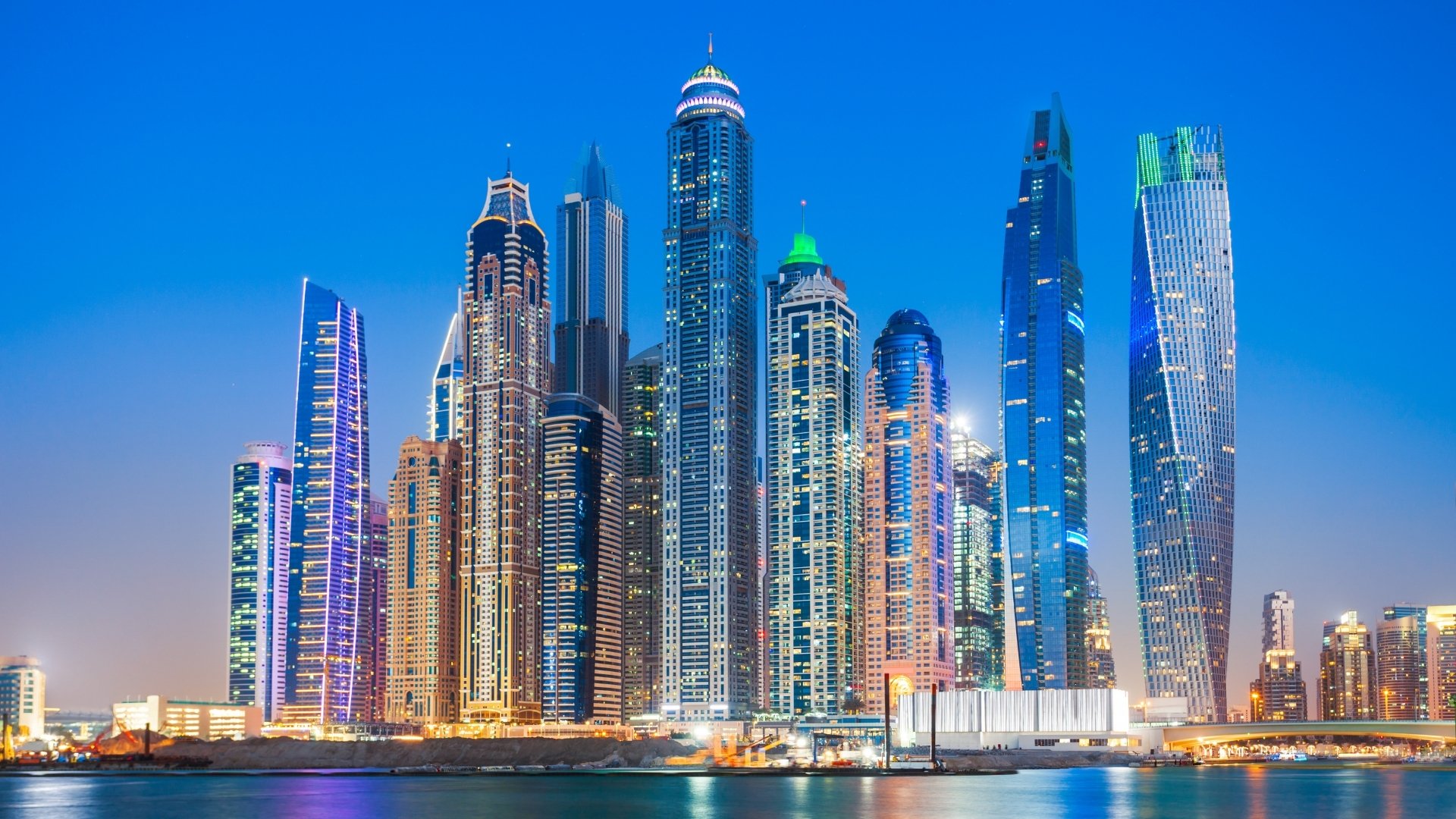
Most people recognise Ramadan as a period of fasting, shorter workdays, and altered routines across the city. It often becomes a seasonal adjustment rather than a moment of historical or spiritual weight.
Yet each evening marks a clear transition in Dubai. The fast ends, tables are set simply, prayers draw people together, and the city resumes its movement with purpose.
What gives Ramadan its meaning is not simply a restraint from eating, but structure. When time, tradition, and setting align, Ramadan becomes less about endurance and more about reflection, connection, and renewal.
At a Glance
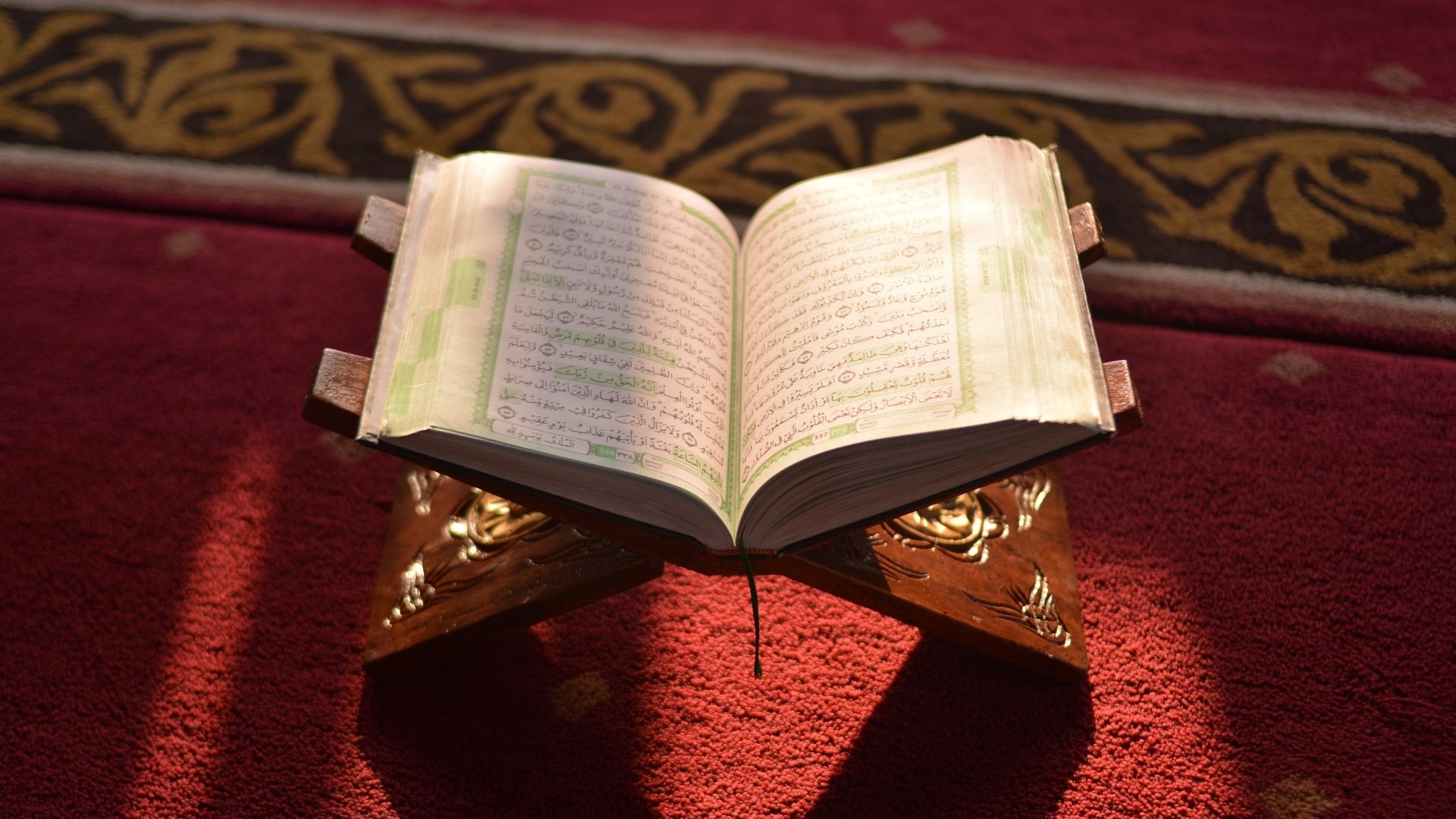
Ramadan marks the period when the first verses of the Quran were revealed to Prophet Muhammad in the seventh century, an event traditionally associated with the nights spent in reflection at the Cave of Hira.
From that moment, the month became more than a time of fasting. It established a sense of restraint, prayer, and heightened awareness meant to draw daily life back toward faith, ethics, and community.
A typical day unfolds with quiet structure and intention:
Meals are simplified, time is reordered around prayer, and attention shifts toward generosity, particularly through acts of charity that ensure every household can mark the end of the fast with dignity.
Also read: Discover Musalla Al Eid in Dubai: A Sacred Space for Eid Prayers
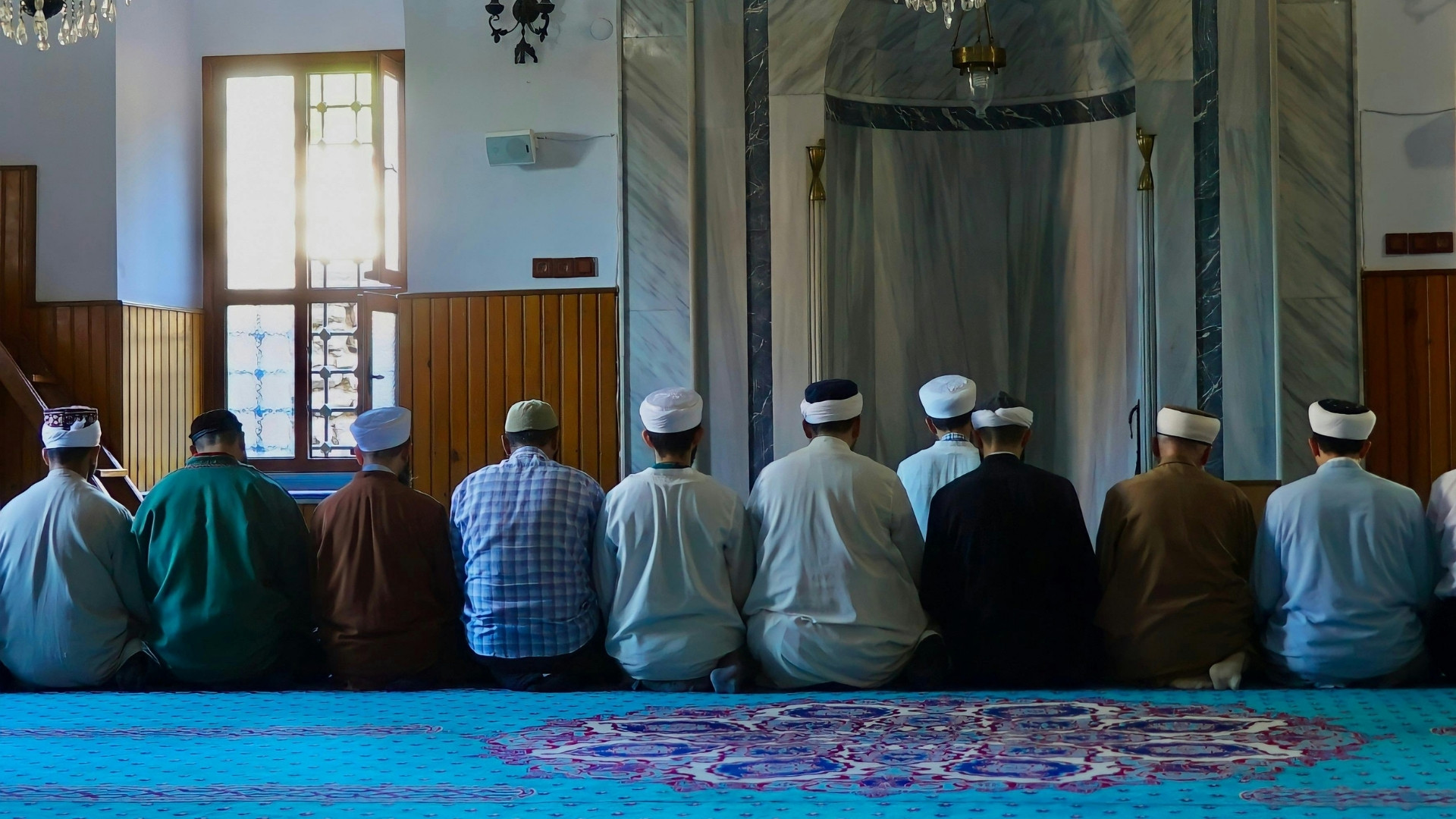
Across the month, daily life becomes more intentional. Many set personal goals for Quran recitation, charity, and self-discipline, turning the month into a structured reset. Most conversations often centre around practical details such as what time is iftar in Dubai as sunset shifts gradually across the weeks.
Evenings, in particular, take on a different character. After the fast is broken, neighbourhoods come alive again. People walk together after prayers, visit relatives, exchange meals, and spend time in public spaces that feel calmer and more communal than usual.
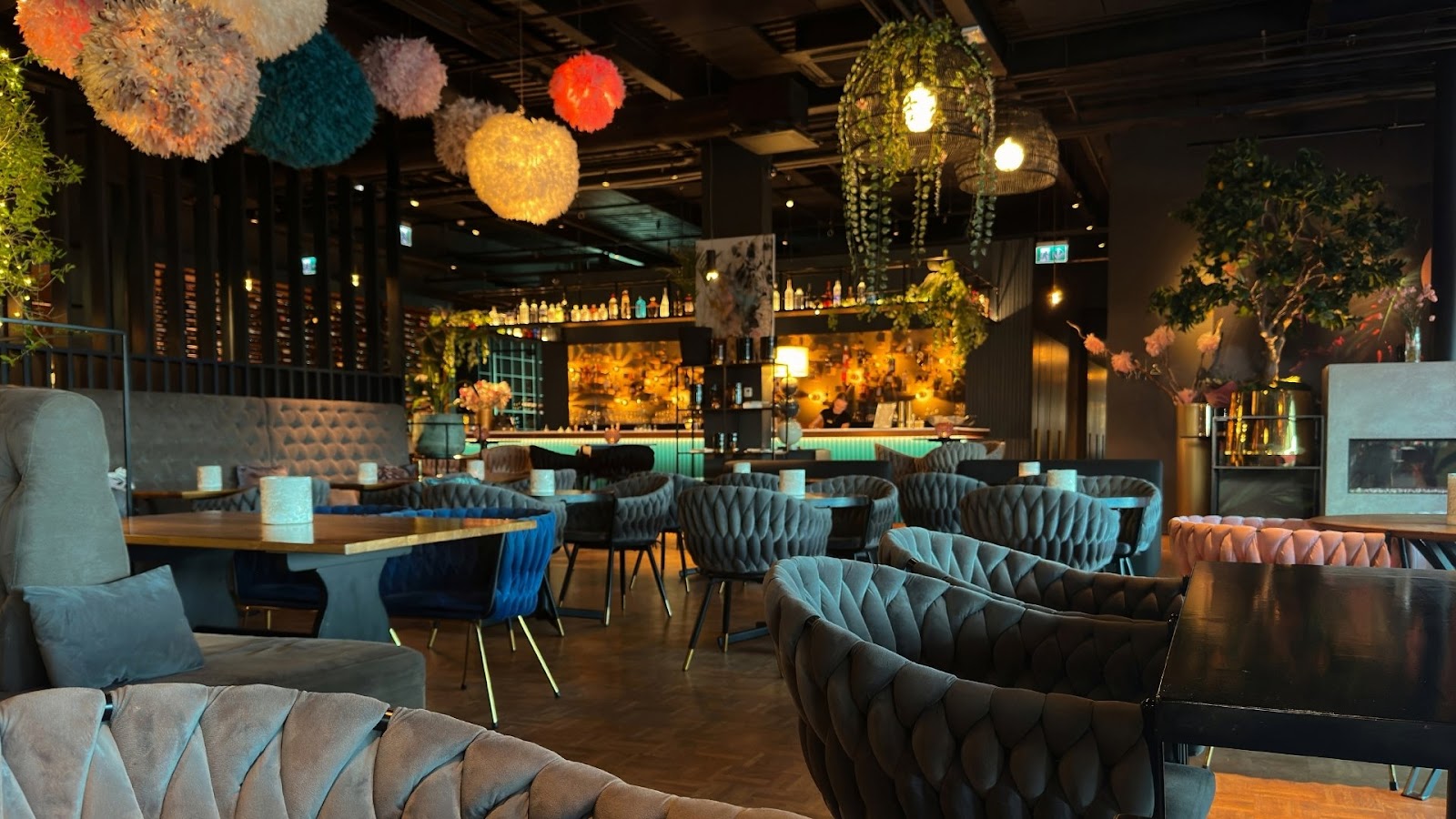
For those looking to mark these evenings with something thoughtfully curated, spending time around DOORS Dubai, in The Dubai Mall, offers a fitting balance of atmosphere and shared dining.
Orchestrated by the internationally acclaimed Chef Kemal Çeylan, the menu blends traditional flavours with modern technique, turning the iftar experience into something both comforting and elevated. For those drawn to culinary theatre, two experiences stand out:
As the evening sun dips and the city pauses for the call to prayer, the shared stillness of a breaking fast becomes the most authentic expression of the Festivals of Dubai.

Ramadan ultimately becomes a lesson in balance. The days teach restraint and focus. The nights restore energy through prayer, food, and shared presence. Over the course of the month, routines soften, priorities sharpen, and everyday moments take on greater weight, from preparing a simple iftar at home to walking through the city after evening prayers.
What lingers most is not the fast itself, but the atmosphere it creates. Streets that feel quieter by day grow warm and social by night. Families reconnect. Time feels deliberately spent rather than filled. It is a season that invites people to be more present with one another and with their surroundings.
For those evenings meant to be enjoyed beyond the home, gathering around a well-prepared table near the heart of the city adds another layer to the experience. A shared meal at DOORS Dubai fits naturally into Ramadan’s slower frame, offering a refined way to close the day together.
1. Why does the date of Ramadan change every year in Dubai and other countries?
Ramadan follows the Islamic lunar calendar, which is about 10 to 11 days shorter than the Gregorian calendar. Because of this, the start of Ramadan moves earlier each year, determined by the sighting of the new moon.
2. Are there exemptions from fasting during Ramadan?
Yes. Children, the elderly, pregnant or breastfeeding women, travellers, and those with medical conditions are exempt. Missed fasts are usually made up later or compensated through charitable feeding, depending on individual circumstances.
3. How do public spaces and businesses in Dubai typically adapt during Ramadan?
Working hours are often reduced, dining outlets shift service hours to the evening, and many malls, mosques, and cultural venues extend nighttime hours to accommodate post-iftar crowds.
4. What is Zakat al-Fitr, and when is it given?
Zakat al-Fitr is a mandatory charitable donation given before the Eid al-Fitr prayer. It is meant to ensure that everyone, including those in need, can participate in the Eid celebration with food and dignity.
5. Why are the last ten nights of Ramadan considered especially important?
They are believed to include Laylat al-Qadr, the night when the Quran’s first verses were revealed. Worship during this period is considered particularly significant, which is why many increase prayers and acts of charity during these nights.
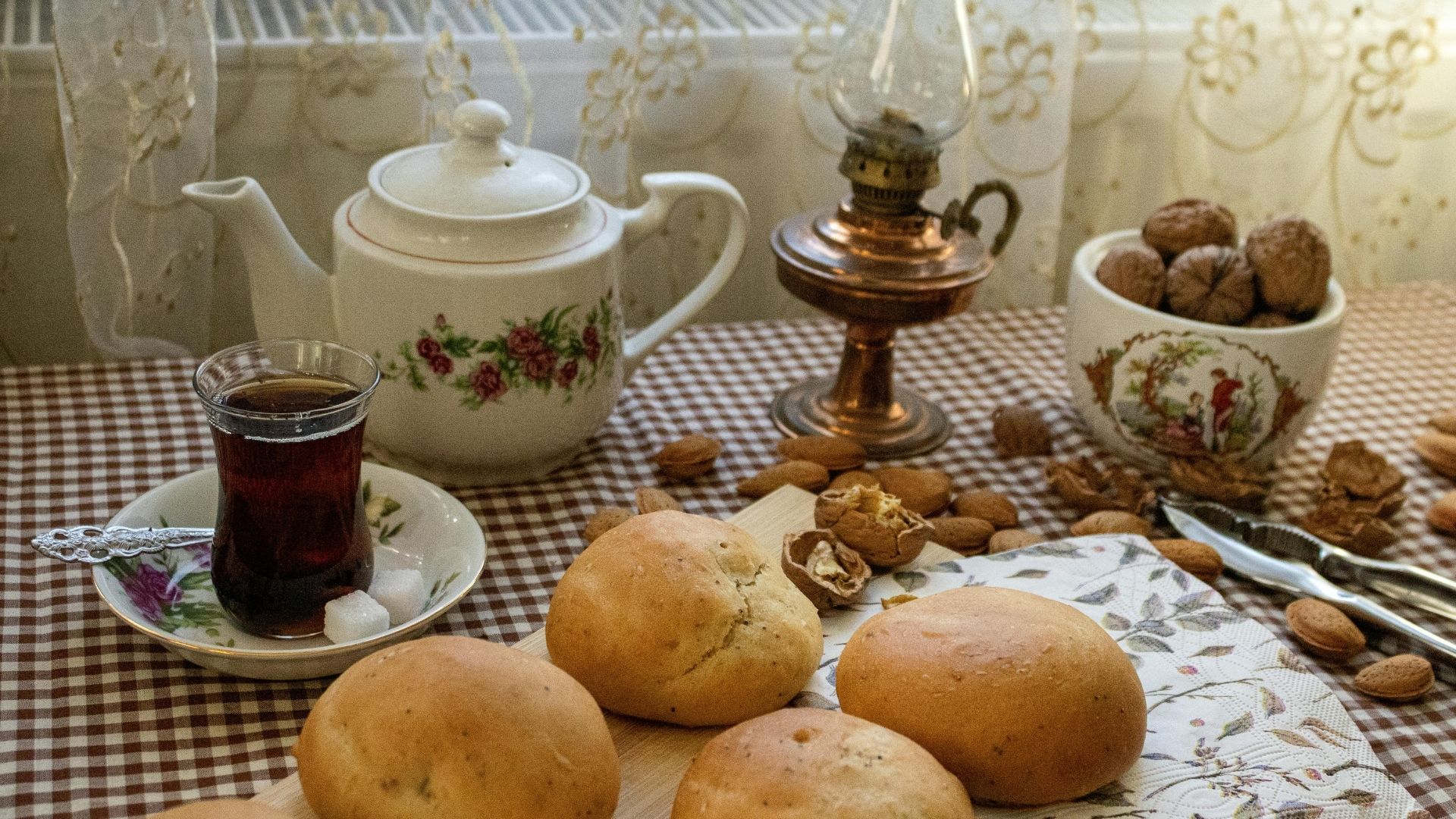
Discover the best afternoon tea Dubai has to offer from luxury hotels to waterfront lounges with elegant menus, skyline views, and refined bites.
Explore this curated guide to the best fine dining restaurants in Dubai focused on setting service and seasonal dining experiences!


.svg)