
.png)
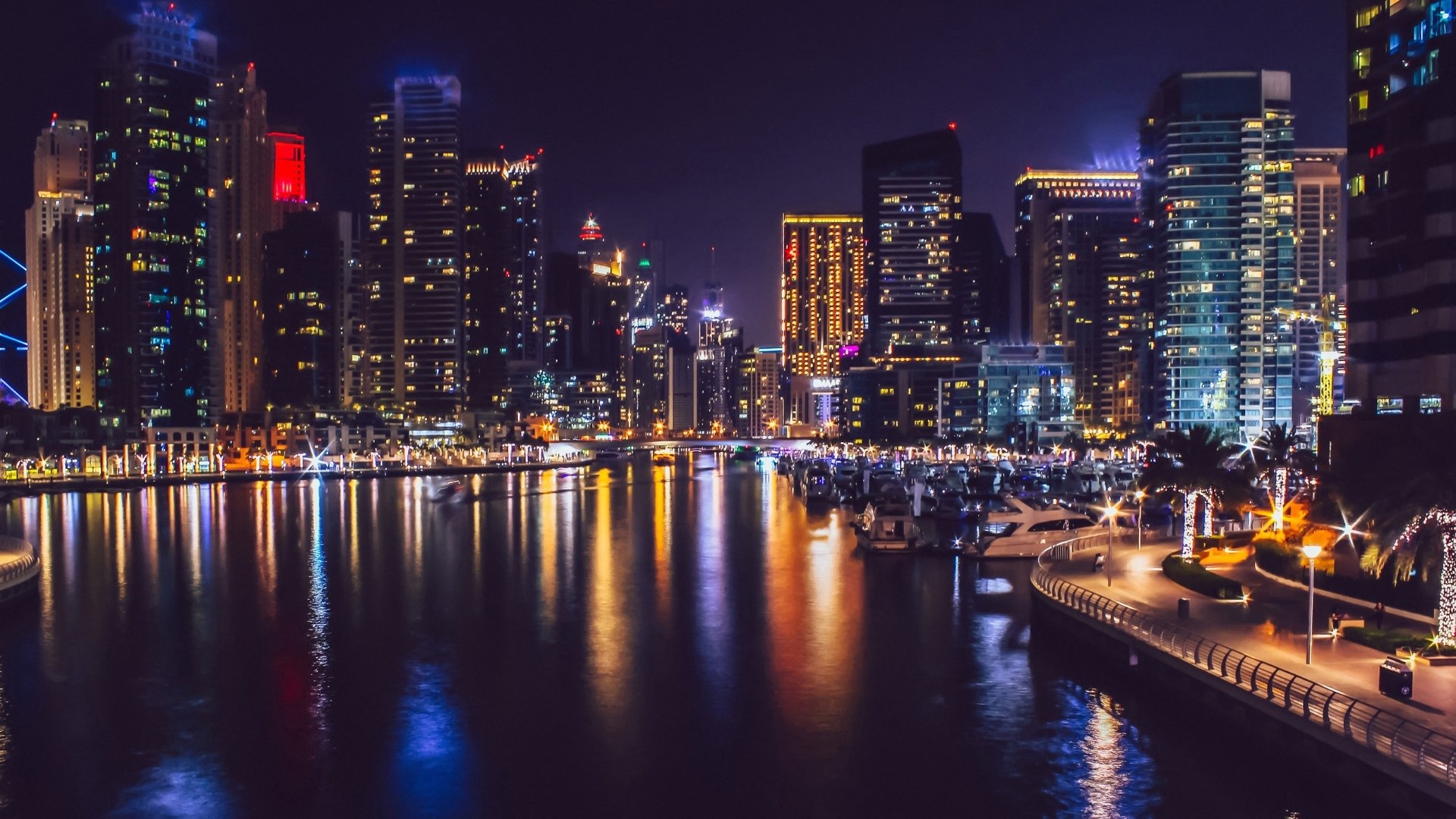
Eid Al Adha celebrations in Dubai carry a meaning that begins well before the gatherings and citywide festivities. Known as the Festival of Sacrifice, the holiday marks one of the most significant moments in the Islamic calendar, centred on faith, generosity, and the act of giving.
Across the city, the day begins with congregational prayers held shortly after sunrise. Families return home soon after, where tables prepared the night before welcome a steady flow of relatives and friends. Homes remain open longer than usual, and greetings move easily between rooms as the celebration settles into the rhythm of shared meals and conversation.
As the day continues, the celebration gradually extends beyond the home. Eid Al Adha celebrations in Dubai unfold through family visits, community traditions, and gatherings that bring people together across the city. What begins with faith in the morning grows into a holiday shaped by hospitality, generosity, and time spent with those who matter most.
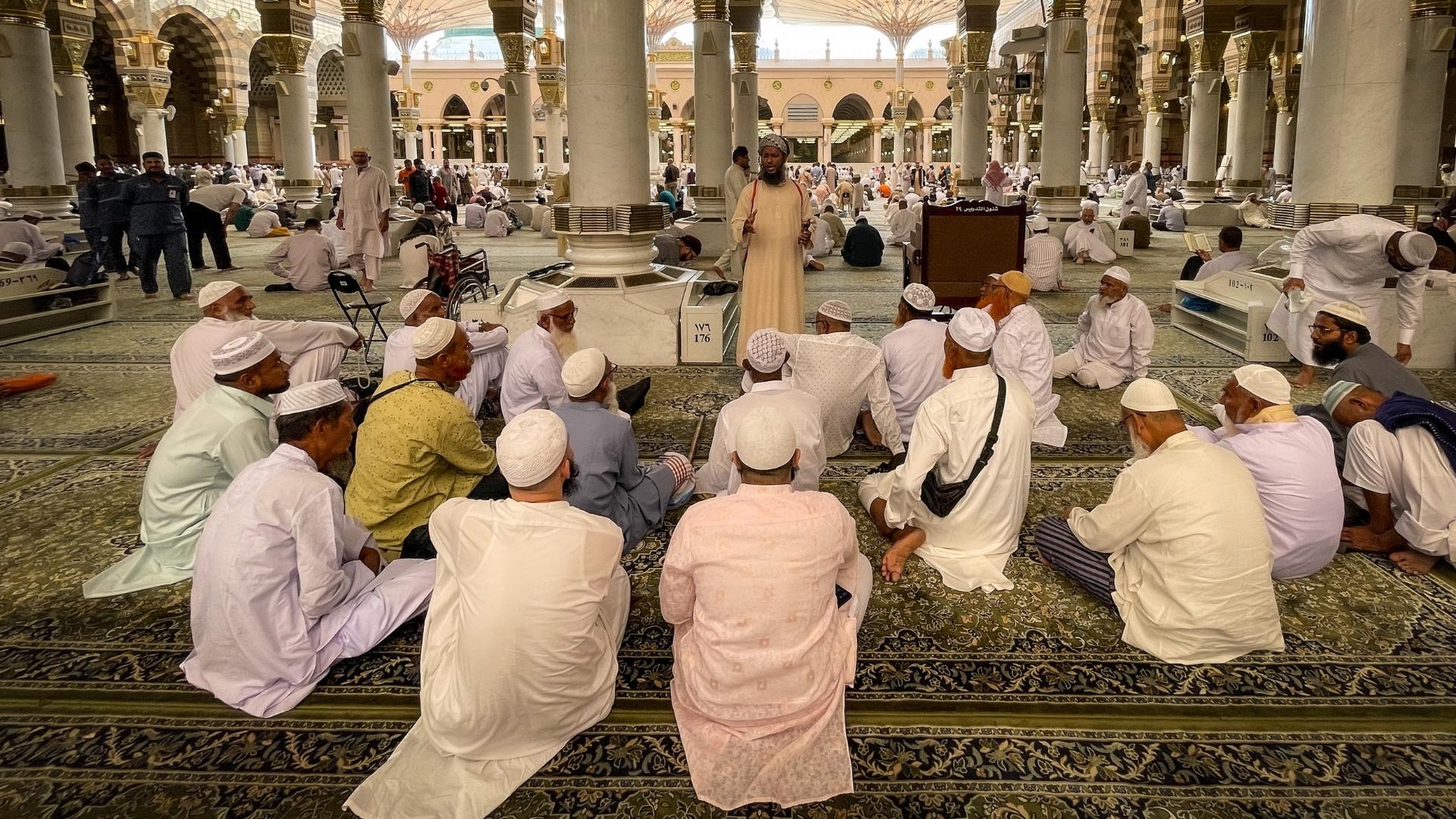
Eid Al Adha is observed on the tenth day of Dhul Hijjah, the final month of the Islamic calendar, during the period of the annual Hajj pilgrimage. The festival commemorates the story of Prophet Ibrahim, whose devotion was tested when he was commanded to sacrifice his son. According to Islamic tradition, the sacrifice was ultimately replaced with a ram, establishing the practice remembered today.
From this story comes the tradition of Qurbani, the ritual sacrifice performed after Eid prayers. The meat is divided into portions shared between the household, relatives and families in need, reflecting the values associated with the occasion.
For Muslims in Dubai and across the UAE, these traditions form the spiritual foundation of the holiday. While the day unfolds through family visits and shared meals, the meaning of Eid Al Adha remains closely tied to faith, responsibility and remembrance of the story that defines the festival.
Also Read: Dining Beneath the Burj Khalifa Lights
The first moments of Eid Al Adha celebrations in Dubai begin shortly after sunrise. Mosques and designated prayer grounds across the city fill steadily as families gather for congregational Eid prayers, marking the official start of the holiday.
Once the prayers conclude, families return home, where the first visits of the day begin. Doors remain open longer than usual, allowing relatives and close friends to move easily between homes. Arabic coffee is poured repeatedly, dates are passed across the table, and greetings continue through the late morning as each household welcomes guests.
Across many homes in Dubai, the morning often follows a familiar pattern:
These early hours create the rhythm for the rest of the day. What begins with prayer soon shifts into a series of visits, shared meals and conversations that continue throughout the afternoon.
Also Read: Dubai's Top Late Night Dining Spots
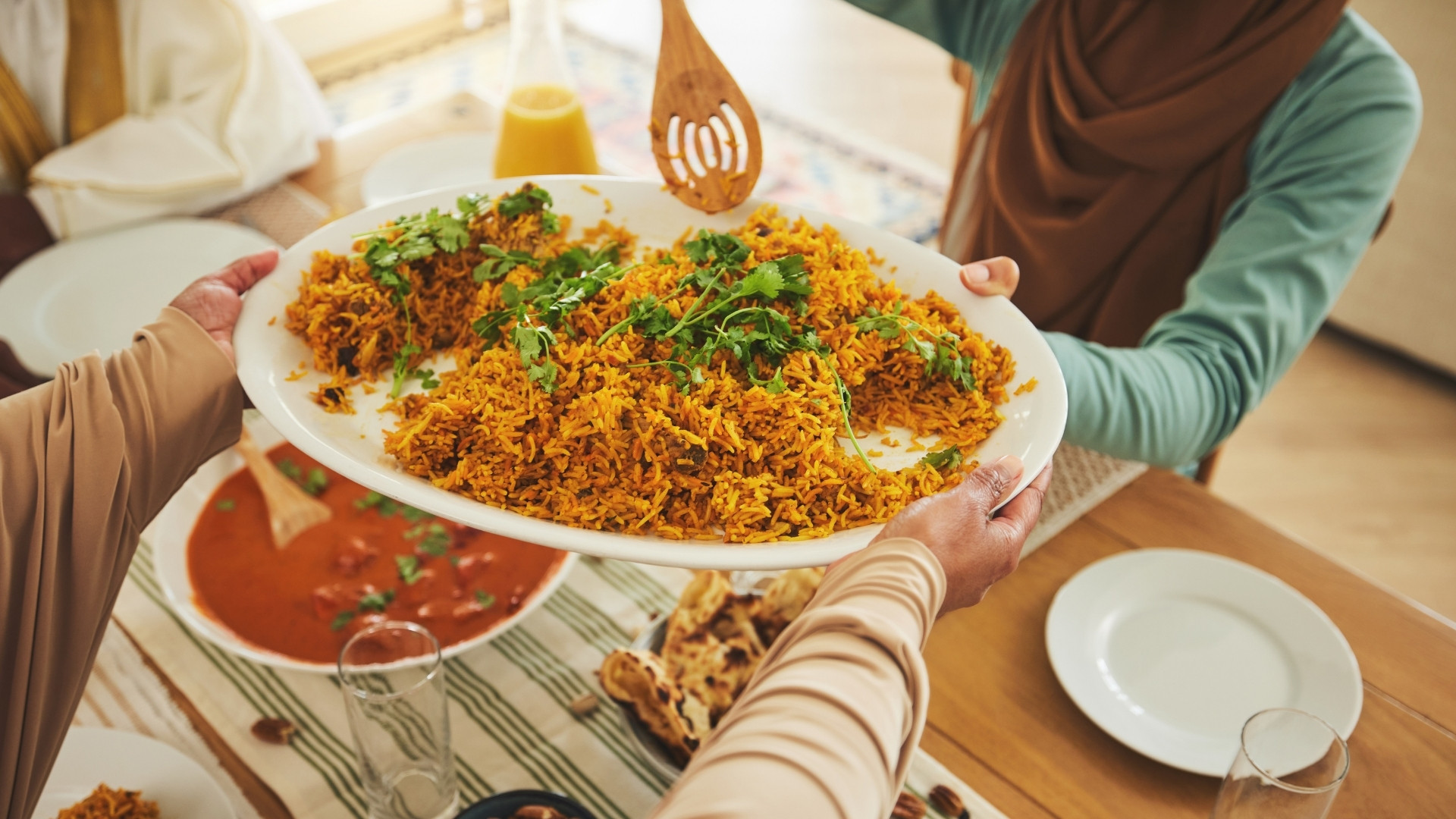
One of the defining elements of Eid Al Adha is the ritual of sacrifice known as Qurbani. In Dubai, this tradition is carried out through a structured system that ensures the practice follows both religious guidelines and local regulations.
Licensed slaughterhouses across the city manage the preparation process, while charitable organisations coordinate distribution programmes during the holiday. Many residents arrange their Qurbani through approved facilities that handle the sacrifice and organise the delivery of the meat.
Once completed, the portions are divided according to tradition. A share remains with the household, another is sent to relatives or friends, and a significant portion is directed toward charitable programmes that support families in need.
Several initiatives help organise this process during the Eid period:
Through these coordinated efforts, the ritual of Qurbani becomes more than a private observance. It connects households across the city while ensuring the spirit of the holiday reaches those who may need support the most.
When the skyline becomes part of a larger celebration, Festivals of Dubai traces the events and cultural moments that gather around the tower and its surrounding terraces.
As the day moves toward evening, Eid Al Adha celebrations in Dubai begin to spread across the city’s waterfronts and public spaces. Fireworks displays are among the most anticipated moments of the holiday, drawing families, residents and visitors to gathering points where the skyline becomes part of the celebration.
Major locations across Dubai often host scheduled firework shows during Eid evenings. Waterfront areas and open promenades tend to fill early as people arrive to secure viewing spots before the displays begin.
Popular locations where Eid fireworks are often organised include:
Fireworks are usually scheduled after sunset, with many displays beginning between 8 p.m. and 9 p.m., depending on the official programme announced for the holiday.
For many families, these displays mark the moment when the celebration shifts from private gatherings into the shared atmosphere of the city. Crowds gather along the waterfront, children watch the sky closely, and conversations pause briefly as the first lights rise above the skyline.
Visitors looking to explore more seasonal events across the city can follow updates through Festivals of Dubai, where celebrations and cultural programmes are organised throughout the year.

Alongside family gatherings and public events, shopping districts across the city become some of the most active places during Eid Al Adha celebrations in Dubai. Major malls extend their opening hours during the holiday, allowing residents and visitors to continue the celebration late into the evening.
For many families, Eid shopping begins before the holiday as people prepare new clothes, gifts and decorations. During the celebration itself, malls become popular meeting points where families walk, dine and explore seasonal promotions organised for the occasion.
Several malls across Dubai usually host special activities during Eid Al Adha:
During Eid evenings, foot traffic across these shopping districts increases steadily after sunset. Restaurants begin filling quickly, entertainment areas attract families, and retail stores remain active well into the night.
For many residents, spending time in these lively districts becomes part of the celebration itself. After the morning rituals and afternoon family visits, the holiday naturally continues through the city’s shopping and entertainment spaces where people gather, explore and extend the festive atmosphere.
Also Read: Downtown Dubai From First Coffee to Last Light

Beyond malls and waterfront promenades, Eid Al Adha celebrations in Dubai also unfold in the city’s historic districts, where traditions remain closely connected to everyday life. Areas such as Al Fahidi Historical Neighbourhood and Al Seef offer a different setting during the holiday, where visitors experience quieter gatherings shaped by heritage, food and local crafts.
These districts often host small cultural activities during Eid that reflect traditional Emirati hospitality. Courtyards remain active into the evening, cafés extend their seating areas and families move slowly through narrow walkways that overlook the Dubai Creek.
Several experiences commonly draw visitors to these areas during Eid Al Adha:
Spending time in these districts offers a quieter contrast to the larger celebrations happening elsewhere in the city. Visitors walk along the creek, explore heritage buildings and sit for long conversations over tea or coffee while the evening continues around them.
For many residents, these cultural quarters provide a way to experience Eid Al Adha celebrations in Dubai through the lens of tradition, where the pace slows, and the focus returns to community and shared hospitality.

Eid Al Adha also brings many residents and visitors outdoors across Dubai. With several public holidays often surrounding the festival, beaches, desert landscapes and waterfront districts become popular places to spend the latter hours of the day.
As evening approaches and temperatures begin to ease, coastal areas across the city start to fill with people enjoying the cooler air. Walkways along the shoreline remain active as residents take evening strolls or pause by the water after sunset.
Several outdoor activities attract visitors during the Eid holiday:
These outdoor settings offer a slower pace compared with the city’s busiest districts. Many visitors spend time exploring open spaces before continuing their evening elsewhere in Dubai.
When terraces remain full, and the city keeps moving, Festivals of Dubai follow a map where music, culture, and late-night gatherings take shape across the calendar.
As the evening progresses, restaurants across Dubai begin welcoming groups arriving after a full day of celebrations. Dining out has gradually become one of the most common ways people spend the latter hours of Eid Al Adha in the city.
During the holiday, reservations increase steadily as families and friends look for places where they can sit comfortably and enjoy the evening together. Restaurants located near waterfronts or iconic city landmarks often become the most sought-after locations.
Several factors usually influence where people choose to dine during Eid evenings:
Among these locations, dining spaces overlooking the Dubai Fountain draw particular attention during Eid nights. The setting allows guests to enjoy the evening performances while settling into a meal that closes the day in a relaxed atmosphere.
One restaurant that naturally fits this setting is DOORS Dubai Mall, located within the Fashion Avenue extension and overlooking the fountain.
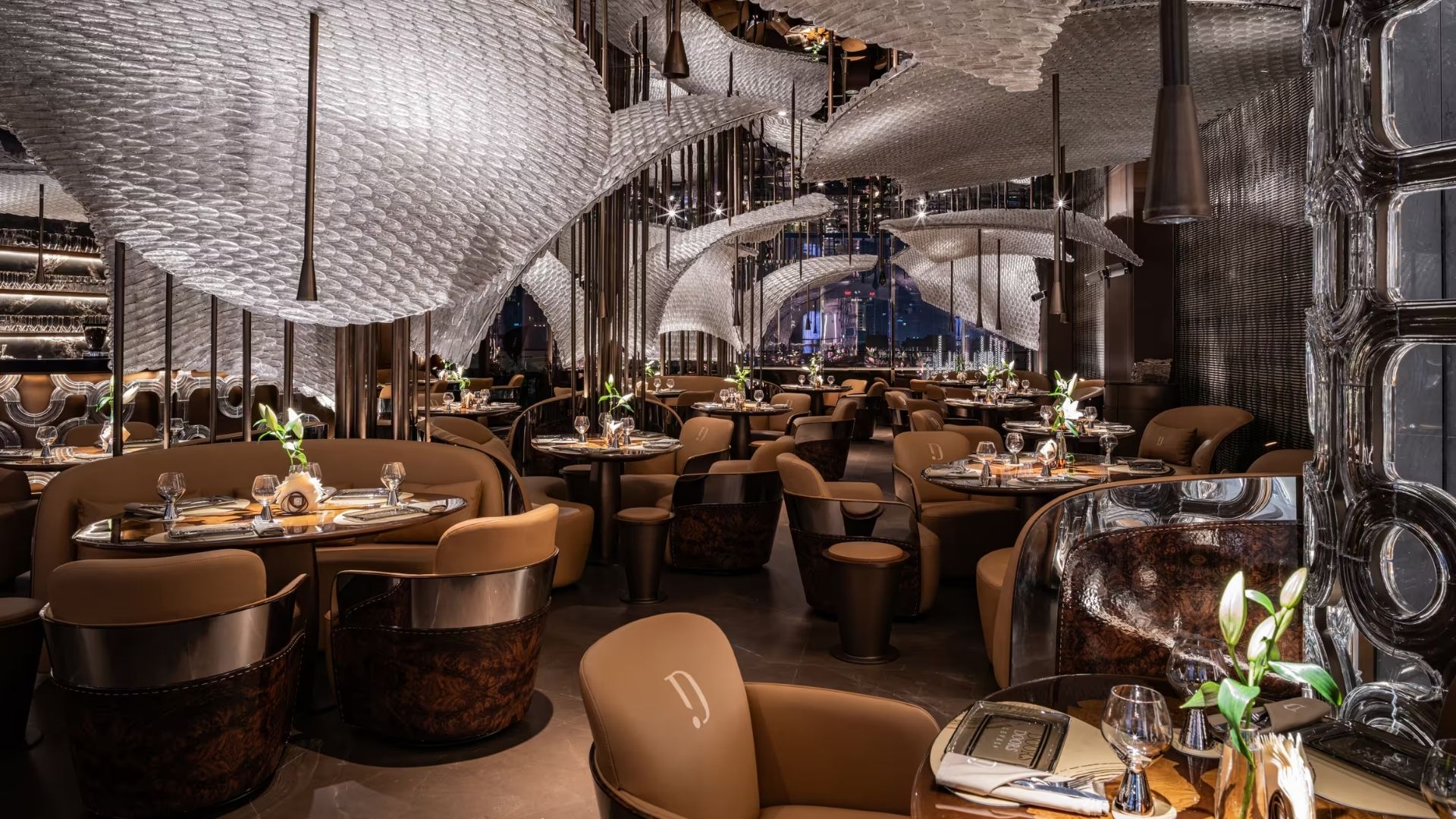
By the time Eid evening reaches its final stretch, the pace of the city begins to slow. Fireworks fade, promenades thin out, and many visitors move toward the quieter corners of Downtown Dubai.
Inside the Fashion Avenue extension of Dubai Mall, DOORS Dubai Mall offers a setting that feels slightly removed from the movement outside. The terrace looks directly over the Dubai Fountain, where the final performances of the evening rise and fall against the skyline.
Guests tend to arrive after exploring the city, settling into tables where conversation carries easily across the terrace. The view becomes part of the experience, with the fountain performances unfolding between courses and the promenade lights reflecting across the water.
For those planning an Eid evening here:
• Average spend ranges between AED 250 and AED 400 per guest
• Opening hours run 10 a.m. to 1 a.m. daily
• Fountain-view terrace seating is usually reserved several days in advance during Eid
As the final fountain show begins and the crowds below begin to thin, the evening naturally slows around the table.
Reserve your table at DOORS Dubai Mall.
By the time the evening settles across Dubai, the city’s celebrations gradually begin to quieten. Fireworks fade, promenades grow calmer, and the pace of the holiday slows into the later hours of the night.
Eid Al Adha celebrations in Dubai often end the same way they begin: with people seated together, taking their time over food and conversation after a day shaped by faith, tradition and citywide gatherings.
For many residents and visitors, the final moments of the holiday unfold around the table, where the atmosphere becomes quieter, and the focus shifts to the experience of the evening itself.
In a city known for grand celebrations, Eid Al Adha ultimately returns to something simple: time shared with others and a meal enjoyed without hurry.
For those planning an Eid evening in Downtown Dubai, DOORS Dubai Mall offers a terrace setting overlooking the Dubai Fountain, where the celebration can continue over an unhurried meal.
Reserve your table at DOORS Dubai Mall.
Q: When is Eid Al Adha celebrated in Dubai?
A: Eid Al Adha is determined by the sighting of the moon and is officially announced by the UAE authorities shortly before the expected date. The holiday usually lasts three to four days across the country.
Q: What happens during Eid Al Adha celebrations in Dubai?
A: Eid Al Adha celebrations in Dubai begin with morning prayers and family visits before extending into citywide gatherings later in the day. Fireworks, shopping, cultural activities and evening dining become common ways residents and visitors continue the celebration.
Q: Where can visitors watch Eid fireworks in Dubai?
A: Fireworks during Eid are often organised at locations such as Dubai Festival City, Bluewaters Island, JBR and other waterfront areas. Most displays begin between 8 p.m. and 9 p.m., depending on the official programme announced for the holiday.
Q: Are restaurants open during Eid Al Adha in Dubai?
A: Yes, restaurants across Dubai remain open during Eid and many experience higher reservations during the holiday evenings. Popular dining locations in central areas such as Downtown Dubai often require advance booking.
Q: Where can you dine during Eid Al Adha in Downtown Dubai?
A: Restaurants overlooking the Dubai Fountain are especially popular during Eid evenings because they combine dining with views of the city’s performances. DOORS Dubai Mall is one such option where guests can enjoy terrace seating and an unhurried meal while watching the fountain.
Q: Do restaurants get busy during Eid in Dubai?
A: Yes, many restaurants become fully booked during the first evenings of Eid as families and visitors gather for extended meals. Popular venues such as DOORS Dubai Mall often recommend reservations several days in advance during the holiday period.
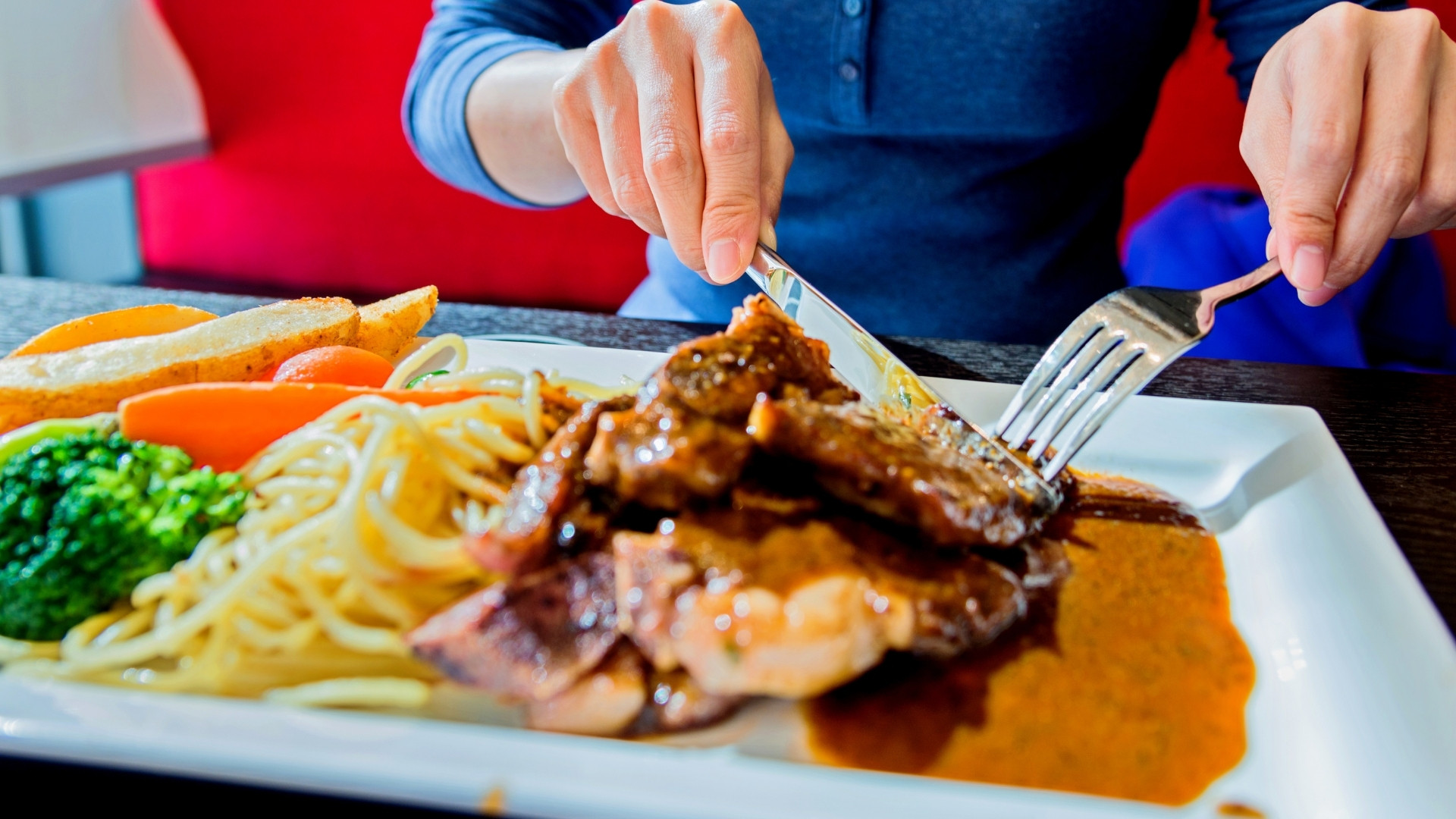
Discover 2026's best lunch spots in Dubai, from Zuma's award-winning Japanese to LA Petite Maison's fine French dining. Savor unique dishes at top eateries. Plan your next lunch outing!
Discover Eid Al Adha celebrations in Dubai, from prayers and fireworks to dining by the Dubai Fountain. See how the city celebrates the holiday.


.svg)