
.png)
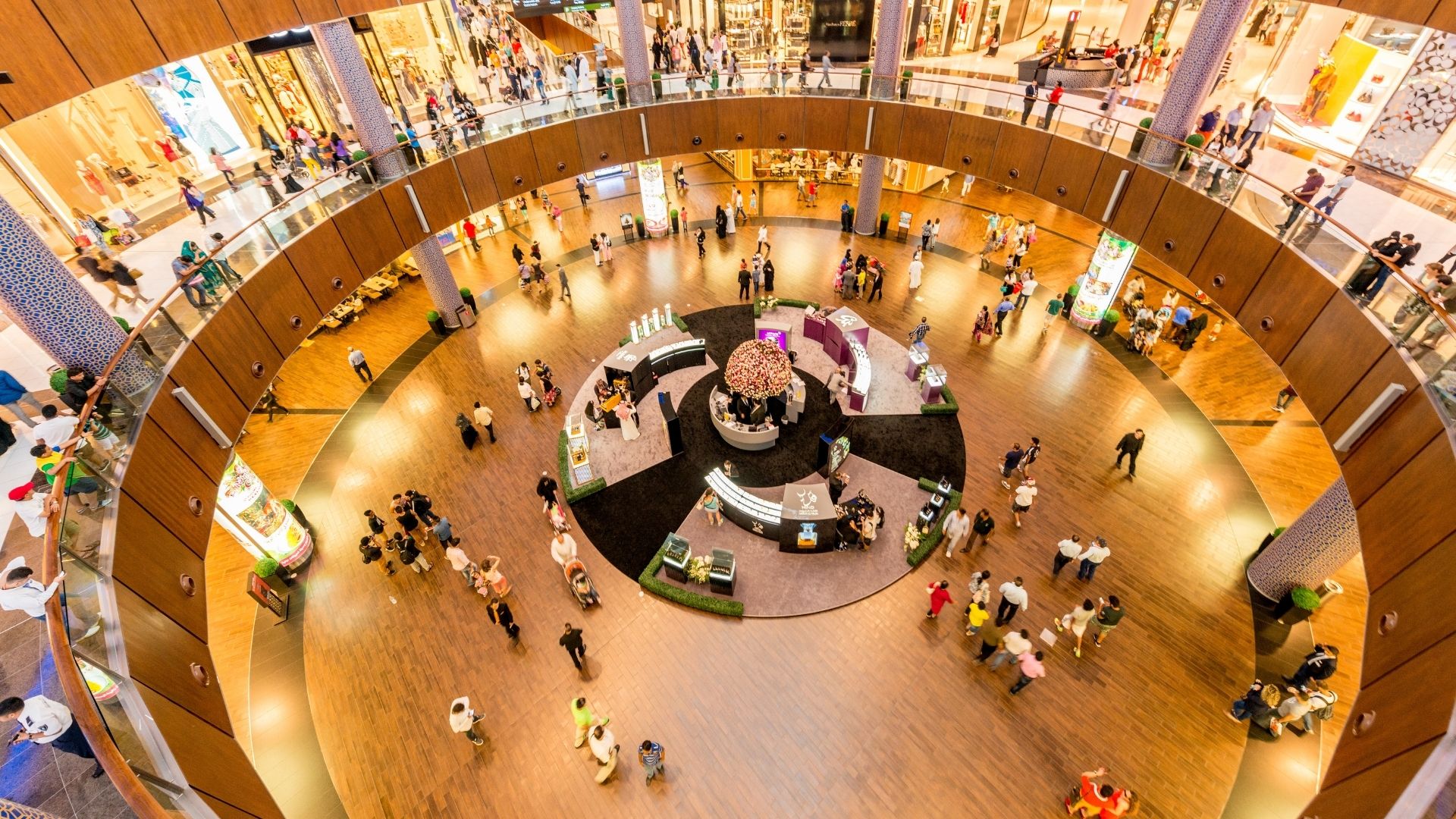
Dubai is known for its malls because they evolved as necessities before becoming landmarks. In a city shaped by extreme heat and rapid urban growth, malls offered climate-controlled space for shopping, dining, and social life. Over time, they absorbed entertainment, leisure, and tourism, turning everyday errands into full-day visits for residents and first impressions for travellers.
The scale is felt immediately. Cool air replaces outdoor heat, polished floors carry steady footfall, and the sound of fountains, cinemas, and cafés overlaps under one roof. At the Dubai Mall alone, more than 100 million visitors move through the mall each year, while places like Mall of the Emirates add indoor snow to the experience. The sensory environment explains why people stay longer than planned.
This prominence is not accidental. From Al Ghurair Centre’s opening in 1981 to the Dubai Mall’s continued expansion, each development reflects deliberate planning, positioning malls as economic drivers and social anchors. With over 65 malls operating today, Dubai’s identity has become closely tied to spaces where time, comfort, and place consistently align.
At a Glance:
Retail in Dubai often falters at the details. Wayfinding loops back on itself, tables turn too quickly, queues form without context, and time disappears between floors. The visit becomes functional rather than fluid.
Only a handful of malls resolve this well, where layout, pacing, and pause are designed as carefully as the storefronts themselves.
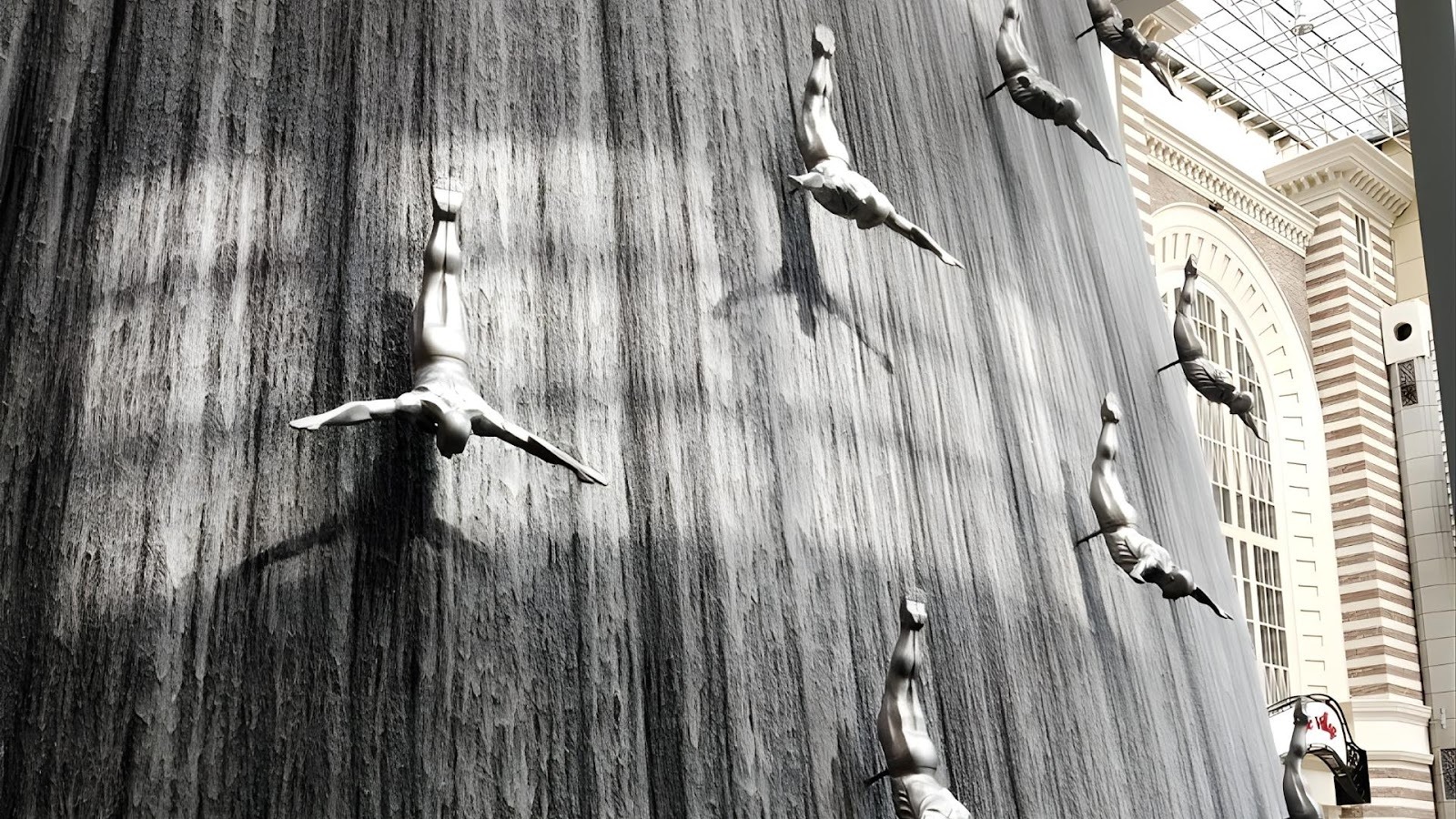
The Dubai Mall stands apart not only for its size but for how architecture and experience are layered together. Designed as both a commercial and cultural landmark, its vast interiors are anchored by visual statements.
The Human Waterfall cascading across levels, the Grand Atrium hosting large-scale installations, and seamless transitions that connect retail, leisure, and the Burj Khalifa precinct. It functions more as a city centre than a mall within Downtown Dubai.
What Sets It Apart:
Timings: 10 a.m. to 1 a.m. (retail and many outlets; some cafes/restaurants may open earlier or close later)
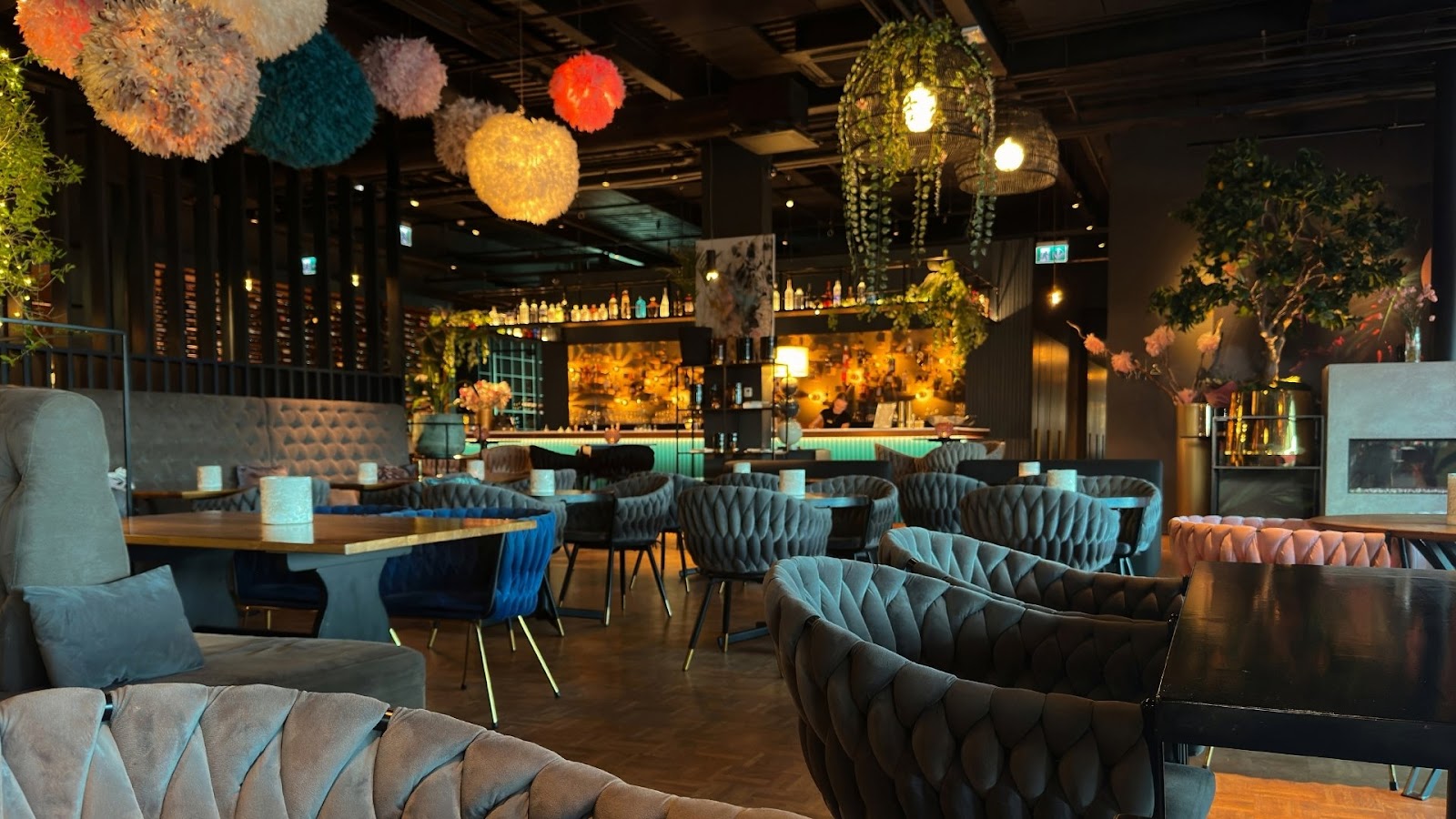
Within this scale, DOORS Dubai offers a calm counterpoint. Set at one of the mall’s highest vantage points, it overlooks the Dubai Fountain and Burj Khalifa. Led by internationally acclaimed Chef Kemal Çeylan, the menu pairs traditional flavours with modern technique, from premium-cut meats to refined desserts.

The Mall of the Emirates is one of Dubai’s earliest large-format malls to integrate retail, entertainment, and dining at scale. Opened in 2005, it established a model that prioritised indoor comfort, clear zoning, and all-day usability.
Its layout supports long visits without fragmentation, making it a reliable destination for residents and tourists seeking consistency rather than spectacle.
What Sets It Apart:
Timings: 10 a.m. to 10 p.m. (Mon–Thu) and 10:00 a.m. to 12:00 a.m. (Fri–Sun) (typical retail hours)
For many, mornings at the mall shape the rest of the day. Whether starting in Al Barsha or Downtown, a well-timed breakfast sets a reference point as plans stretch across the city. At DOORS Dubai, the Signature Breakfast is served from 10 a.m. to 4 p.m. for AED 150 for two, including two selected dishes, tea or coffee, and a welcome juice; an easy start before the pace shifts.

Ibn Battuta Mall is defined by its themed architectural layout rather than scale or luxury positioning. Opened in 2005 along Sheikh Zayed Road, the mall is organised into six distinct courts inspired by the travels of the 14th-century explorer Ibn Battuta.
Each section uses architectural replicas, murals, domes, and sculptures drawn from China, India, Persia, Egypt, Tunisia, and Andalusia, making the structure itself a central feature of the visit rather than a backdrop.
What Sets It Apart:
Timings: 10 a.m. to 10 p.m. (Sun–Thu) and 10 a.m. to 12 a.m. (Fri–Sat)
For those looking to step beyond the city’s most familiar stops and see how Dubai reveals itself in quieter ways, Seeing Dubai Past the Usual Highlights in 2026 offers a wider perspective.

Dubai Festival City Mall is structured around an open waterfront plan along Dubai Creek, with architecture that prioritises outdoor visibility and direct access to the promenade. The mall integrates indoor retail corridors with expansive external walkways, allowing activity to flow naturally toward the water.
This design supports the IMAGINE show, a Guinness World Record-holding multimedia display. This is using the creekfront as a permanent architectural focal point rather than an enclosed centre.
What Sets It Apart:
Timings: 10 a.m. to 10 p.m. (Mon–Thu) and 10 a.m. to 12 a.m. (Fri–Sun)
Places like this show how celebration is built into the city’s public spaces, not reserved for special dates alone. Throughout the year, Dubai carries this same rhythm across its wider festival calendar; something Festivals of Dubai captures in full.

City Centre Deira is a compact, fully enclosed mall located in one of Dubai’s oldest commercial districts, close to Dubai International Airport. Opened in 1995, its architecture reflects an earlier phase of mall development, with a straightforward, rectangular layout designed for convenience rather than spectacle.
Direct metro connectivity and clearly segmented floors make it easy to navigate, particularly for short, purpose-driven visits.
What Sets It Apart:
Timings: 10 a.m. to 10 p.m. (weekdays) and 10 a.m. to 12 a.m. (weekends)
Also Read: Exploring Dubai Without the Price Tag
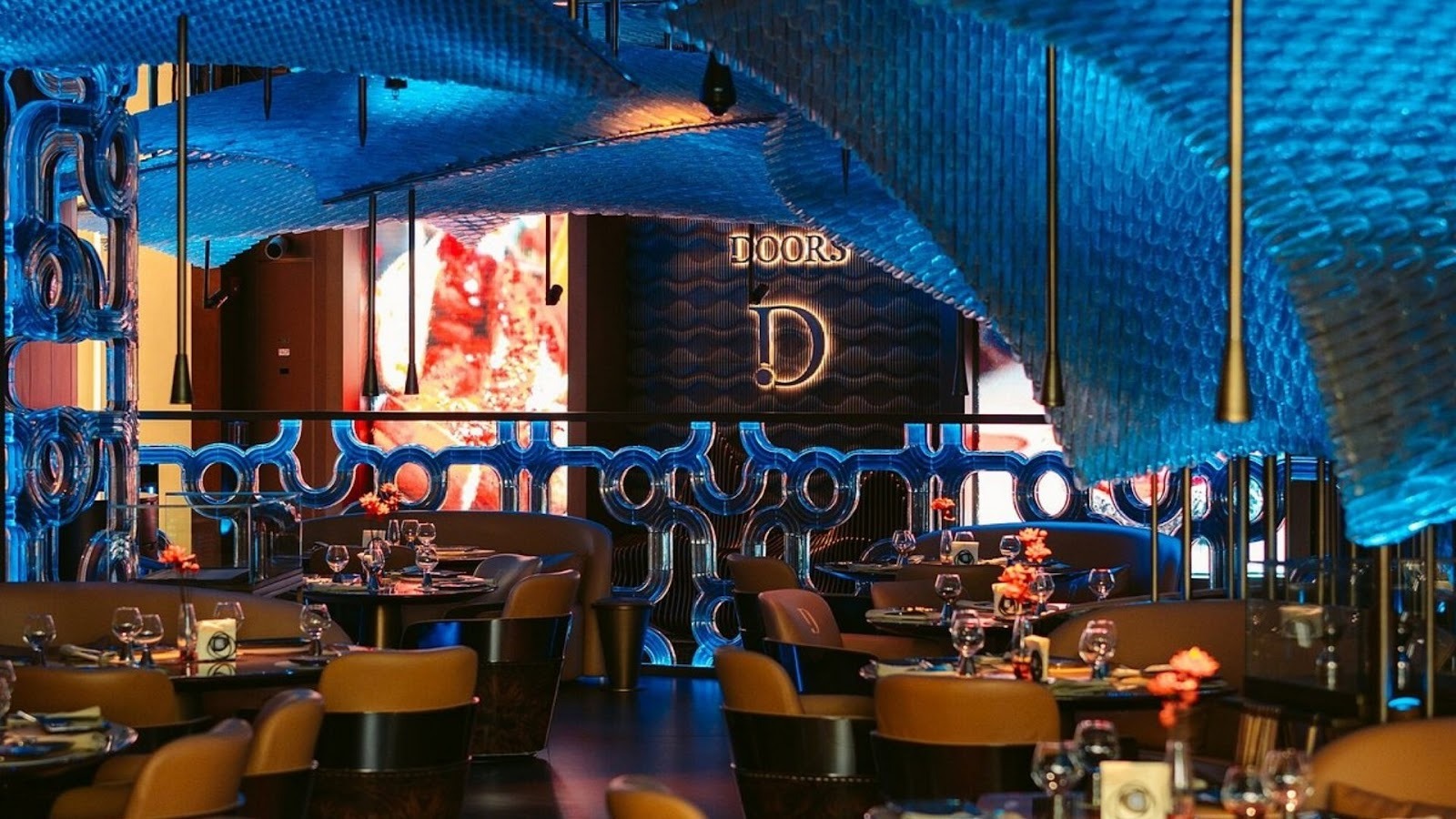
Malls today are no longer just about what you buy, but how you spend the hours in between. People arrive for errands and stay for coffee, wander between exhibitions and cinemas, pause for views, and let the day unfold across meals rather than store lists. A well-planned mall visit now moves in phases: shopping early, leisure in the afternoon, and dining as the natural close.
This is where DOORS Dubai wraps up the day, regardless of which mall you start in. Known for its elevated approach to grill-led dining, panoramic views, and composed service, it defines what mall dining can be when done well.
Premium cuts arrive with intention, the atmosphere holds steady, and the city lights frame the moment. The bags are set aside, the pace finally softens, and a table is waiting.
For those who prefer the most considered ending, The Presidential Table offers a closing that feels ceremonial; a personal butler, a 17-course progression, and a setting designed to linger long after the last course is served.
Dubai’s malls developed as climate-controlled spaces suited to extreme heat and urban growth. Over time, they expanded to include entertainment, dining, and social spaces, making them central to daily life and tourism.
Some of Dubai’s most well-known malls include The Dubai Mall, Mall of the Emirates, Ibn Battuta Mall, Dubai Festival City Mall, and City Centre Deira.
No. Most major malls in Dubai combine retail with cinemas, family entertainment, dining, exhibitions, and public events, allowing visitors to spend several hours without shopping.
Mornings are generally quieter for shopping and dining, while evenings are more active, especially at malls with waterfront areas, entertainment zones, or fountain shows.
At The Dubai Mall, venues such as DOORS Dubai offer refined dining with views of the Dubai Fountain and Burj Khalifa, making it a popular choice to end the day.
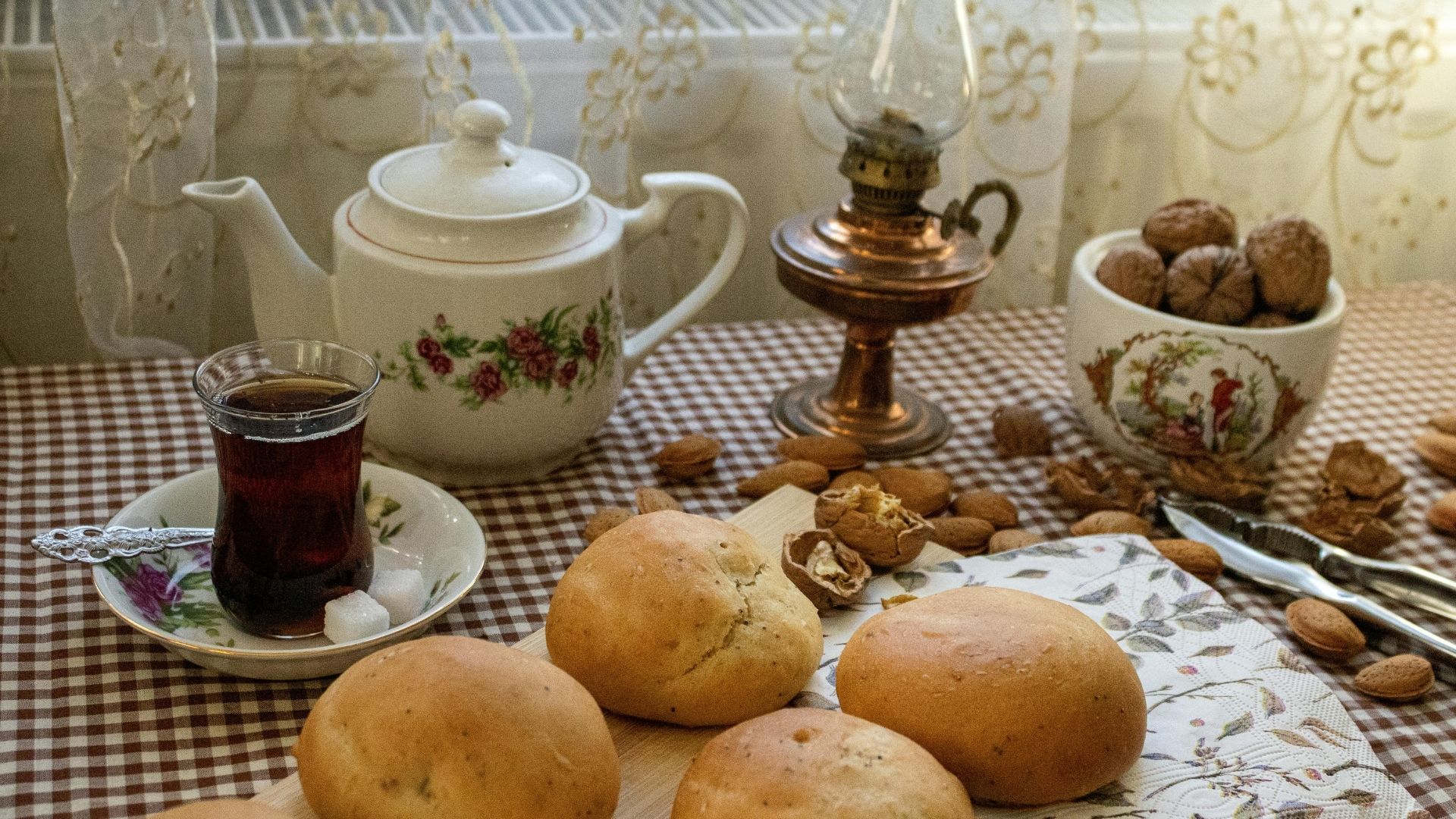
Discover the best afternoon tea Dubai has to offer from luxury hotels to waterfront lounges with elegant menus, skyline views, and refined bites.
Explore this curated guide to the best fine dining restaurants in Dubai focused on setting service and seasonal dining experiences!


.svg)