
.png)
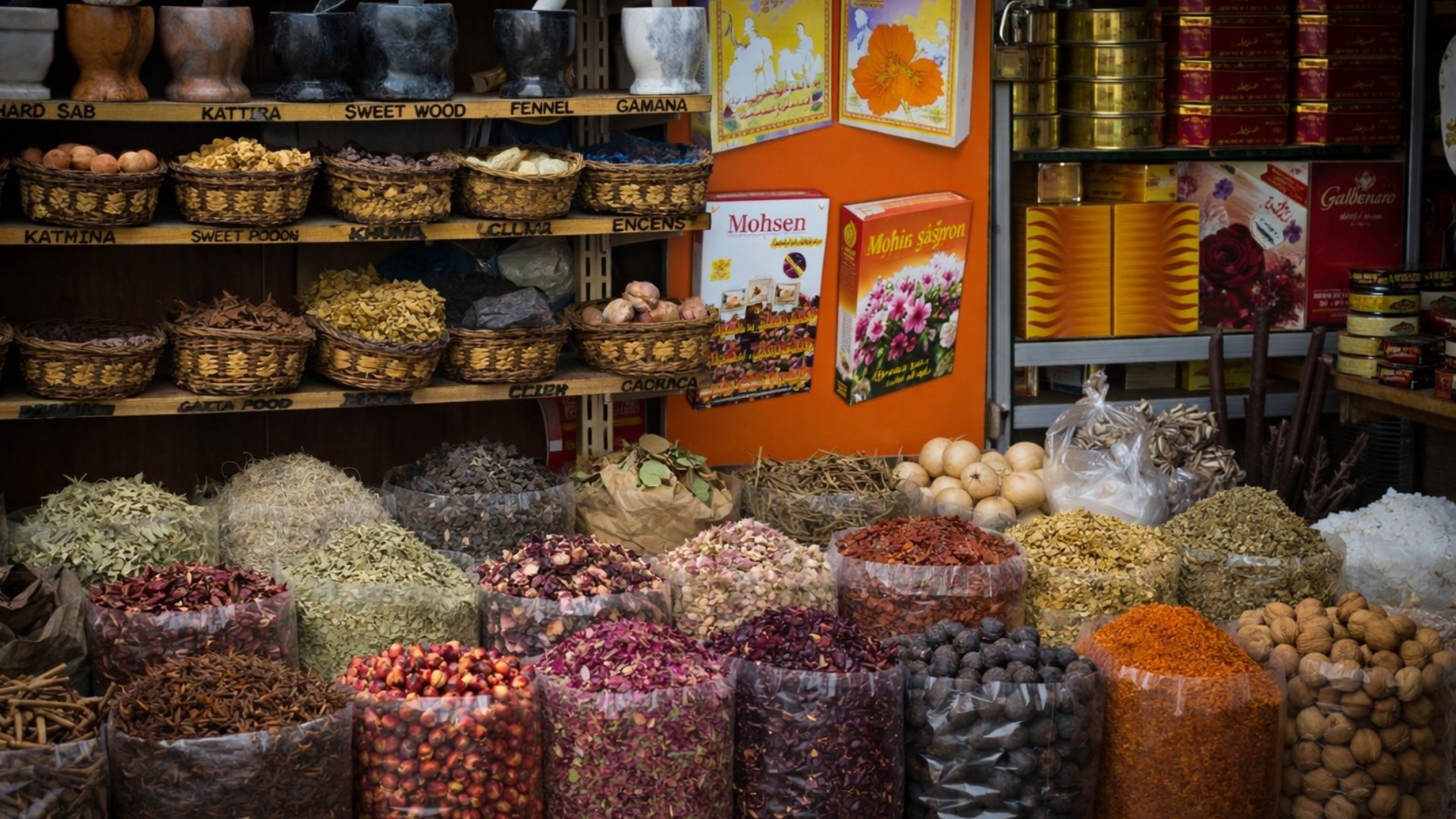
Before Dubai grew into a skyline of towers, it moved through trade that was smaller, slower, and far more personal. Along the banks of Dubai Creek, the Spice Souk began taking shape around the mid-1800s, where traders unloaded saffron, frankincense, dried limes, and other prized goods from wooden dhows arriving from India, Persia, and East Africa. What came off the boats travelled only a few steps, straight into the hands of merchants waiting in narrow, fragrant lanes.
By the early 1900s, Dubai’s decision to keep trade tax-free turned the souk into a busy regional stop. Burlap sacks of spices, herbs, and resins stacked high in the stalls, colouring the alleys with deep reds, golds, and earthy browns. Even as the city modernised around it, the souk remained largely untouched, quietly preserved rather than replaced.
Today, more than 200 stalls still operate here. The packaging may look more modern, but the experience hasn’t changed much. Spices are still scooped and weighed by hand, the air still carries that familiar mix of sweetness and heat, and the old creekside market continues to echo the trading spirit that helped shape Dubai in the first place.
At a Glance
The sensory pull of the Dubai Spice Souk is a deliberate journey into the city’s trading soul, where the air is thick with the scent of cloves and frankincense. Moving through these lanes offers a rare, tactile connection to heritage that transcends the modern mall experience, rewarding the curious with the region's finest harvests.
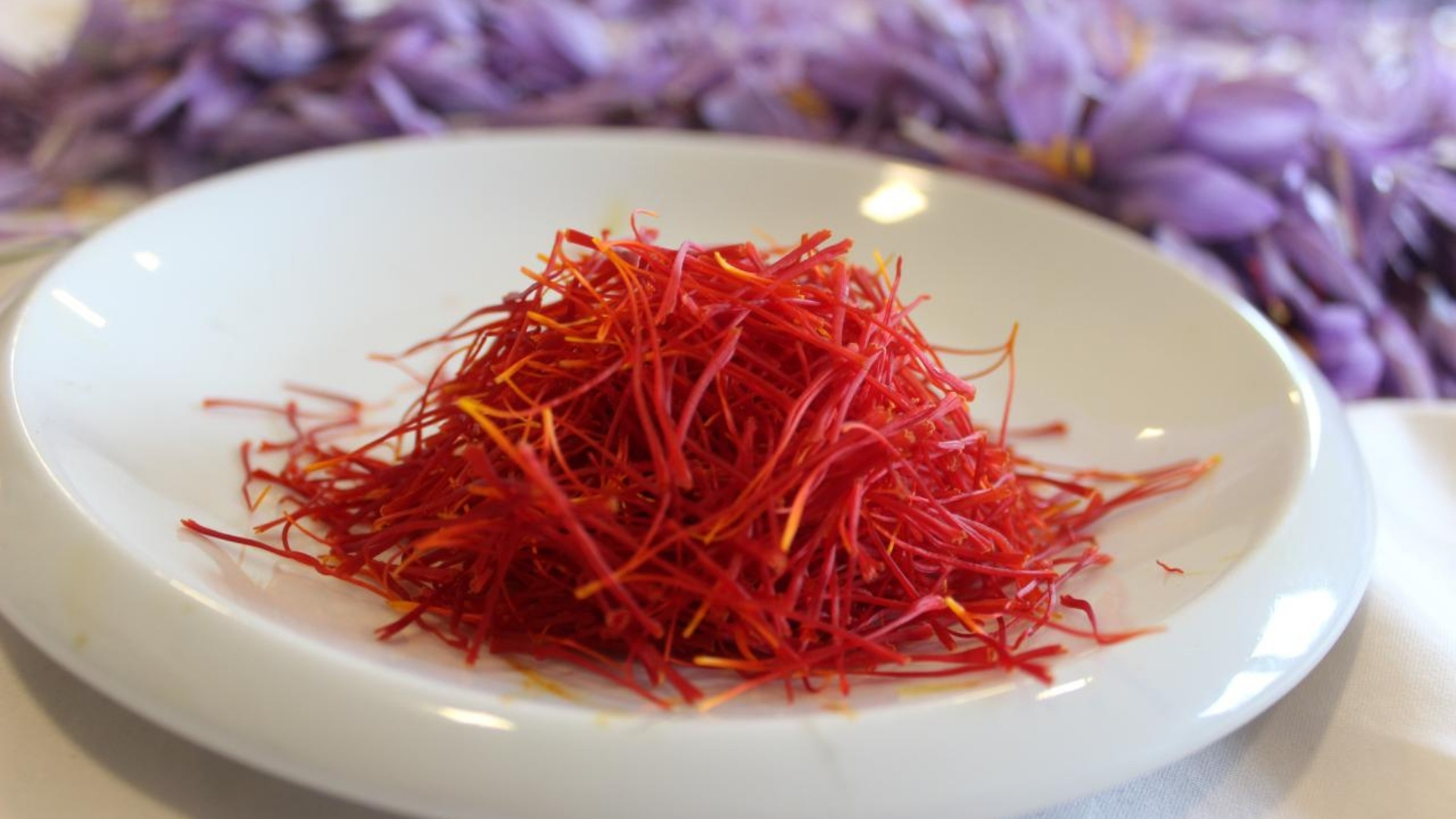
The Spice Souk is the premier destination for sourcing high-grade Saffron, specifically concentrated at the Creek bridge end. Shopping here requires a keen eye for the "float test" to ensure purity, as vendors offer everything from premium Iranian red stigmas to floral Kashmiri varieties at a fraction of export costs.
Market Prices (Haggled): AED 8 to AED 25 per gram; bulk 100g max AED 600.
Timings: Sat to Thu: 10 a.m. to 10 p.m.; Fri: 4 p.m. to 10 p.m. (Closed during prayer 1 a.m. to 4 p.m.).
Location: Al Ras, Baniyas St (Stalls 1 to 20, Al Nassr area).
Best Variations: Iranian red pure stigmas, Afghan budget, and Kashmiri floral.
Iranian Negin and Kashmiri floral represent the most expensive and potent "all-red" cut, while Afghan Sargol offers a robust aroma for budget-conscious culinary use.
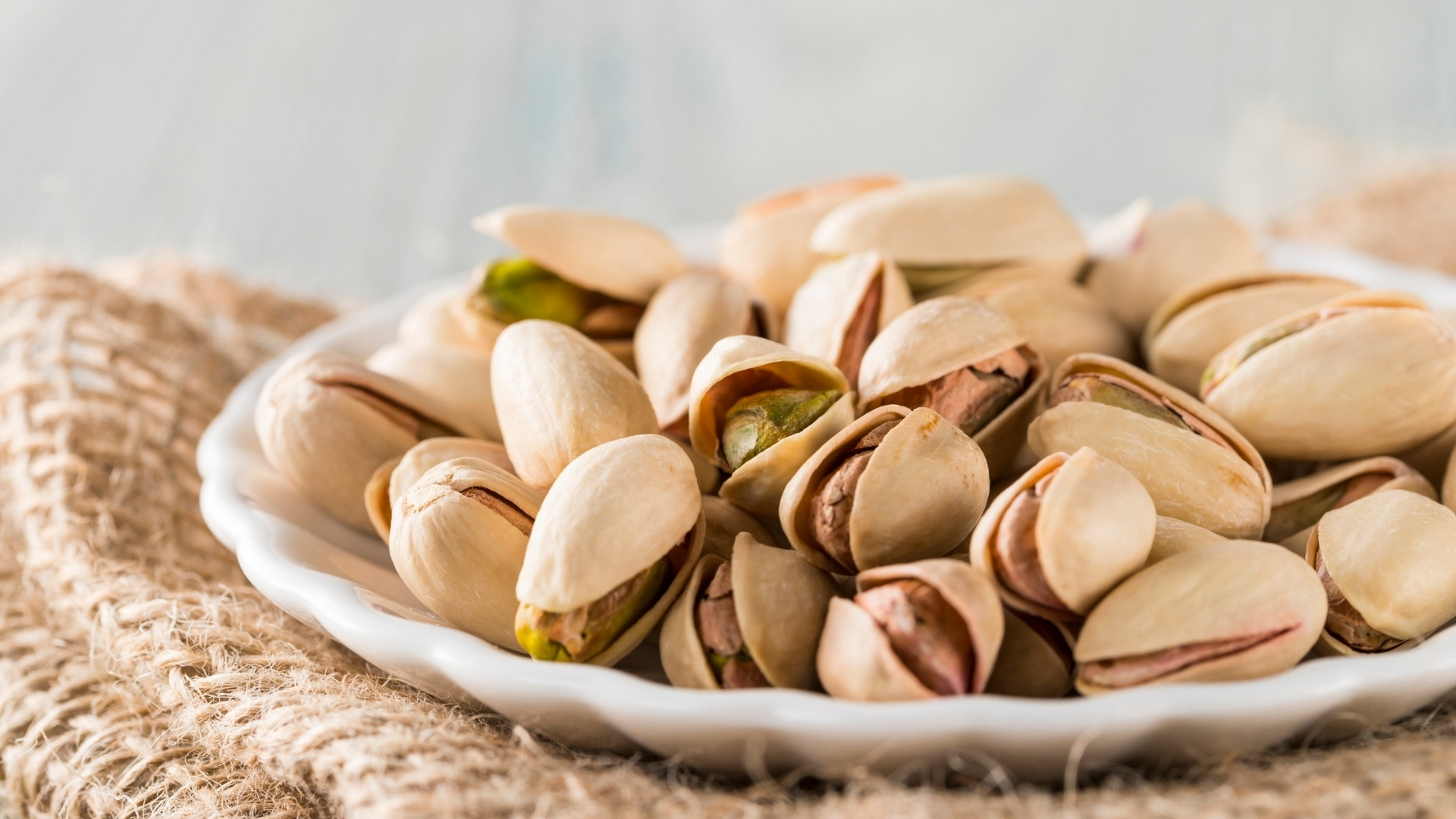
A visit to the central nuts lane reveals the sheer scale of the Spice Souk’s nut trade, dominated by fresh-roasted Iranian and Californian stocks. Buyers should prioritise the "aroma test" for freshness and take advantage of free vacuum sealing for any purchases exceeding 5kg.
Market Prices (Haggled): AED 35 to AED 70 per 250g; AED 120 to AED 200 per kg.
Location: Central Nuts Lane (Stalls 25 to 50).
Best Variations: Iranian supreme green (salted/roasted) and Californian jumbo.
Iranian Supreme Green kernels are prized for their intense emerald hue in confectionery, whereas Californian Jumbo varieties are preferred for salted snacking.
Also read: Best Cultural Places to Visit in Dubai
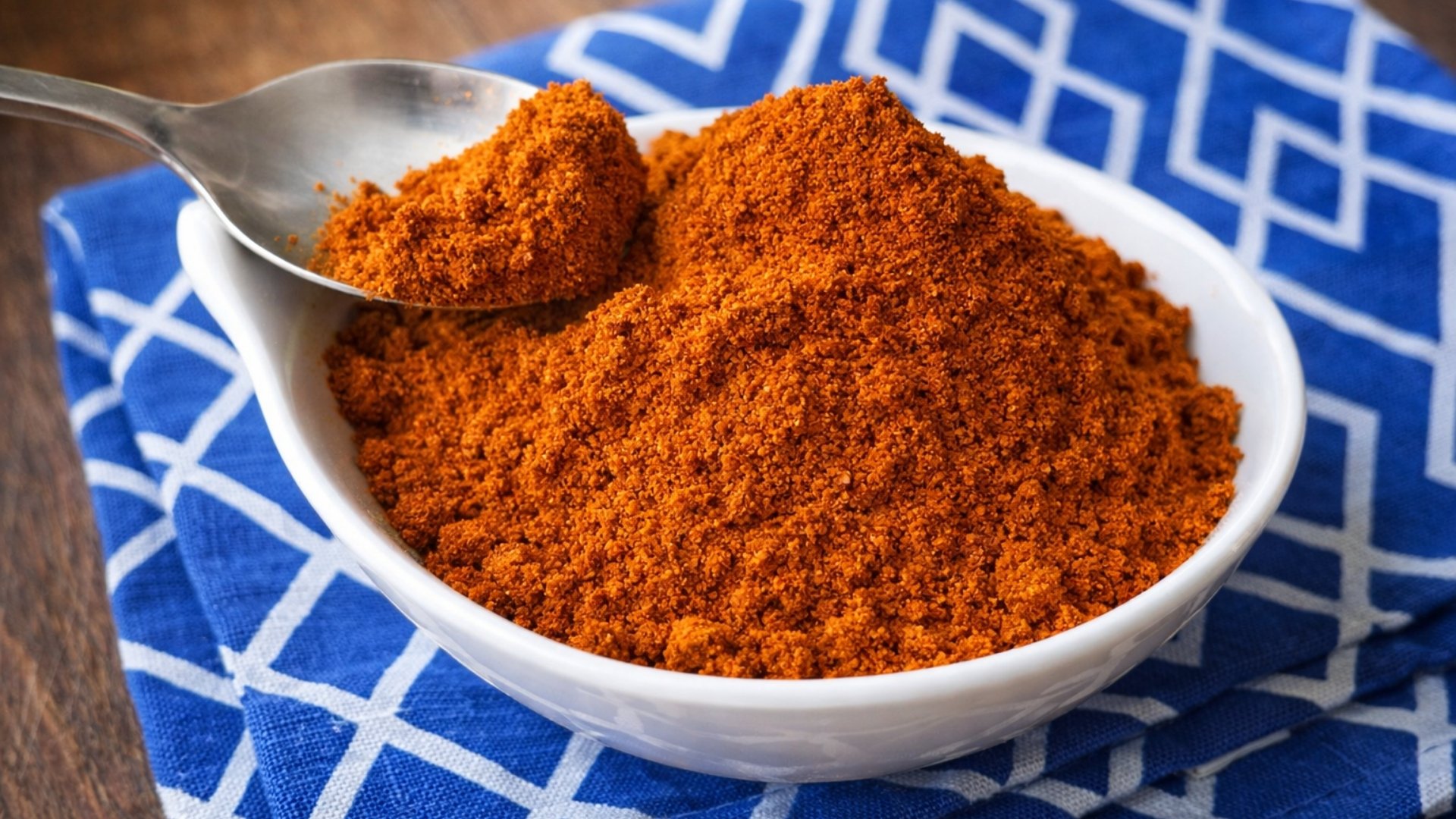
The Spice Souk provides a rare opportunity to witness the custom blending of traditional Arabic BBQ and Levantine mixes at the main alley terminus. These proprietary 7-spice blends are far more potent than supermarket alternatives, with vendors often willing to adjust the heat or spice ratios to a specific recipe.
Market Prices (Haggled): AED 6 to AED 18 per 100g; AED 35 to AED 75 per kg.
Location: Main alley terminus (Stalls 55 to 75).
Best Variations: UAE traditional, Saudi spicy, and Levantine mild.
The UAE traditional blend emphasises black pepper and cloves for slow-cooked meats, while the Saudi version often incorporates a sharper chilli kick.
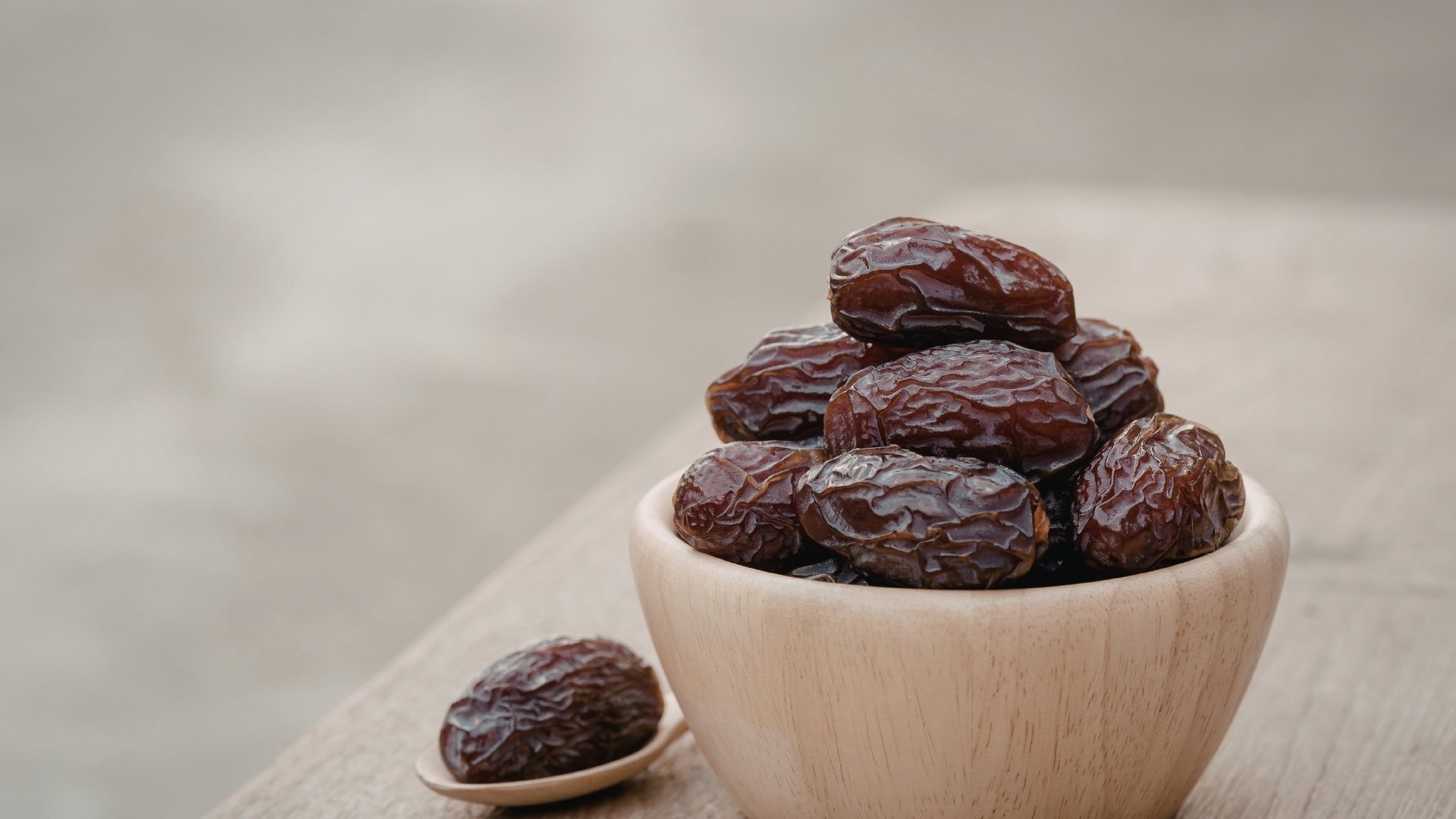
Strategically located in the specialist date row, the Spice Souk offers immediate access to the region’s most sought-after golden and black premium fruits. While gift boxes are available, savvy shoppers buy loose Egyptian or Saudi Ajwa by the kilogramme to ensure they are getting the freshest, non-sticky stock available.
Market Prices (Haggled): AED 18 to AED 40 per kg; gift boxes AED 40 to AED 60.
Location: Date specialist row (Stalls 80 to 100).
Best Variations: Saudi Ajwa black premium, golden yellow, and Egyptian.
Saudi Ajwa dates are sought for their raisin-like texture and historical significance, while large Medjools provide a buttery, caramel-heavy flavour profile.

Navigating the back alleys of the Spice Souk allows shoppers to distinguish between therapeutic and regular grades of Omani green resin. Sellers here encourage "burn tests" to verify the purity of the sap, offering substantial discounts for bundles that include traditional burner sets.
Market Prices (Haggled): AED 8 to AED 55 per 100g; burner sets AED 80 to AED 180.
Location: Back incense alleys (Stalls 105 to 130).
Best Variations: Omani green therapeutic and white Somali sweet.
Omani Hojari is the highest therapeutic grade for water-infusion or high-end burning, while Somali White is used for a sweeter, daily home fragrance.
In these narrow alleys, where the air is heavy with frankincense, and the deals are made over a handshake, a simple afternoon of discovery becomes a quiet, essential chapter in the broader story of Festivals of Dubai.
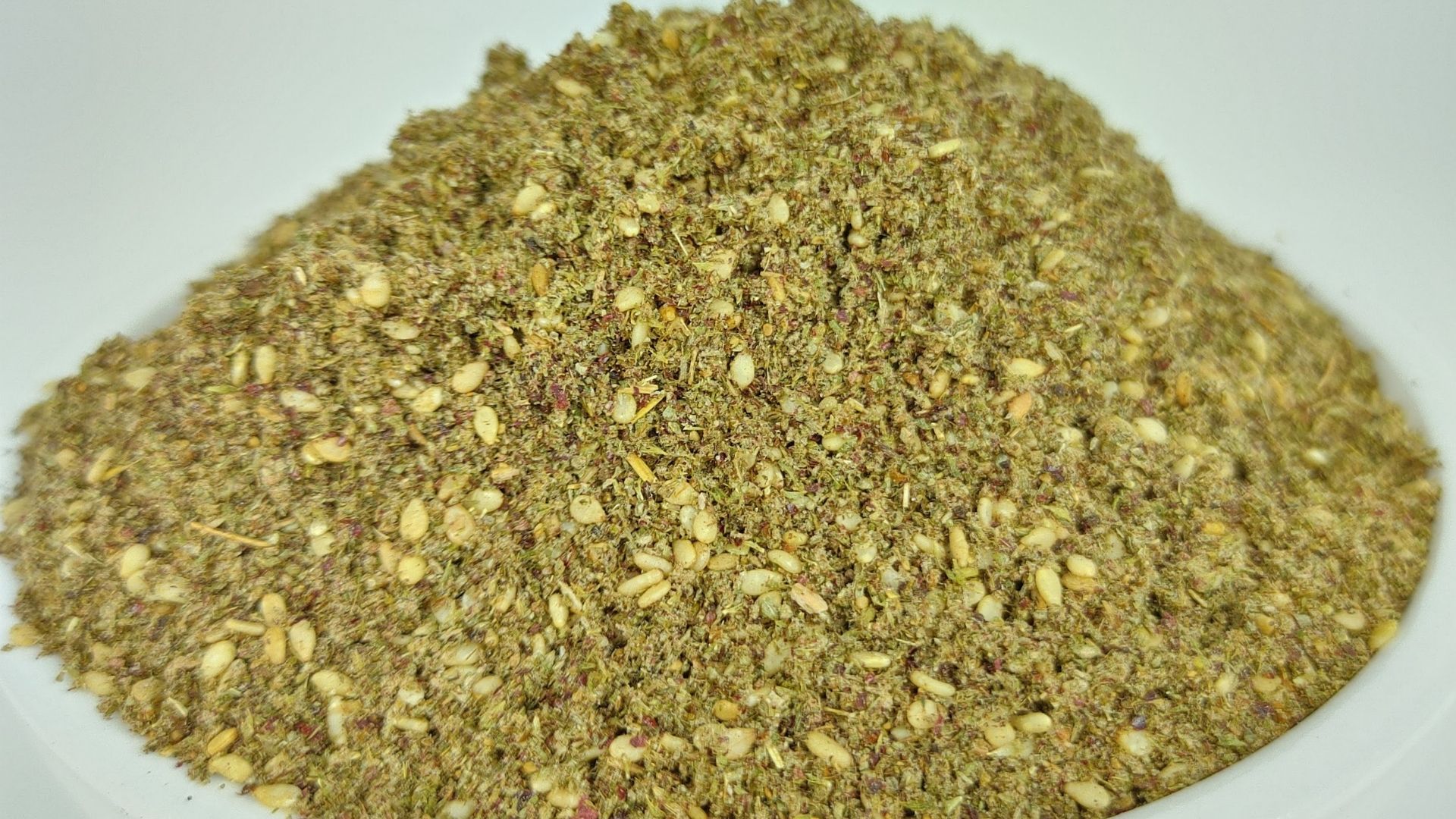
The spice blend section of the Spice Souk is defined by the vibrant green of fresh Lebanese wild thyme. Quality is determined by colour and the ratio of sesame to sumac, with the market offering specialised oil-infused versions that serve as a staple for regional breakfasts.
Market Prices (Haggled): AED 8 to AED 22 per 100g; infused AED 15 to AED 28.
Location: Spice blend section (Stalls 45 to 65).
Best Variations: Lebanese wild thyme and Jordanian sesame-heavy.
Lebanese wild thyme blends are heavy on dried hyssop for an earthy punch, whereas Jordanian styles use more toasted sesame for a nuttier finish.
After picking up fresh za’atar blends from the souk, letting those flavours carry into the evening over a relaxed meal at DOORS Dubai feels like a natural extension of the day’s discoveries.
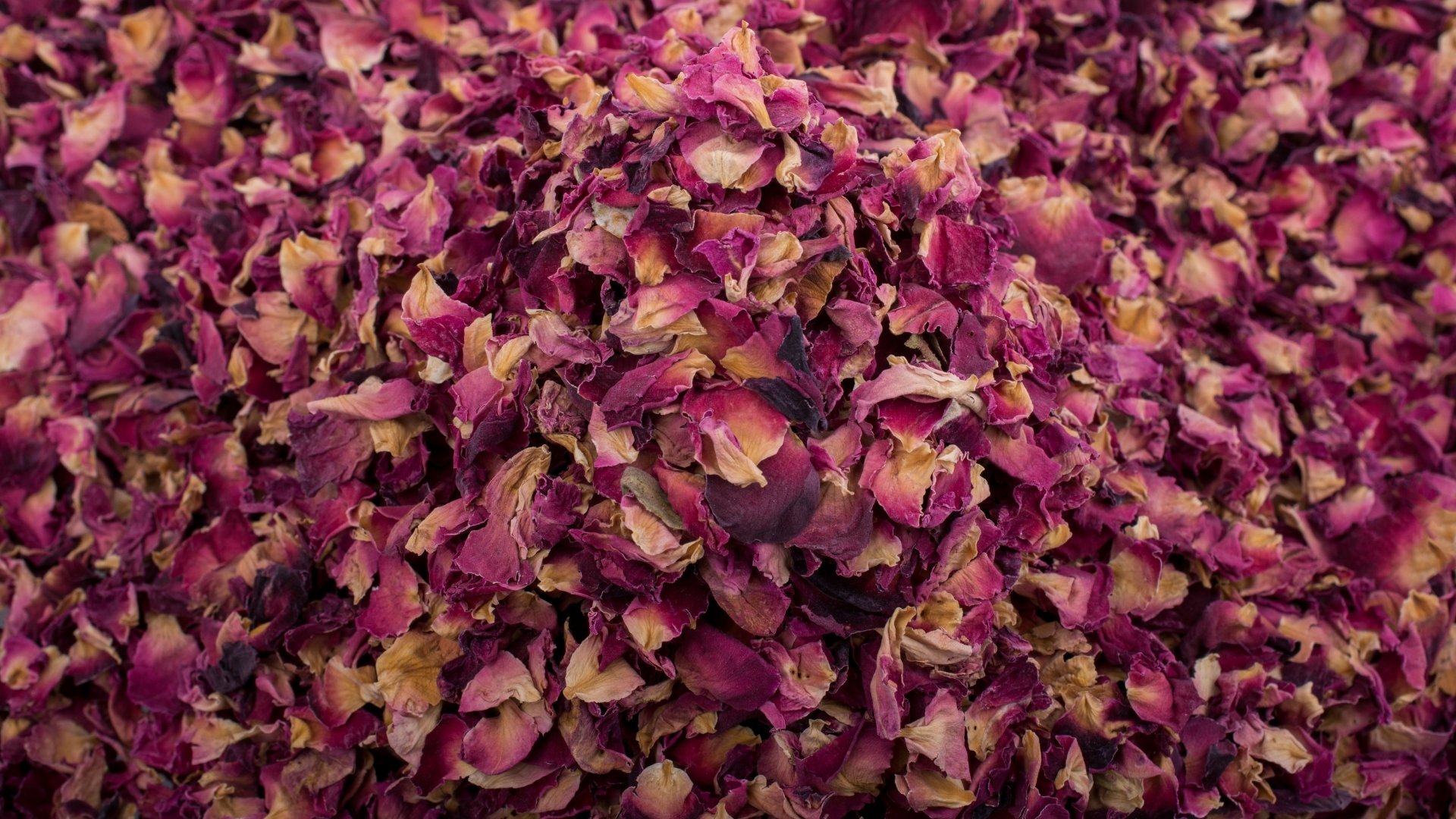
Found near the tea and herb entrance, the Spice Souk's stock of Damask and Turkish rose petals is essential for those looking to recreate signature Gulf teas. The petals are sold dried and loose, and checking for a strong, natural floral aroma is the primary indicator of a recent harvest.
Market Prices (Haggled): AED 12 to AED 30 per 50g.
Location: Tea/herb entrance (Stalls 5 to 25).
Best Variations: Persian Damask and Turkish Isparta.
Persian Damask buds provide a deep, concentrated oil content for brewing, while Turkish Isparta petals are lighter and better suited for garnishing desserts.

For those seeking the lemony tartness of fresh Fattoush salads, the Spice Souk specialists offer vibrant red Lebanese sumac that outperforms pre-packaged retail brands. Freshness is key here; the more vibrant the red, the higher the quality of the lemony tang.
Market Prices (Haggled): AED 7 to AED 16 per 100g.
Location: Spice specialist section (Stalls 65 to 85).
Best Variations: Lebanese vibrant red and Turkish lemony.
Lebanese vibrant red is processed with minimal salt to retain its pure acidic bite, while Turkish variations often have a coarser, darker grind for meat rubs.
From morning shopping in Deira to dinner Downtown, DOORS Dubai offers a calm way to close the day.
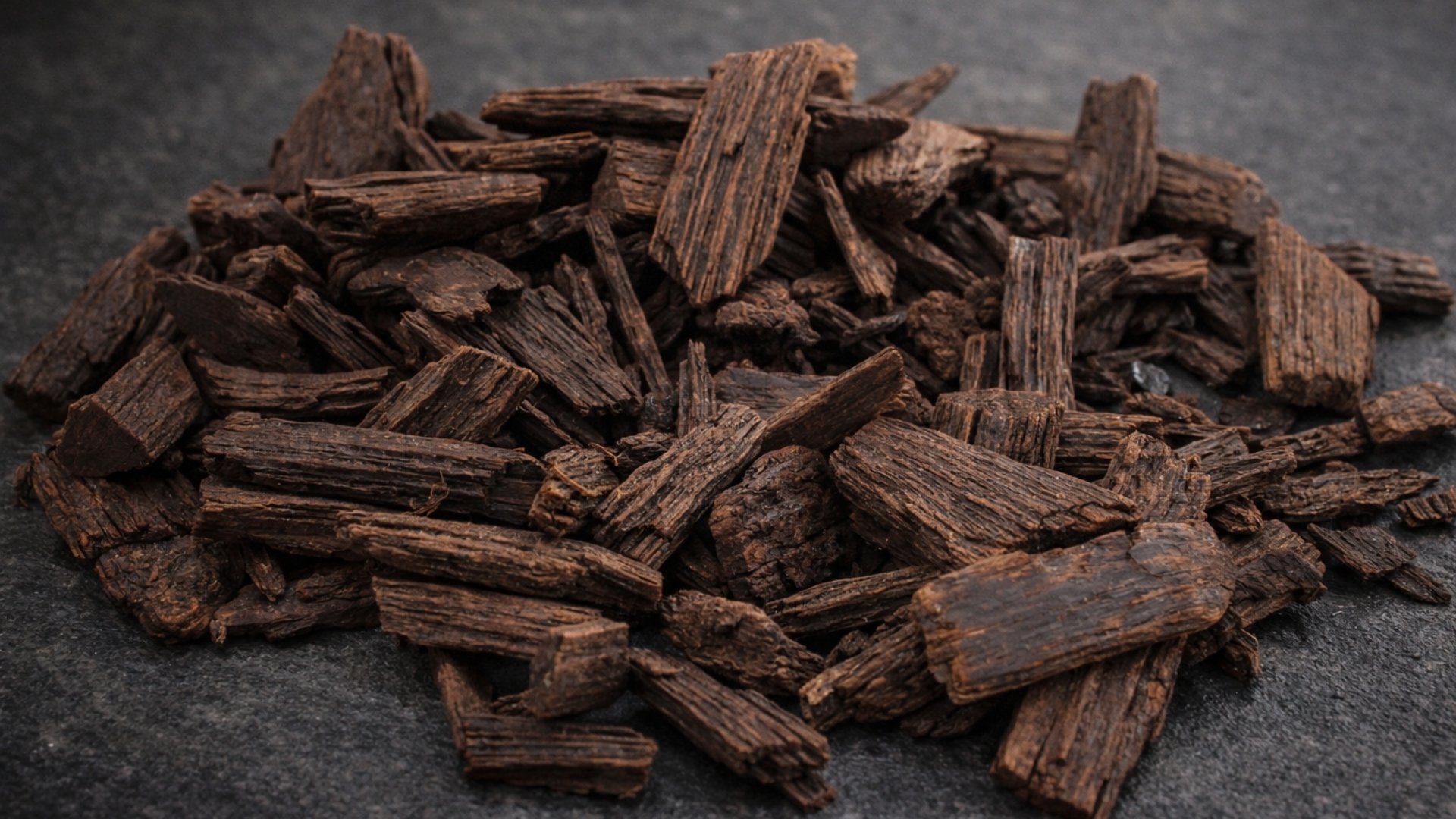
The incense backstreet within the Spice Souk is a sensory-heavy zone specialising in Aoud and sandalwood chips. It is the best place to find starter sets for travellers, featuring high-performance charcoal and premium oud that has been a mainstay of Emirati home hospitality for generations.
Market Prices (Haggled): AED 18 to AED 45 per 50g; charcoal sets AED 70 to AED 120.
Location: Incense backstreet (Stalls 135 to 160).
Best Variations: Aoud heavy, sandalwood light, and oud premium.
Aoud-heavy chips offer the classic, deep musky scent of the Gulf, while Sandalwood-infused light chips provide a softer, creamy aroma for smaller spaces.
Also read: Traditional Henna: History and Cultural Significance

The herbal cluster in the Spice Souk focuses on large sacks of Egyptian tart red hibiscus, perfect for brewing cold teas. Vendors often mix these with cinnamon or other dried florals, providing a high-volume, low-cost base for iced tea enthusiasts.
Market Prices (Haggled): AED 10 to AED 28 per 100g.
Location: Herbal cluster (Stalls 30 to 45).
Best Variations: Egyptian tart red and Sudanese floral.
Egyptian "Red Tea" flowers are the gold standard for tartness and colour, while Sudanese varieties offer a more delicate, floral tea profile.
The Dubai Spice Souk remains one of the few places where the city’s trading roots are still part of daily life. Between the scent of ground spices, baskets of dried fruit, and the steady rhythm of bargaining, it offers a glimpse into how Dubai first grew through commerce, craftsmanship, and connection across continents.
After wandering its narrow lanes and creekside paths, the experience naturally shifts from shopping to slowing down. A short drive away, evenings at DOORS Dubai provide a contrasting setting, where waterfront views and thoughtfully curated menus turn the end of the day into something more relaxed and refined.
For those who prefer their city days to close with comfort rather than crowds, a lakeside table overlooking the fountain offers a seamless way to transition from the energy of old Dubai to the elegance of its modern heart.
1. Is the Dubai Spice Souk cash-only, or are cards accepted?
Most stalls still prefer cash, especially for smaller purchases and negotiated deals. A few larger shops accept cards, but cash almost always secures better prices.
2. Can spices and incense bought at the souk be taken through airport security?
Yes. Dry spices, nuts, teas, and incense are allowed in both carry-on and checked luggage. Many vendors offer vacuum sealing or airtight packaging to prevent spills and preserve freshness.
3. Are the products at the Spice Souk locally grown or imported?
Most goods are imported, reflecting historic trade routes. Saffron typically comes from Iran and Afghanistan, nuts from Iran and the US, dates from Saudi Arabia and Egypt, and herbs from the Levant and North Africa.
4. How long does a typical visit to the Spice Souk take?
A quick walk-through takes about 30 minutes, while shoppers comparing prices, sampling goods, and bargaining often spend 1 to 2 hours exploring.
5. Is it safe for solo travellers and families to visit the Spice Souk?
Yes. The souk is a busy, tourist-friendly market during operating hours, with constant foot traffic and nearby police presence typical of major Dubai attractions.

Explore Al Quoz Dubai! Discover its prime location with easy access, vibrant Alserkal Avenue, and unique dining scene. Click for more!
Discover the Dubai Spice Market's must-buy spices like saffron, cardamom, and sumac. Visit smartly and master haggling. Plan your spice adventure now!


.svg)