
.png)
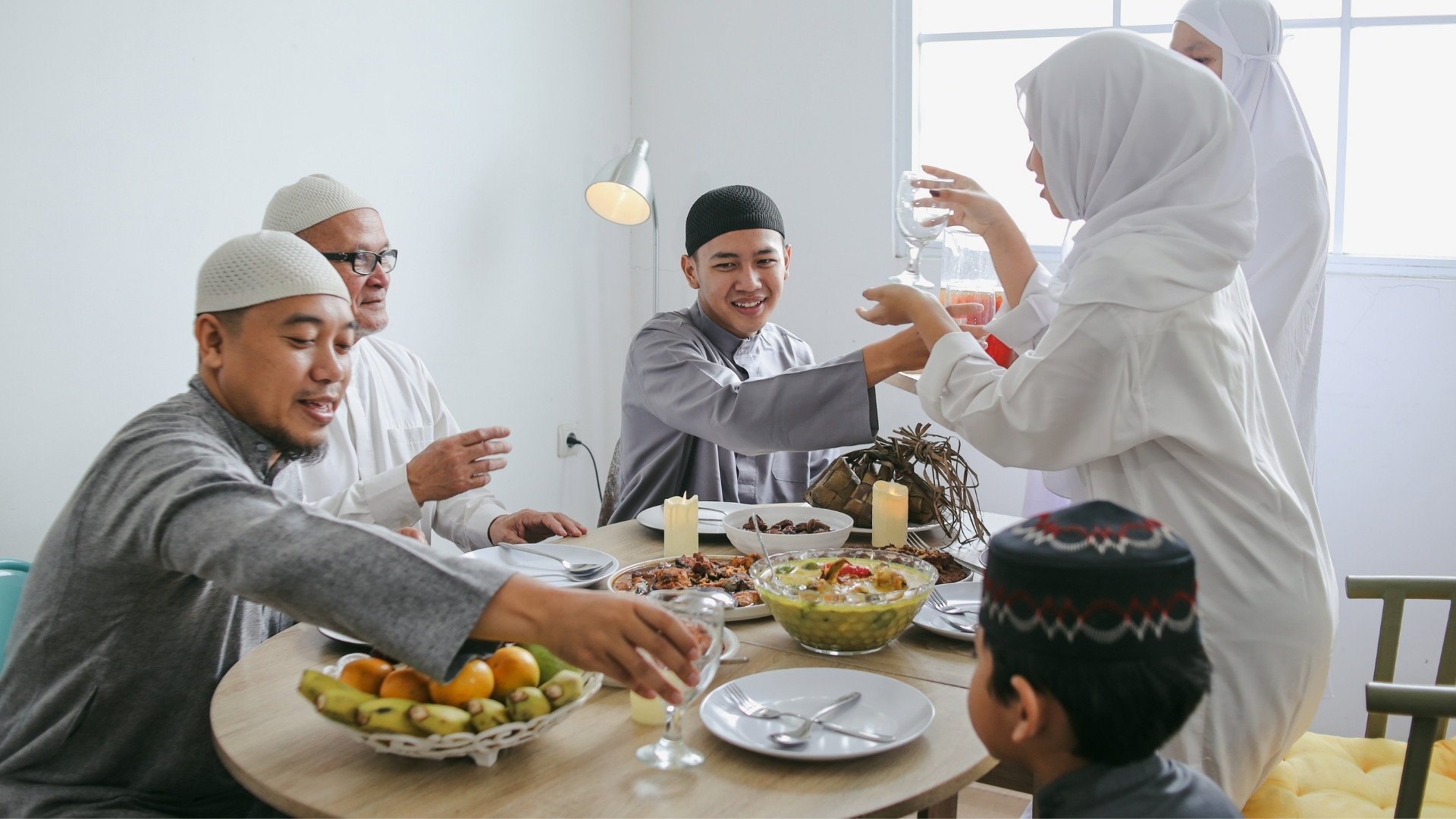
In Dubai, Ramadan reshapes the day in practical ways. In 2026, the holy month is expected to begin around 18 to 19 February 2026, subject to moon sighting, and run through mid-March. Fasting is observed from dawn to sunset, with iftar taking place at maghrib, usually between 6:15 p.m. and 6:30 p.m.
During this period, the city adjusts its rhythm, with restaurants, hotels, and public spaces preparing specifically for the evening meal. As sunset approaches, familiar rituals take over. Dates and water are served first, followed by soups, warm breads, rice dishes, and grilled meats prepared for sharing.
Ramadan tents, majlis settings, and night markets across Dubai rely on soft lighting, slower service, and communal seating to support the moment. The call to prayer signals not just the end of the fast but also a collective pause that the city observes.
The most meaningful iftar gatherings depend on choice and setting. Whether held in a hotel tent, a market, or a dining space, they work best when timing, comfort, and the menu align, allowing the evening to unfold without urgency.
At a Glance:
Large shared iftars often mean queues at sunset, crowded tables, and food arriving before there’s space to sit. The moment passes quickly when timing slips.
A few places manage it better by designing the flow, seating, and service around Maghrib. Choose spaces that control pace, seat guests early, and let the table settle before the first bite.

Located on Level 4 of Fashion Avenue, DOORS Dubai offers a sophisticated alternative to the traditional tent, focusing on a refined Turkish-Japanese fusion. Under the guidance of internationally acclaimed Chef Kemal Çeylan, the menu is a masterclass in fire-based cooking, featuring premium Wagyu (9+ grade), succulent steaks, and traditional Anatolian dishes.
The 12,000 sq. ft. space is designed for "royal-like" elegance, featuring an outdoor terrace that provides one of the highest vantage points of the Dubai Fountain and Burj Khalifa.
It is an ideal spot for those who want their Iftar grounded in high-end grilling rather than a standard buffet, all while staying connected to the energy of Downtown Dubai.
For those seeking a more private close to the evening, the Presidential Table offers a 17-course experience with personal butler service. Each course is presented with ceremony, and time is given fully to the table.

A staple of the Dubai Ramadan calendar, the Asateer Tent returns for 2026 with an increased capacity of 1,730 guests and a focus on rotating culinary themes like Persian and Khaleeji nights.
While the scale is vast, the experience is grounded by Chef's live-fire cooking. This is specifically the charcoal-grilled kebbeh sajieh and whole spit-roasted lamb served with fresh saj.

The Madinat Jumeirah Majlis offers a refined take on the season, split between the opulent indoor Al Majlis and the open-air Al Majlis Garden. The draw here is the combination of Jumeirah’s service and the authentic live grill stations, where the smoke from the mixed grills and slow-cooked lamb ouzi drifts across the famous waterways and Burj Al Arab views.
Also Read: Palm Jumeirah Beyond the Ordinary

For a more intimate alternative to Dubai’s mega-tents, the Four Seasons Resort Jumeirah offers a beachfront Majlis that balances luxury with heritage. The menu centres on premium live stations and roasted lamb, with a focus on the precision of the char and traditional Arabian spices.
Also Read: What to Do with Kids in Dubai Beyond the Obvious

The "Terrace Between the Towers" offers a sophisticated Iftar with a direct view of the Museum of the Future. This urban gathering is defined by its live fire stations, where the scent of charcoal-grilled seafood and slow-roasted lamb ouzi anchors the experience.
Experiences like this show how dining, setting, and everyday choices shape life in the city; an idea explored further in The Joy of Living in Dubai.

Located at the Dubai World Trade Centre (DWTC), the Ramadan Night Market is the city’s largest post-fast gathering. While primarily a shopping and heritage destination with over 100 stalls, the food is a significant draw, focusing on "street-style" Iftar and Suhoor.
The air here is thick with the scent of open-air grilling from various kiosks, offering everything from traditional Emirati kebabs to spiced corn on the cob.
Evenings like this show how Dubai’s night markets turn food and wandering into the main event; something explored further in Dubai Night Market Evenings: Where to Go, What to Try.

Expo City Dubai transforms into a cultural neighbourhood for 2026, anchoring its celebrations around Al Wasl Plaza. The "Hai Ramadan" experience is ideal for those who prefer a social, free-flowing evening over a formal sit-down meal.
The highlights are the live food carts and artisanal stations, where traditional grilling techniques are used to prepare portioned dishes like spiced skewers and slow-cooked meats.

Ground your Ramadan experience in history at Al Seef. This waterfront market specialises in a "back-to-basics" approach where the scent of burning coal and slow-cooked meats fills the heritage district. The market features lantern-lit pathways and the "Ramadan Reflections" light show, creating an atmosphere that feels truly anchored in old Dubai.
Experiences like this sit within a wider seasonal rhythm; one shaped by music, markets, and shared evenings across the city, as seen in the Festivals of Dubai.
At its core, iftar is not about how much is served, but how the moment is held. It begins quietly, with dates, water, and the first shared dishes, and unfolds through conversation, patience, and time given back to the table. The most memorable iftars in Dubai are those that respect this, where space, service, and food work together rather than compete for attention.
Across the city, some settings naturally allow that ease. They seat guests before sunset, pace the meal gently, and create room for the evening to stretch beyond the first bite. DOORS Dubai fits seamlessly into this progression, offering an iftar that moves from fire-led cooking to calm views, without the urgency of a buffet or the noise of a crowd.
When the intention is to gather, stay, and let the night unfold, the right table tends to reveal itself; often waiting quietly above the city, ready when you are.
1. When does Ramadan and iftar begin in Dubai in 2026?
Ramadan in Dubai is expected to begin around 18 to 19 February 2026, subject to moon sighting. Iftar takes place at maghrib, usually between 6:15 p.m. and 6:30 p.m. during the month.
2. What are the best places for iftar in Dubai in 2026?
Notable iftar venues include DOORS Dubai, Asateer Tent at Atlantis The Palm, Madinat Jumeirah Ramadan Majlis, Four Seasons Resort Jumeirah Majlis, and large-scale options like Expo City Dubai Ramadan Market and Al Seef Night Market.
3. Why do shared iftar spaces in Dubai get crowded at sunset?
Large tents and markets often seat hundreds of guests at once. Queues, delayed seating, and buffet traffic can make the moment feel rushed if the space is not designed around maghrib timing.
4. Is DOORS Dubai suitable for a quieter iftar experience?
Yes. DOORS Dubai offers seated service, fire-led cooking, Fountain views, and private options like the VVIP Majlis and 17-course Presidential Table, making it suited for a more composed iftar.
5. What should you look for when choosing iftar restaurants in Dubai?
Look for places that seat guests before sunset, manage service pace, and offer menus designed for sharing. Settings like DOORS Dubai and structured majlis tents tend to provide a calmer iftar experience.
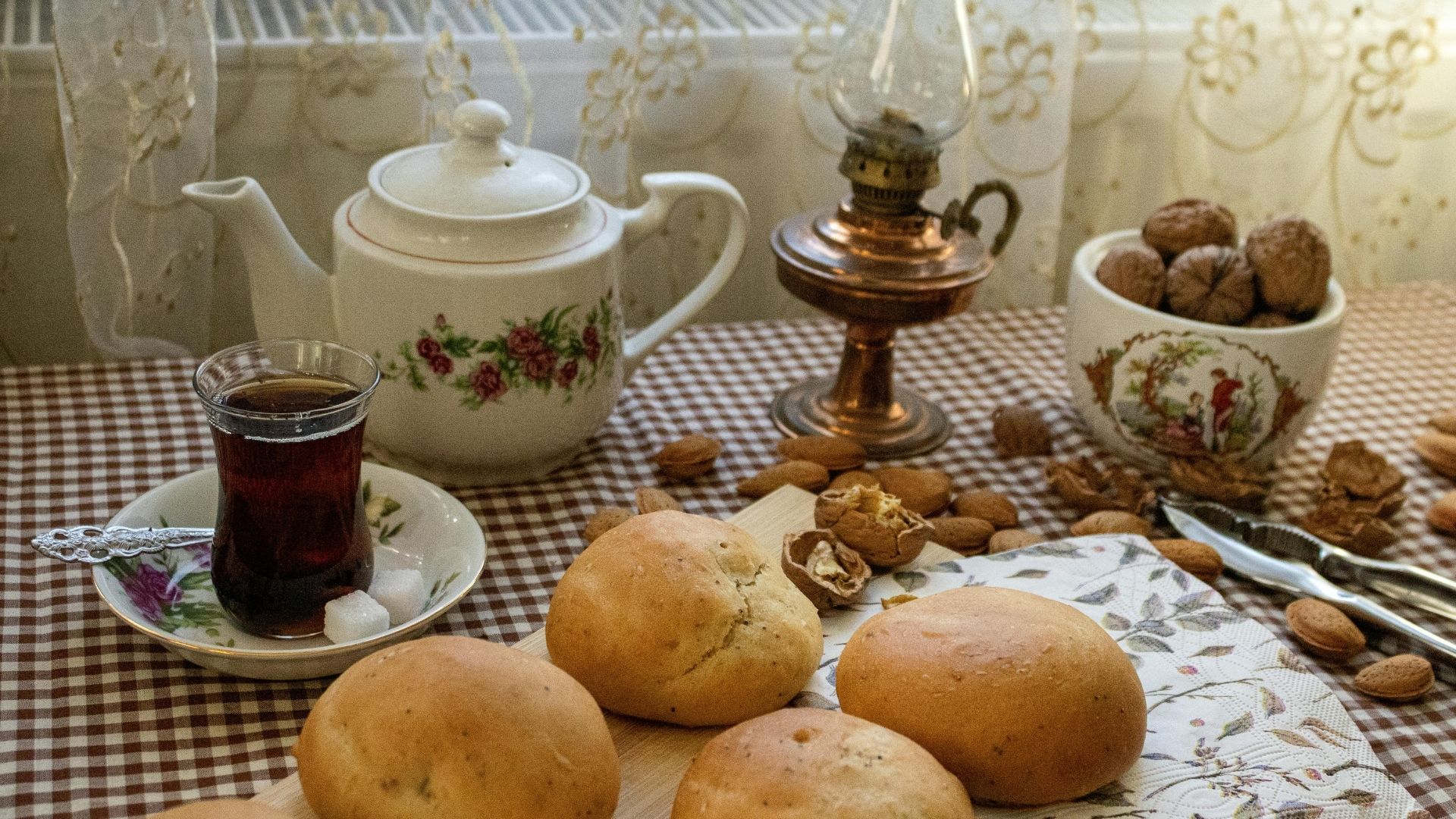
Discover the best afternoon tea Dubai has to offer from luxury hotels to waterfront lounges with elegant menus, skyline views, and refined bites.
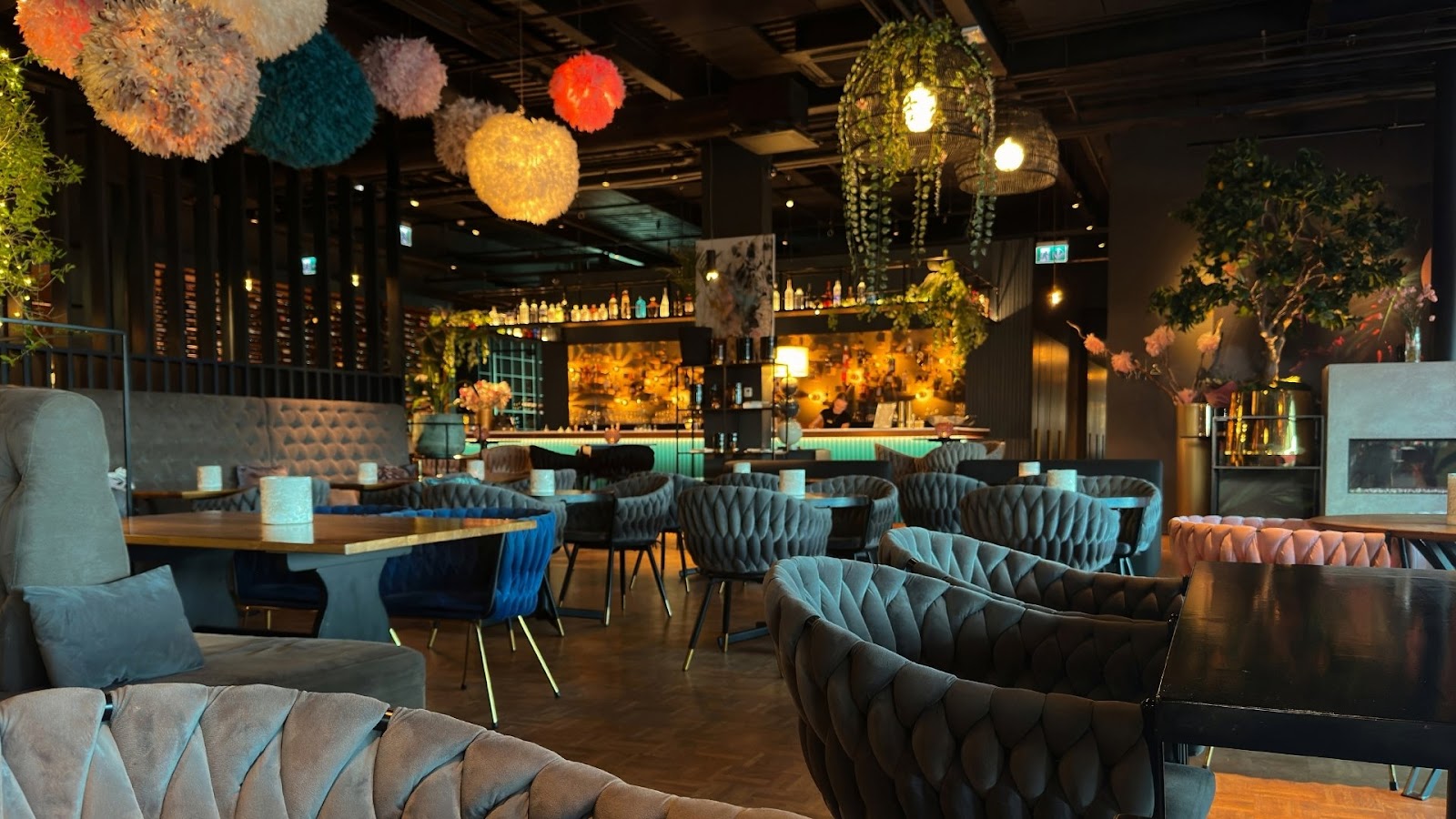
Explore this curated guide to the best fine dining restaurants in Dubai focused on setting service and seasonal dining experiences!


.svg)