
.png)
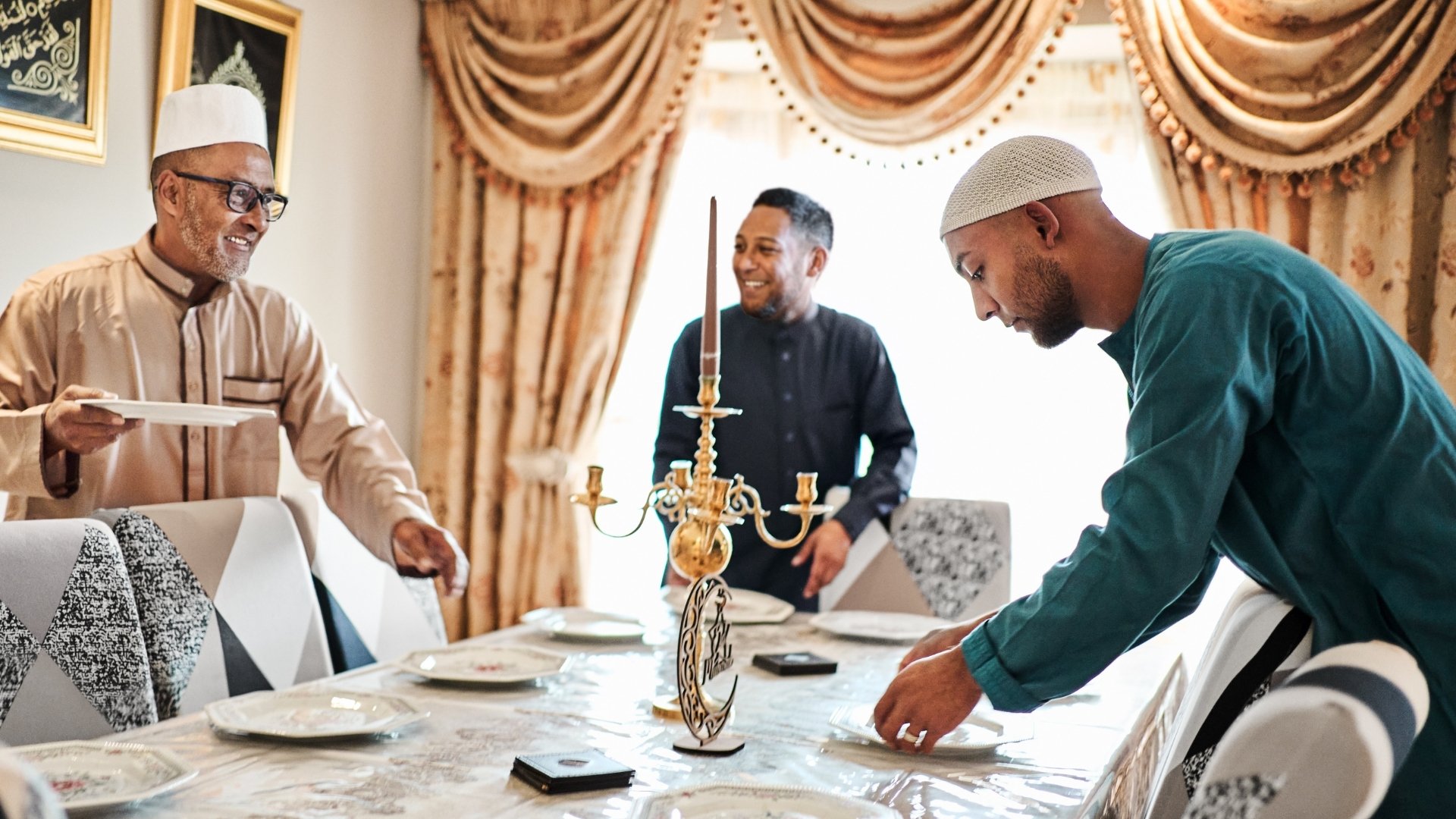
Eid al-Fitr in Dubai often arrives quietly before it fills the calendar. Dates shift with the moon sighting, plans wait on official confirmation, and families balance prayers, travel, and gatherings across a long weekend expected to fall around Friday, March 20, 2026. What looks like a break on paper is, in reality, a carefully timed return to togetherness after Ramadan.
The city changes pace almost overnight. Dawn prayers echo through mosques, homes fill with the scent of sweets like ma’amoul, and tables are reset for the first daylight meal in weeks. By evening, fireworks light the skyline, malls hum later than usual, and conversations stretch longer, carried by relief as much as celebration.
A well-spent Eid in Dubai depends less on excess and more on intention. Choosing when to gather, where to eat, and how to move through the city shapes the experience. When prayers, meals, and moments are aligned, Eid settles into its rhythm; measured, meaningful, and shared.
At a Glance:
Eid in Dubai changes the way the city behaves. Roads fill earlier, malls stay open later, and plans stretch across several days instead of hours. Being aware of what’s happening makes the difference between moving with the flow and working around it.
Knowing when to step out, where crowds gather, and which places are best enjoyed slowly rather than squeezed into a busy day helps the experience feel considered.
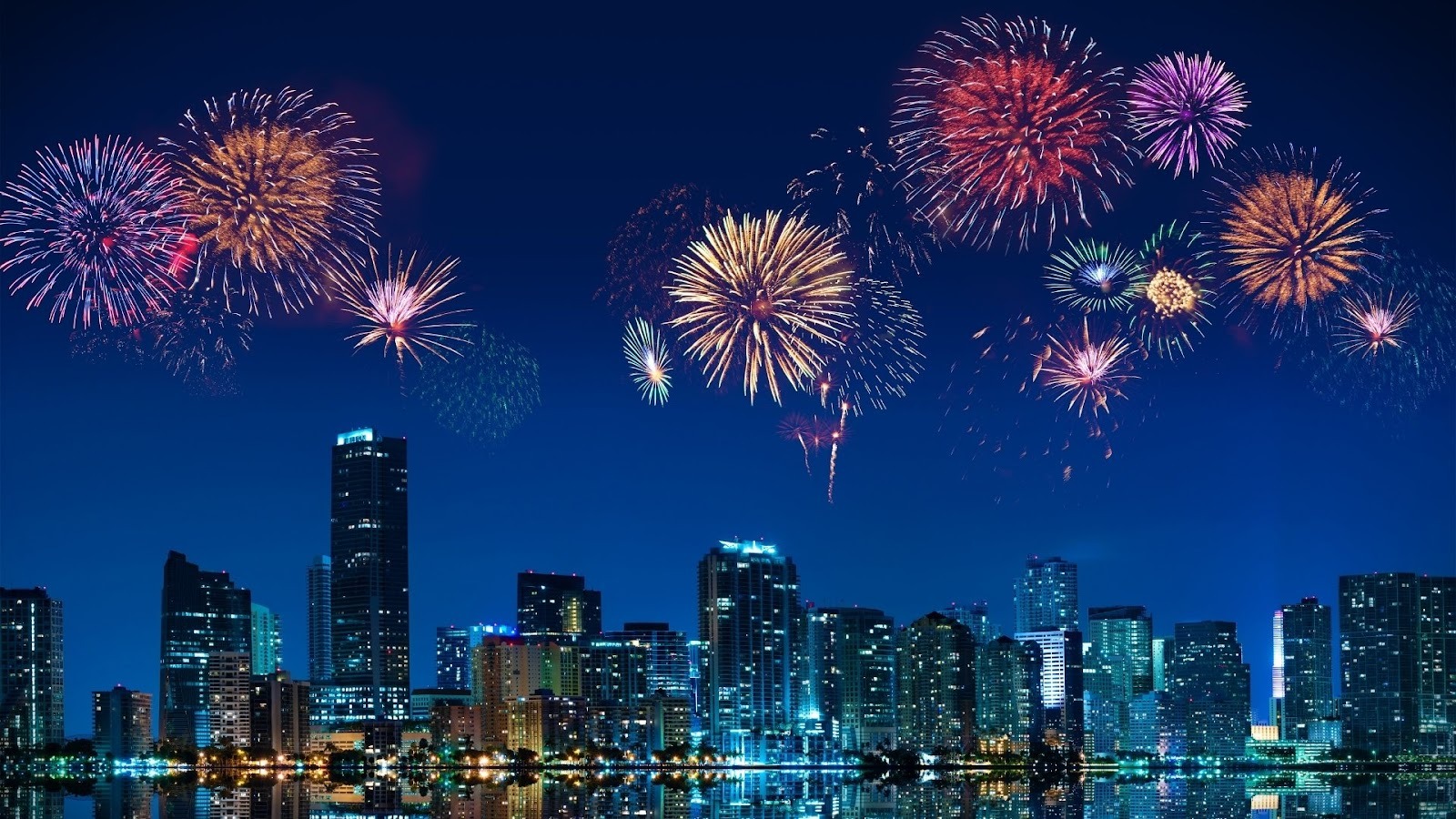
Fireworks, performances, and late-night shopping set the tone for Eid al-Fitr in Dubai, turning familiar landmarks into shared gathering points. Families and visitors move between waterfronts, malls, and entertainment hubs as the city stays active well into the night.
What defines Eid celebrations across Dubai:
Also Read: Iftar Gatherings that Ground Dubai in 2026
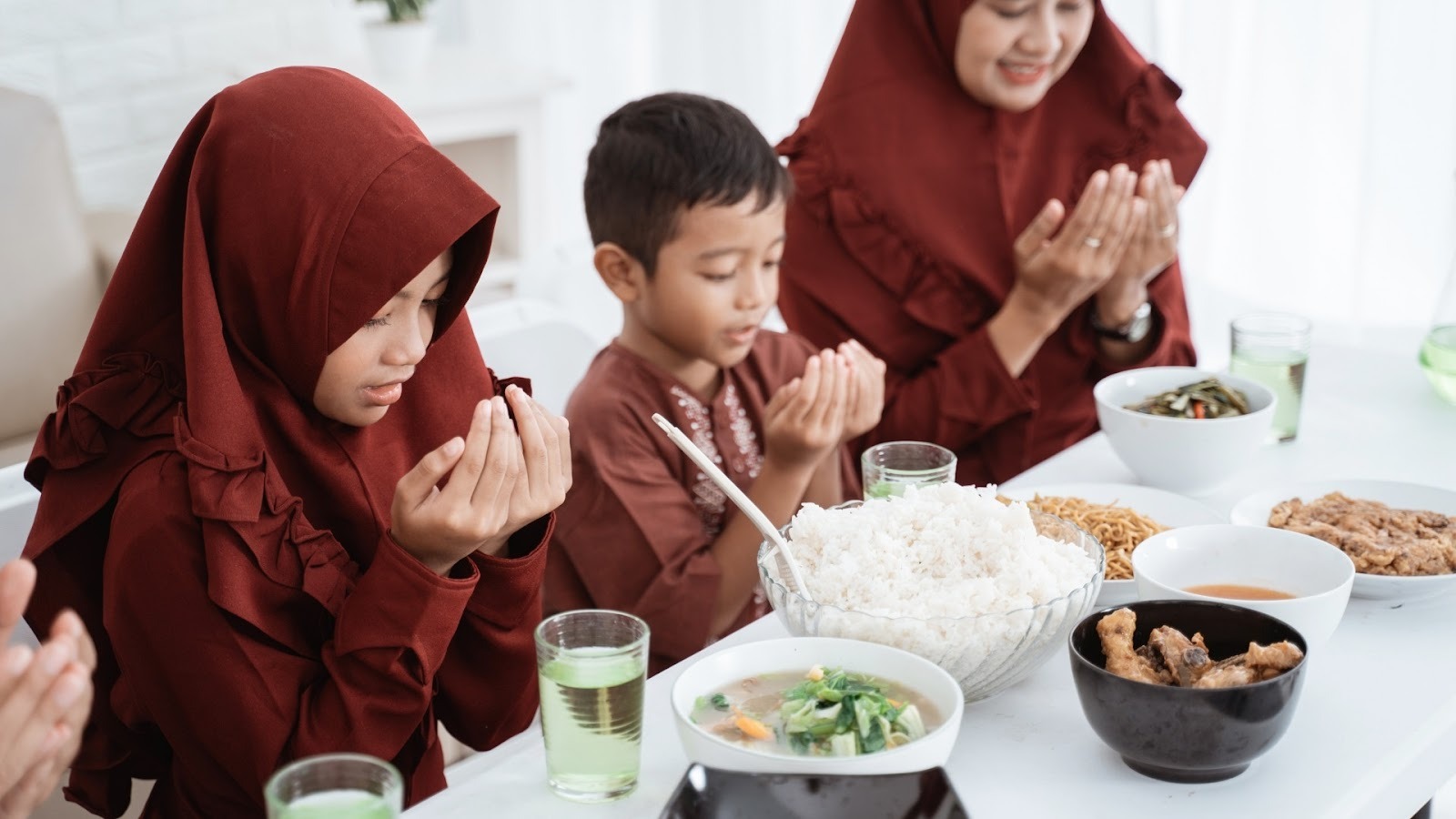
Eid al-Fitr in Dubai follows a familiar, quietly observed flow, shaped by faith and family rather than spectacle. The day begins early, with Salat al-Eid prayers held at mosques and open musallas, where worshippers gather before sunrise, dressed in fresh thobes and abayas, and remain for the khutbah that follows.
Before prayers, Zakat al-Fitr is given, often through mosques or local charities, so the wider community can share in the day. As morning settles, homes begin to open.
Visits are exchanged, Eidiya is passed to children, and tables fill with dishes prepared for the first daylight meal after Ramadan, from biryani and lamb mandi to sweets like ma’amoul and luqaimat.
As the day moves from home visits to shared meals outside, some families choose a table that carries more ceremony. At DOORS Dubai, the Presidential Table offers a 17-course set menu and personal butler service, turning the Eid meal into a moment that feels distinctly set apart.
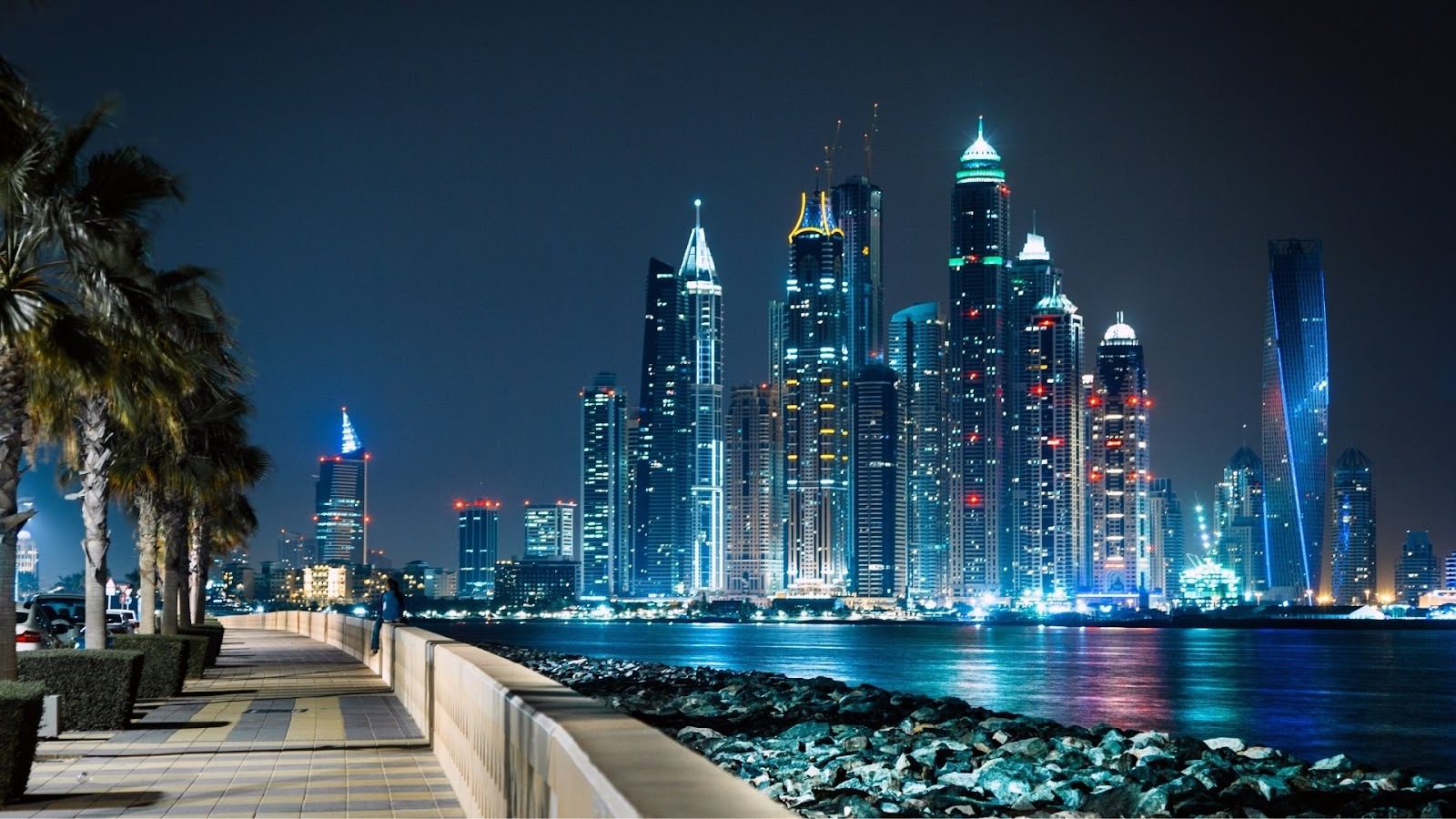
Eid al-Fitr changes the way Dubai functions for several days, with longer operating hours, heavier traffic, and higher visitor numbers across major attractions. Understanding these shifts helps visitors plan their time better and avoid unnecessary delays.
Transport schedules, venue timings, and rules adjust accordingly.
What helps during Eid in Dubai:
Also Read: Eid Al Fitr Moments in Dubai Made to Remember

Eid shopping in Dubai is less about impulse and more about preparation. With Dubai Shopping Festival energy still shaping retail habits earlier in the year, Eid extends that momentum into March.
It turns gifting into a considered ritual tied to family visits, generosity, and tradition rather than last-minute buying.
How the ritual of gifting plays out during Eid in Dubai:
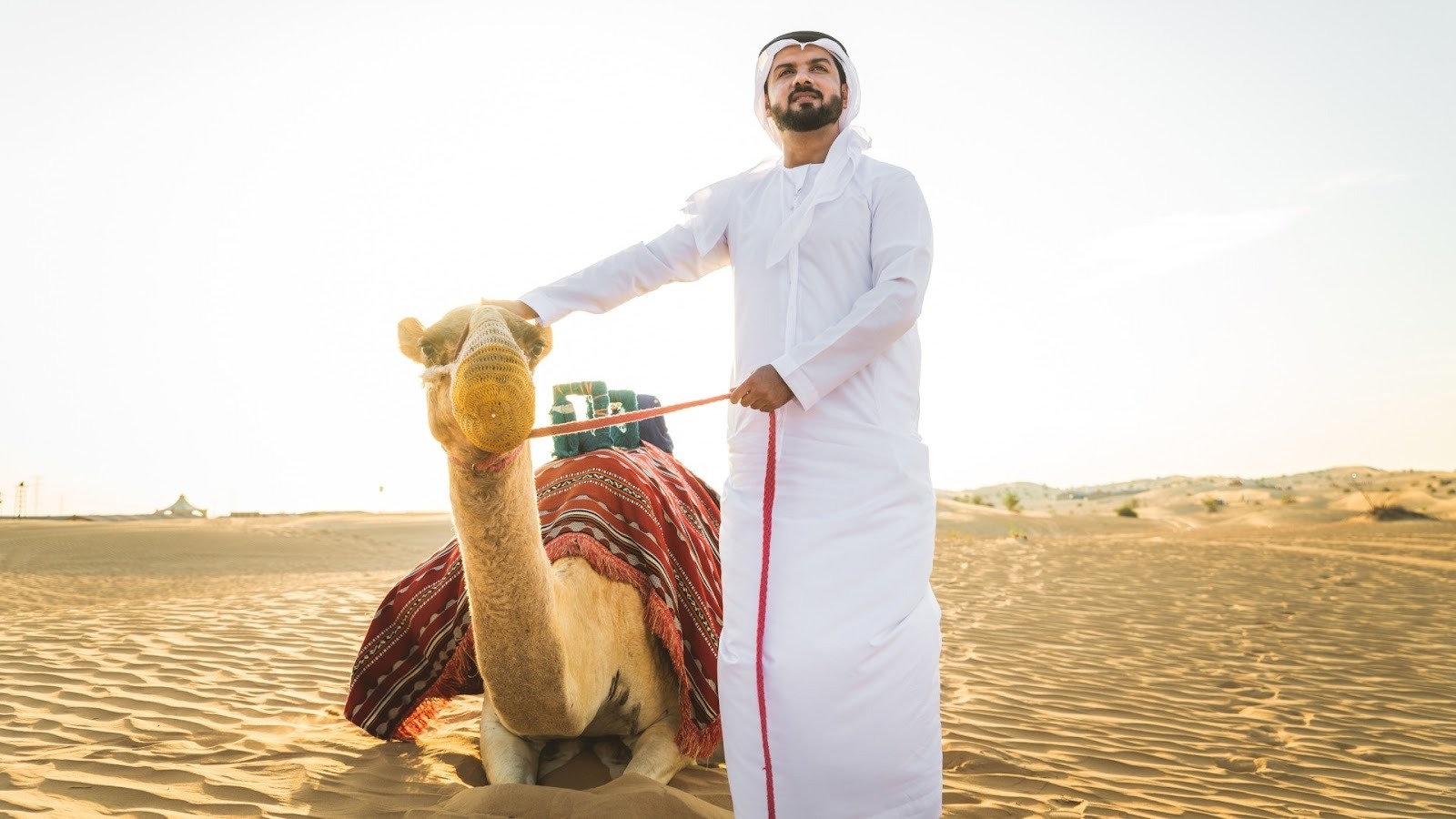
During Eid, Dubai brings cultural traditions into open spaces. Emirati music, folk dances like yowla, and live performances appear across malls and heritage venues, making culture part of everyday movement rather than a separate event.
Concerts, puppet shows, and family entertainment add a contemporary layer, especially at large arenas and theme parks.
Beyond the city, desert camps and resorts offer a different pace. Henna, camel rides, and cultural dinners sit alongside Emirati dishes such as harees, machboos, and luqaimat.
This gives visitors a chance to experience Eid through food, landscape, and shared rituals rather than scheduled shows alone.
For a wider view of how moments like these fit into the city’s calendar, Festivals of Dubai traces the events that quietly shape Dubai’s year.
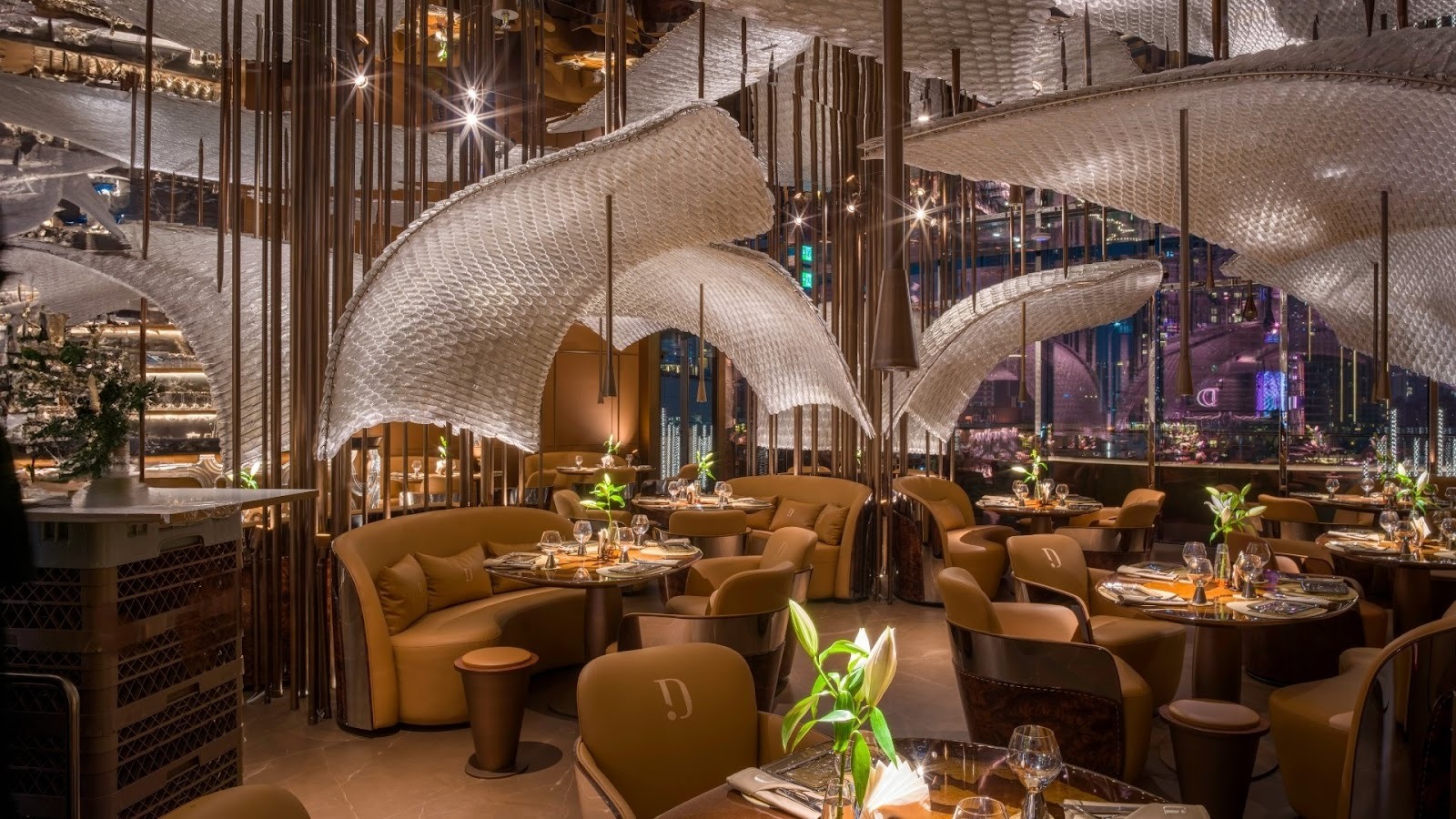
Eid al-Fitr in Dubai moves from prayer to gathering, from movement to pause. After days shaped by visits, celebrations, and shared rituals, the meal becomes the moment where everything settles.
At DOORS Dubai, that final chapter unfolds naturally. With terrace views over the Burj Khalifa and Dubai Fountain, a menu shaped by internationally acclaimed Chef Kemal Çeylan’s modern approach to Emirati flavours. Service here is designed for groups rather than turnover; Eid closes here at an unhurried pace.
When the day has been full, it helps to end it somewhere the table is already waiting.
Eid al-Fitr in Dubai is expected to fall around Friday, March 20, 2026, but the exact date depends on the official moon sighting for Shawwal and is confirmed a day in advance.
Public holidays typically last 3 to 4 days, starting from the evening before Eid and extending through the weekend, depending on whether Ramadan completes 29 or 30 days.
Yes. Most restaurants, malls, and attractions remain open, often with extended hours, especially in the evenings. Popular dining spots and terrace tables tend to fill up quickly.
Yes. Expect heavy traffic near mosques in the morning, crowded malls and waterfronts in the evening, and higher demand for public transport. Using the RTA S’hail app helps track live updates.
Many families dine at home earlier in the day and step out later for celebratory meals. Restaurants like DOORS Dubai are popular for Eid gatherings due to group-friendly service, views, and curated festive menus.
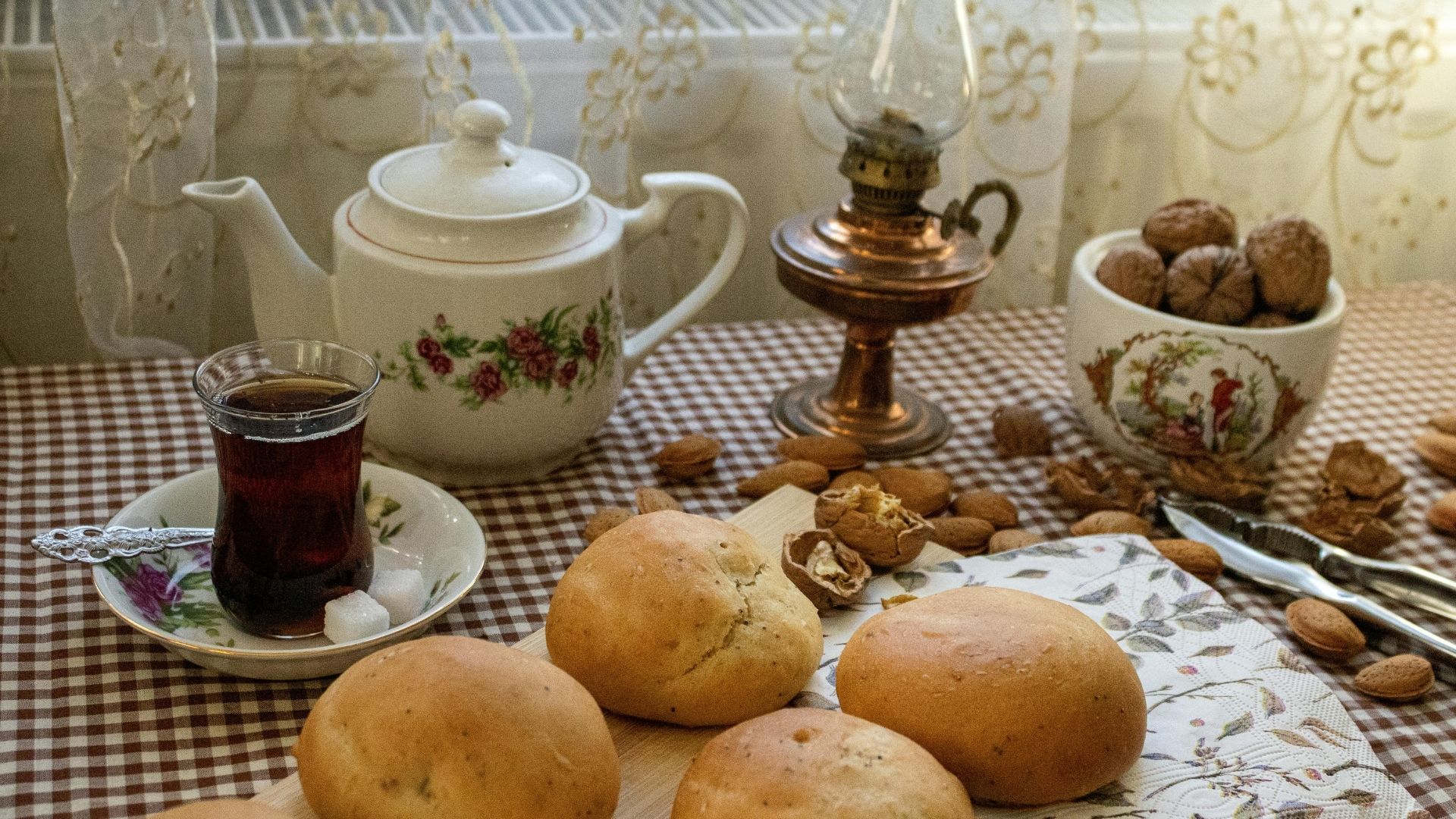
Discover the best afternoon tea Dubai has to offer from luxury hotels to waterfront lounges with elegant menus, skyline views, and refined bites.
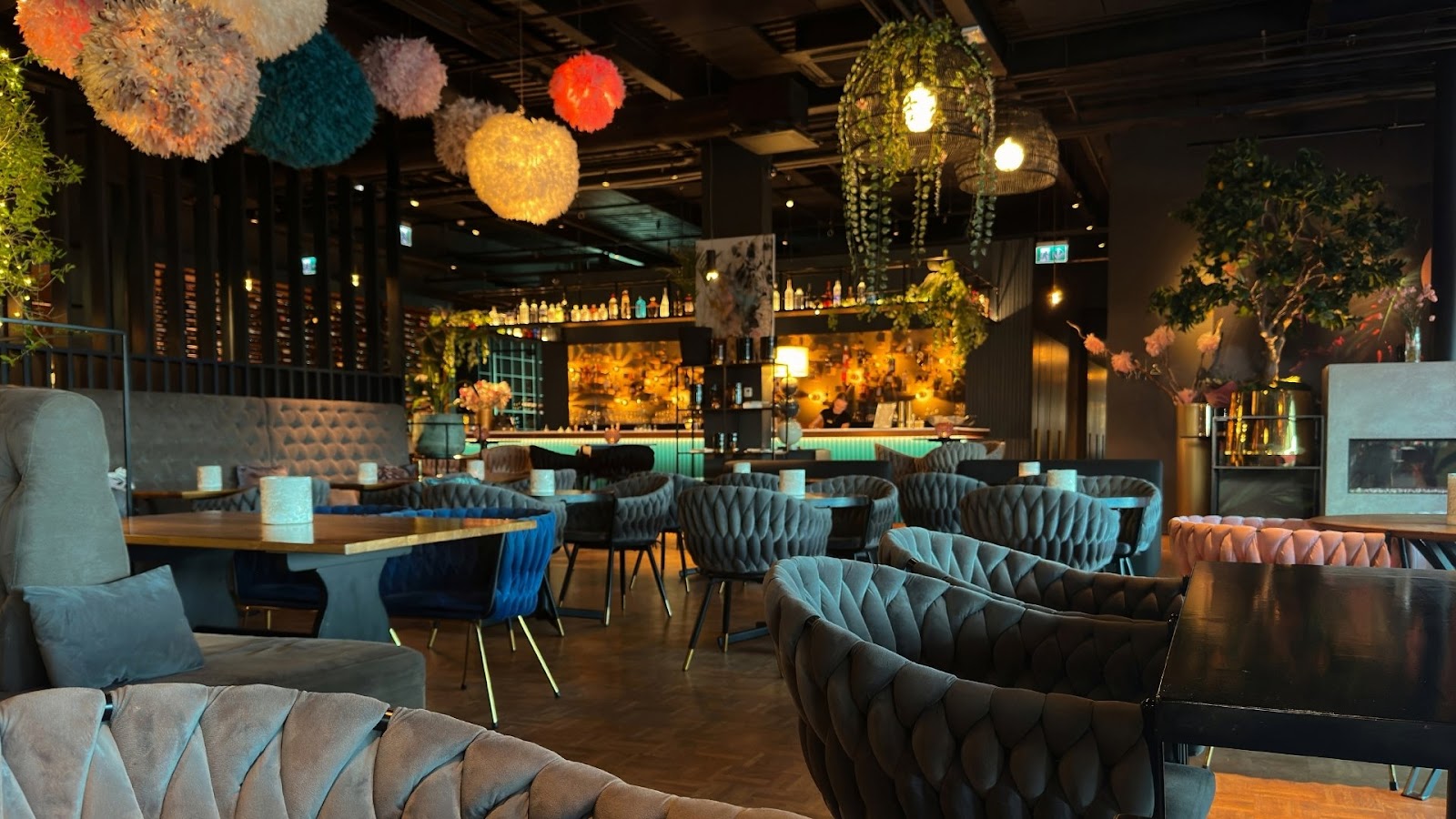
Explore this curated guide to the best fine dining restaurants in Dubai focused on setting service and seasonal dining experiences!


.svg)